Species Explorer
Browse and search species from the IUCN Red List and GBIF.
54,666 species
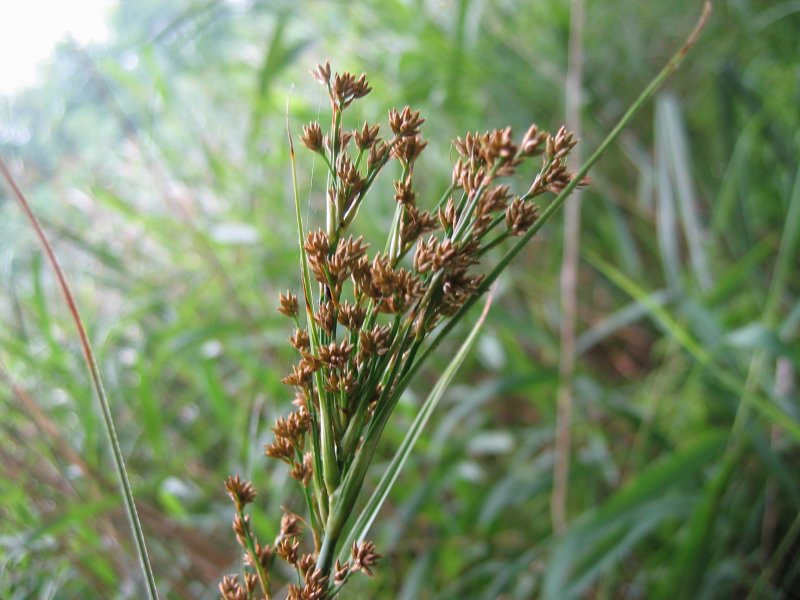
Great Fen-sedge
ENCladium mariscus
Great Fen-sedge is declining primarily due to habitat loss and degradation of wetland ecosystems through drainage, agricultural conversion, and water management practices. Climate change and altered hydrological regimes further threaten the specific water level conditions this species requires for survival.

Great Fox-spider
VUAlopecosa fabrilis

Great Grey Owl
VUStrix nebulosa

Great Horsetail
CREquisetum telmateia
Great Horsetail faces severe population declines due to widespread habitat destruction and degradation of its specialized wetland environments. Urban development, agricultural expansion, and water management practices have dramatically reduced suitable habitat, while climate change threatens the consistent moisture conditions this species requires for survival.

Great Land Crab
VUCardisoma guanhumi
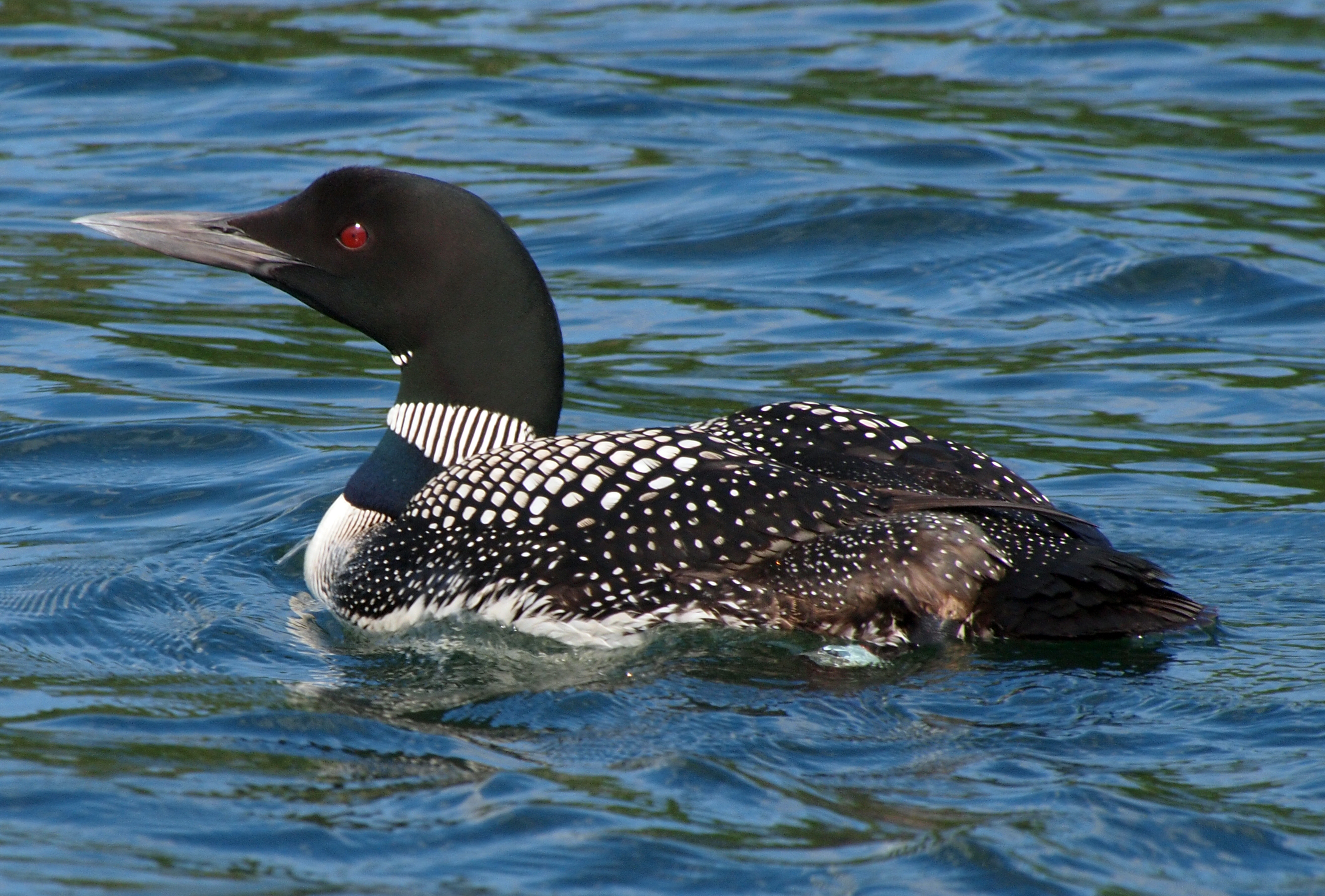
Great Northern Loon
ENGavia immer
Great Northern Loons face significant population declines primarily due to habitat loss from shoreline development and water level fluctuations that destroy nesting sites. Climate change is altering lake ecosystems and prey availability, while pollution from mercury, lead fishing tackle, and oil spills causes direct mortality and reproductive failure.

Great Reed Warbler
CRAcrocephalus arundinaceus
The Great Reed Warbler faces severe population declines primarily due to widespread destruction and degradation of wetland habitats across its breeding and wintering ranges. Agricultural intensification, urban development, and water management practices have eliminated crucial reed bed ecosystems, while climate change is altering precipitation patterns and water levels in remaining suitable habitats.

Great Sundew
ENDrosera anglica
Great Sundew populations are declining primarily due to habitat loss from wetland drainage, peat bog destruction, and agricultural conversion of its specialized bog habitats. Climate change and altered hydrology further threaten the specific water chemistry and moisture conditions this carnivorous plant requires to survive.

Great Wood-rush
VULuzula sylvatica

Great Yellow Humble-bee
CRBombus distinguendus
The Great Yellow Humble-bee has experienced severe population declines primarily due to habitat loss and degradation of flower-rich grasslands and coastal machair systems. Agricultural intensification, including increased use of pesticides and conversion of traditional hay meadows to intensive farming, has eliminated much of the species' foraging habitat. Climate change and coastal erosion further threaten the remaining populations in their restricted range.

Greater Adjutant
ENLeptoptilos dubius
The Greater Adjutant has experienced severe population declines primarily due to widespread habitat loss from wetland drainage, deforestation, and urban development across its range in South and Southeast Asia. Additional pressures include human disturbance at nesting and feeding sites, pollution of aquatic ecosystems, and direct persecution due to cultural taboos and conflicts with human activities.

Greater Ani
VUCrotophaga major

Greater Black-backed Gull
VULarus marinus

Greater Butterfly-orchid
ENPlatanthera chlorantha
The Greater Butterfly-orchid faces severe decline primarily due to habitat loss from agricultural intensification, urban development, and changes in traditional land management practices. The species is particularly vulnerable because it depends on specific mycorrhizal fungi for germination and growth, making it sensitive to soil disturbance and chemical inputs.
Greater Featherwort
VUPlagiochila asplenioides
greater flowerbud coral
CRAnthothela grandiflora
The greater flowerbud coral (Anthothela grandiflora) faces severe threats from ocean warming and acidification, which disrupt its calcium carbonate skeleton formation and cause bleaching events. Coastal development, pollution, and destructive fishing practices further degrade its deep-sea habitat, while its extremely limited distribution makes it particularly vulnerable to localized disturbances.
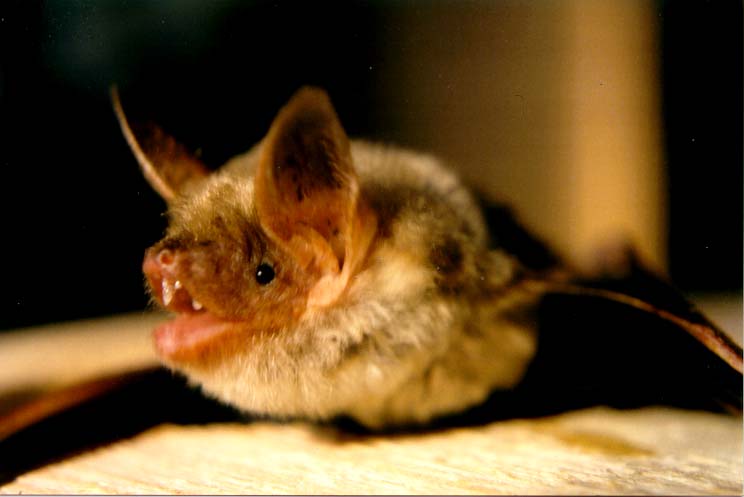
Greater Mouse-eared Bat
ENMyotis myotis
The Greater Mouse-eared Bat faces severe population declines primarily due to habitat loss from agricultural intensification and urban development, which eliminates foraging areas and roost sites. Disturbance and destruction of critical roosting sites in caves, buildings, and other structures, combined with pesticide use that reduces insect prey availability, have contributed to significant range contractions across Europe.

Greater Pond-sedge
ENCarex riparia
Greater Pond-sedge (Carex riparia) is declining primarily due to habitat loss and degradation of wetland ecosystems through drainage, agricultural conversion, and urban development. Water pollution from agricultural runoff and changes in hydrology from river management further threaten remaining populations.

greater scaup
VUAythya marila

Greater Tussock-sedge
VUCarex paniculata
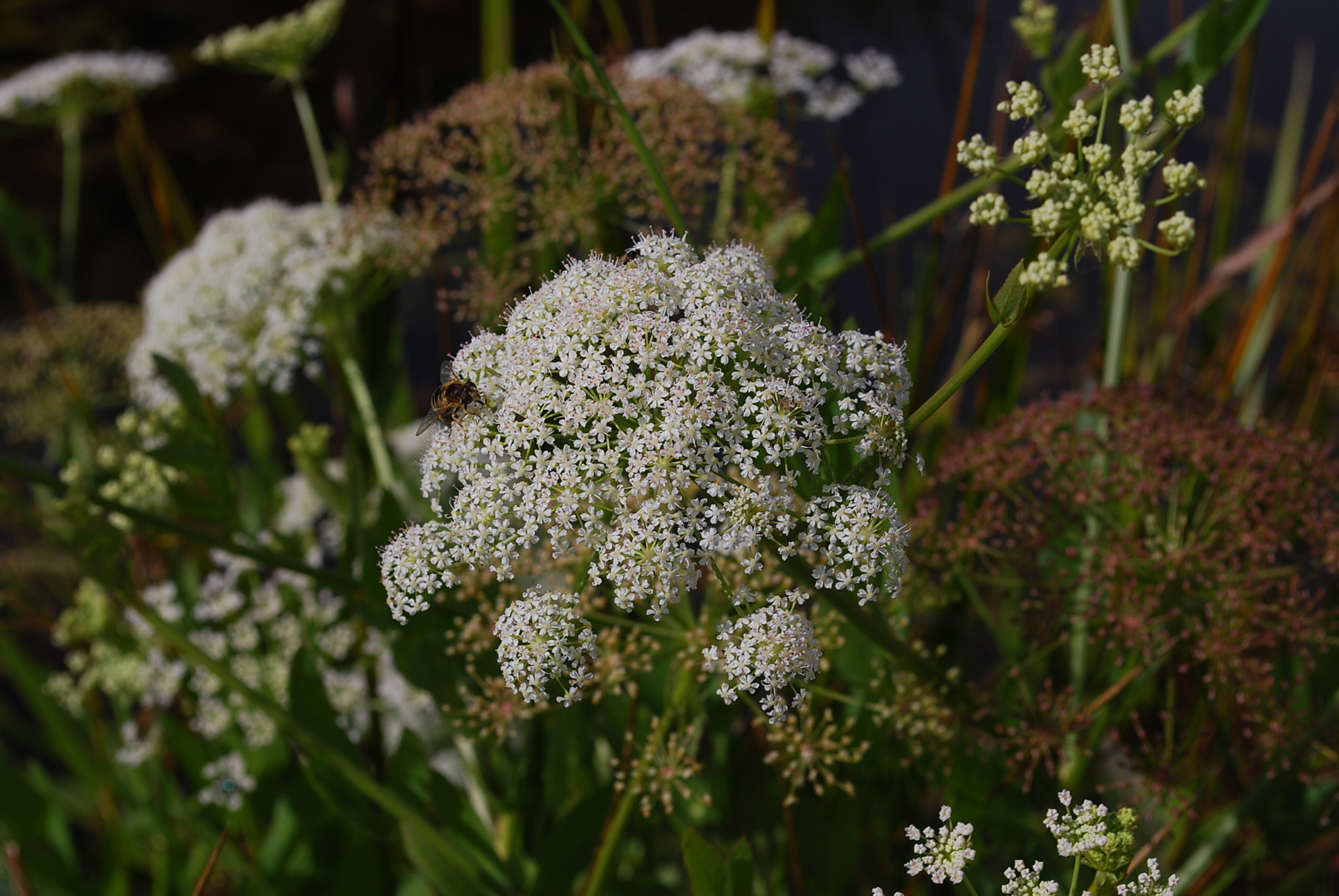
Greater Water-parsnip
VUSium latifolium

greater yellow-rattle
CRRhinanthus alectorolophus
Greater yellow-rattle faces severe decline primarily due to agricultural intensification and habitat loss of traditional hay meadows and semi-natural grasslands. The species depends on specific grassland management practices that have largely disappeared with modern farming methods, leading to fragmentation of suitable habitat across its European range.

Grecian Grayling
VUPseudochazara graeca
gredelinspindling
VUCortinarius ionodactylus
Greedy Olalla Rat
VUOlallamys edax
Greek barbel
ENLuciobarbus graecus
The Greek barbel faces severe population declines primarily due to habitat degradation from dam construction, water abstraction, and pollution in its limited freshwater range. Agricultural runoff, urban development, and river channelization have further compromised water quality and natural flow regimes essential for this endemic species' survival.
Green Broom Moss
ENDicranum viride
Green Broom Moss is declining primarily due to habitat loss and degradation from deforestation, agricultural expansion, and urban development that destroys the old-growth forests it requires. Air pollution and climate change further threaten this species by altering the specific microclimate conditions necessary for its survival on tree bark.

Green Earthtongue
CRMicroglossum viride
Green Earthtongue (Microglossum viride) is critically endangered primarily due to habitat loss and degradation of its specialized grassland ecosystems. The species requires very specific soil conditions and plant communities that are increasingly rare due to agricultural intensification, urban development, and changes in land management practices.

Green Hairstreak
VUCallophrys rubi

green sandpiper
ENTringa ochropus
Habitat loss through wetland drainage, agricultural intensification, and urban development poses severe challenges to green sandpiper populations. Climate change is altering precipitation patterns and water levels in critical breeding and stopover sites, while pollution from agricultural runoff degrades the quality of remaining wetland habitats.
![Green Silver-spangled Shark [moth]](https://upload.wikimedia.org/wikipedia/commons/3/3d/Cucullia_argentea.jpg)
Green Silver-spangled Shark [moth]
CRCucullia argentea
The Green Silver-spangled Shark moth (Cucullia argentea) faces severe population decline primarily due to habitat loss and degradation of its specialized coastal dune and saltmarsh ecosystems. Climate change and sea level rise pose additional threats to its remaining fragmented populations along European coastlines.
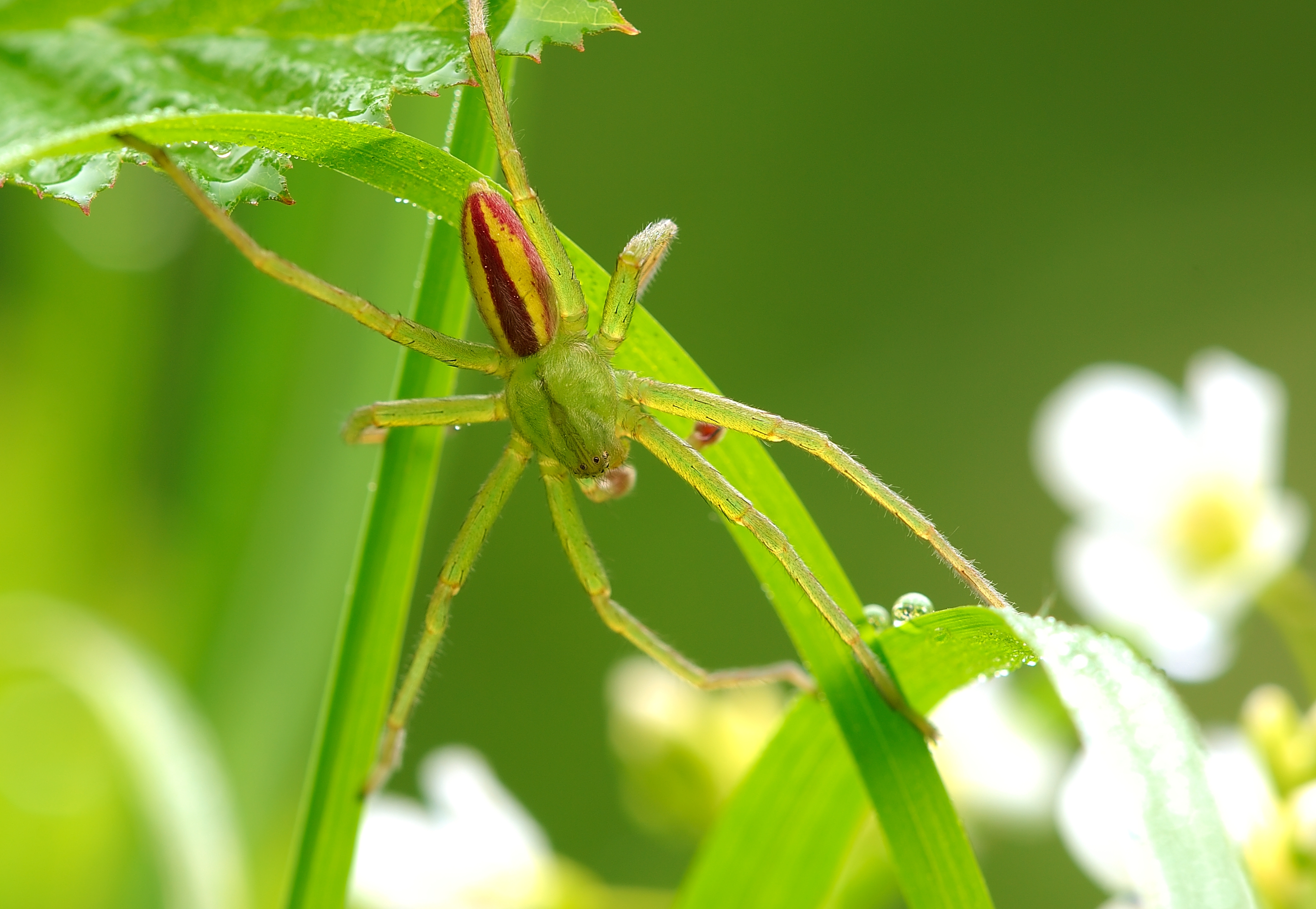
Green Spider
CRMicrommata virescens
The Green Spider (Micrommata virescens) faces significant population declines primarily due to habitat loss and fragmentation of its preferred woodland and heathland environments. Agricultural intensification, urbanization, and changes in land management practices have reduced the availability of suitable hunting grounds and breeding sites. Climate change may also be affecting the species' distribution and the availability of its arthropod prey.

Green Spleenwort
VUAsplenium viride

Green-naped Tanager
VUTangara fucosa

Green-underside Blue
VUGlaucopsyche alexis

Green-winged Orchid
ENAnacamptis morio
The Green-winged Orchid faces severe population declines primarily due to habitat loss from agricultural intensification and urban development of its grassland habitats. Changes in traditional land management practices, particularly the abandonment of extensive grazing and hay-making, have led to scrubland encroachment and loss of suitable open conditions.

greenbottle blue tarantula
ENChromatopelma cyaneopubescens
The greenbottle blue tarantula faces severe population decline primarily due to habitat destruction from urban development and agricultural expansion in its extremely limited range on the Paraguaná Peninsula of Venezuela. Over-collection for the international pet trade has further reduced wild populations of this highly sought-after species.

Greenflush Fibrecap
VUInocybe corydalina

Greenfoot Tooth
CRHydnellum glaucopus
Hydnellum glaucopus faces severe decline primarily due to habitat loss from deforestation and land conversion, which destroys the old-growth forests it requires for survival. Air pollution, particularly nitrogen deposition, alters soil chemistry and disrupts the delicate mycorrhizal relationships essential for this fungus. Climate change further threatens the species by altering temperature and moisture conditions in its specialized forest habitats.
Greenish Mottled-disk Lichen
CRTrapeliopsis viridescens
Trapeliopsis viridescens faces severe threats from habitat loss due to deforestation and land conversion, particularly affecting the old-growth forests where this lichen species typically occurs. Air pollution and climate change further compound these pressures by altering the specific microclimate conditions and air quality that this sensitive lichen requires for survival.

Greenweed Flat-body
ENAgonopterix atomella
The Greenweed Flat-body (Agonopterix atomella) is declining primarily due to habitat loss and degradation of its specialized host plant communities. Agricultural intensification, urban development, and changes in land management practices have reduced the availability of suitable breeding sites where its larval host plants occur.
Greenweed Groundling
ENMirificarma lentiginosella
The Greenweed Groundling is declining primarily due to habitat loss from agricultural intensification and urban development in its specialized coastal and heathland environments. Climate change and invasive plant species are additionally threatening the specific plant communities this moth depends on for reproduction and survival.
grenmarsvæve
ENPilosella dimorphoides
Pilosella dimorphoides faces severe population decline primarily due to habitat loss from agricultural expansion and urban development in its limited range. Climate change and invasive species competition further threaten the remaining fragmented populations of this endemic hawkweed species.
gressmattevever
ENSyedra gracilis
Habitat fragmentation from agricultural expansion and urban development has severely reduced available territory for gressmattevever populations. Climate change is altering the timing of fruit production cycles, disrupting the species' seasonal feeding patterns and reproductive success.

Grey Asian Grayling
VUPseudochazara geyeri

Grey Bush Cricket
ENPlatycleis albopunctata
The Grey Bush Cricket faces severe population declines primarily due to habitat loss and fragmentation from agricultural intensification and urban development in its limited Mediterranean range. Climate change poses an additional threat by altering the specific microhabitat conditions this species requires for survival and reproduction.

Grey Carpet
CRLithostege griseata
The Grey Carpet (Lithostege griseata) is critically endangered primarily due to severe habitat loss and fragmentation of its specialized coastal dune and grassland ecosystems. Climate change and sea level rise pose additional threats to its remaining coastal habitats, while the species' extremely limited range and small population size make it highly vulnerable to extinction.

Grey Dwarf
ENElachista bedellella
The Grey Dwarf (Elachista bedellella) is declining primarily due to habitat loss and degradation of its specialized grassland environments. Agricultural intensification, urban development, and changes in land management practices have reduced the availability of suitable breeding and feeding sites for this small moth species.

Grey Grass-veneer
ENAgriphila poliellus
The Grey Grass-veneer is primarily threatened by habitat loss and degradation due to agricultural intensification, urban development, and changes in grassland management practices. Climate change and the loss of traditional extensive grazing systems have further reduced the availability of suitable habitat for this specialized moth species.

Grey Imperial-pigeon
VUDucula pickeringii