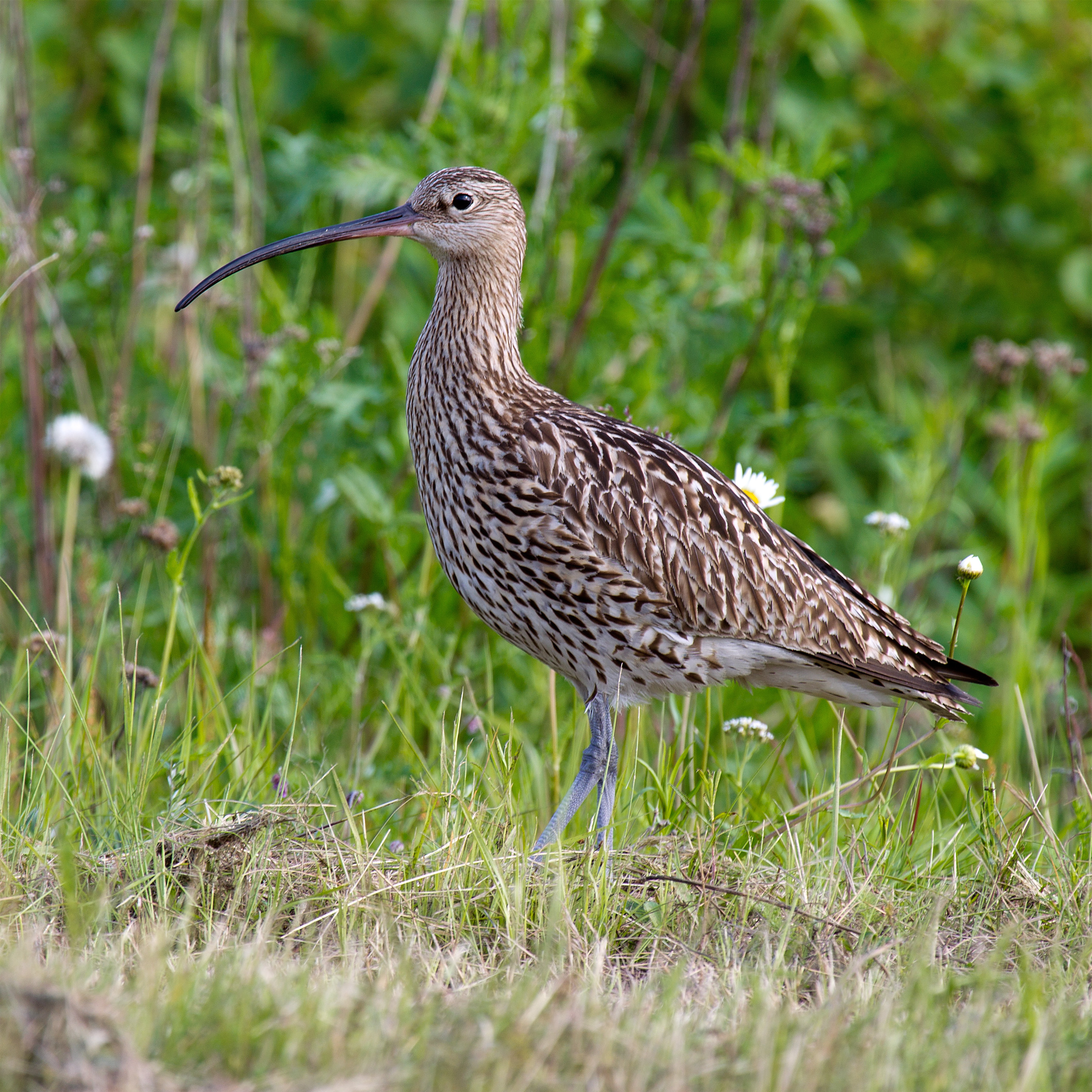
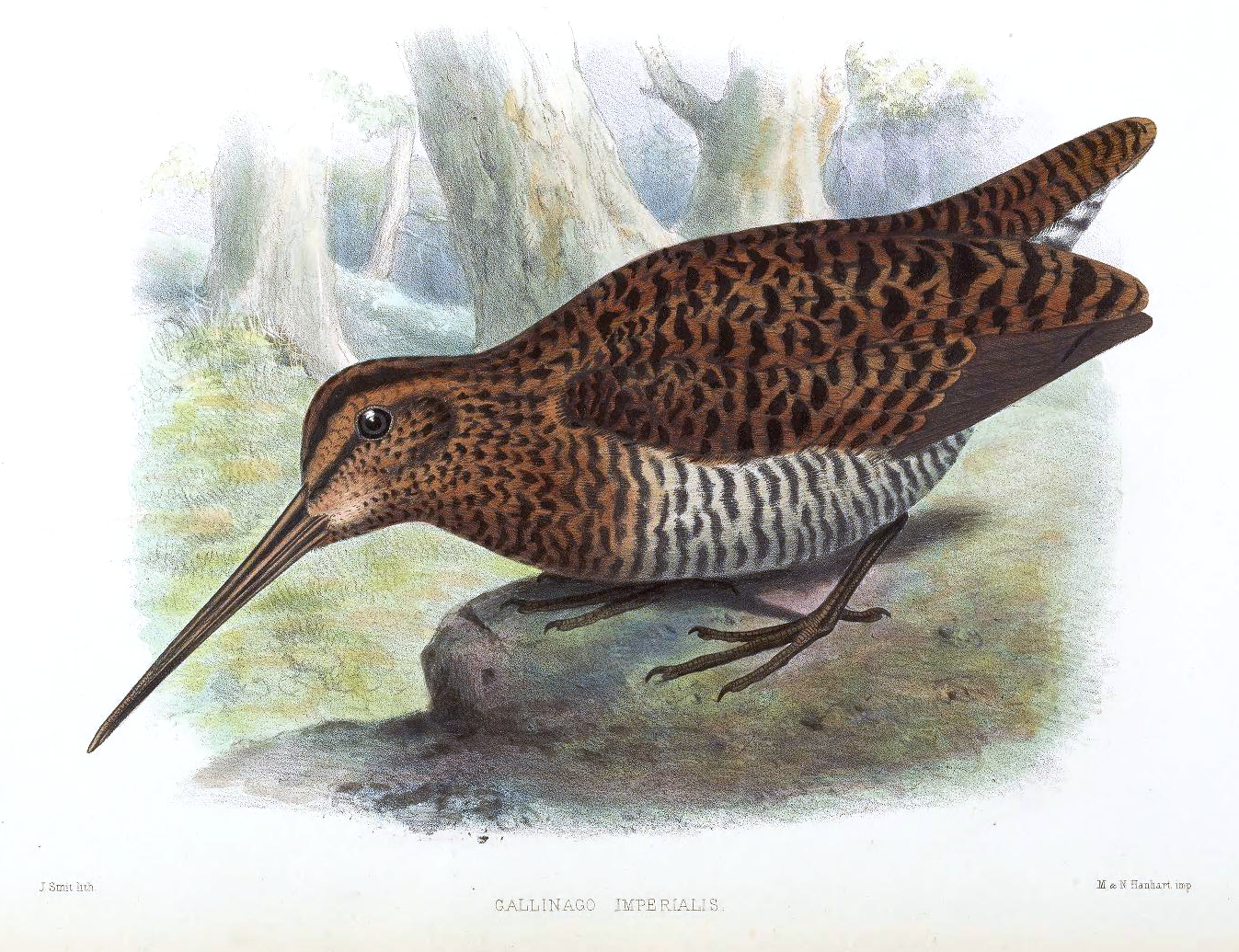
green sandpiper
Tringa ochropus
The green sandpiper is a medium-sized wading bird with distinctive dark olive-brown upperparts contrasting sharply with bright white underparts and rump. This solitary shorebird plays a crucial ecological role as both predator of aquatic invertebrates and prey for larger raptors, while serving as an indicator species for wetland ecosystem health.
Photo: Wikimedia Commons (CC) via https://en.wikipedia.org/wiki/Green_sandpiper
Taxonomy & Classification
Kingdom
Animalia
Phylum
Chordata
Class
Aves
Order
Charadriiformes
Family
Scolopacidae
Genus
Tringa
green sandpiper belongs to the family Scolopacidae, order Charadriiformes, within the Aves class.
Species Profile
The green sandpiper is a medium-sized wading bird with distinctive dark olive-brown upperparts contrasting sharply with bright white underparts and rump. This solitary shorebird plays a crucial ecological role as both predator of aquatic invertebrates and prey for larger raptors, while serving as an indicator species for wetland ecosystem health.
Habitat loss through wetland drainage, agricultural intensification, and urban development poses severe challenges to green sandpiper populations. Climate change is altering precipitation patterns and water levels in critical breeding and stopover sites, while pollution from agricultural runoff degrades the quality of remaining wetland habitats.
Key Facts
Habitat & Distribution
Green sandpipers inhabit shallow freshwater environments including forest pools, marshy clearings, small streams, and the muddy edges of ponds and lakes. During migration and winter, they frequent sewage treatment ponds, flooded fields, and coastal lagoons with abundant invertebrate prey.
Threats
IUCN Red List: Endangered
Habitat loss through wetland drainage, agricultural intensification, and urban development poses severe challenges to green sandpiper populations. Climate change is altering precipitation patterns and water levels in critical breeding and stopover sites, while pollution from agricultural runoff degrades the quality of remaining wetland habitats.
Agricultural intensification in breeding areas
Climate change impacts on migration timing
Wetland habitat loss and degradation
National vs Global Threat Status
How this species is assessed at the national level compared to its IUCN global status (EN).
| Country | National Status | Global Status | Comparison |
|---|---|---|---|
| EU | LCLeast Concern | ENEndangered | Lower local risk |
| EU | LCLeast Concern | ENEndangered | Lower local risk |
National Red List data sourced from the National Red List Project (nationalredlist.org, ZSL) and country-specific Red List authorities.
Community Sightings
Report a sightingNo community sightings yet. Be the first to report!
Sources & Attribution
How to Cite
IUCN: IUCN (2025). The IUCN Red List of Threatened Species. Version 2025-1. Available at: https://www.iucnredlist.org. doi:10.2305/IUCN.UK.2025-1.RLTS
GBIF: GBIF.org (2025). GBIF Home Page. Available at: https://www.gbif.org
National Red Lists: ZSL (2025). National Red List. Zoological Society of London. Available at: https://www.nationalredlist.org
This page: SpeciesRadar (2025). green sandpiper (Tringa ochropus). SpeciesRadar: Intelligence for Earth's Biodiversity. Available at: https://speciesradar.org/species/green-sandpiper