Species Explorer
Browse and search species from the IUCN Red List and GBIF.
54,666 species
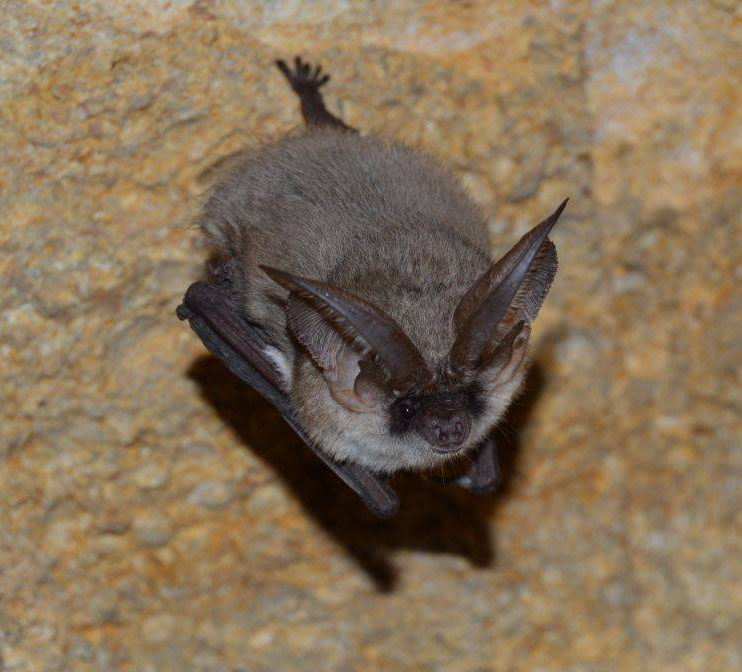
Grey Long-eared Bat
CRPlecotus austriacus
The Grey Long-eared Bat faces severe population declines primarily due to habitat loss from agricultural intensification and urban development, which eliminates crucial foraging areas and roosting sites. Climate change is altering insect prey availability and distribution patterns, while disturbance to roost sites in buildings and caves further threatens remaining populations.

Grey Mouse-ear
VUCerastium brachypetalum
Grey Neb
ENPsamathocrita osseella
Coastal development and rising sea levels are rapidly destroying the Grey Neb's specialized dune habitats, while artificial lighting from beachfront properties disrupts their nocturnal mating behaviors. Climate change is also shifting the timing of their emergence, creating mismatches with their host plants' flowering periods.

Grey Scalloped Bar
ENDyscia fagaria
The Grey Scalloped Bar (Dyscia fagaria) is declining primarily due to habitat loss and degradation of its specialized woodland environments. Climate change and increased frequency of extreme weather events are also contributing to population declines by affecting the availability of its host plants and suitable breeding conditions.

grey seal
VUHalichoerus grypus

Grey Tooth
ENPhellodon melaleucus
Grey Tooth (Phellodon melaleucus) is declining primarily due to habitat loss from deforestation, agricultural expansion, and urban development that destroys the old-growth and mature forest ecosystems this fungus depends on. Climate change and air pollution are additional stressors affecting the delicate ecological balance required for this species' survival.

Grey Wagtail
VUMotacilla cinerea

Grey-banded Munia
VULonchura vana

Grey-breasted Flycatcher
VULathrotriccus griseipectus

Grey-breasted Mountain Toucan
VUAndigena hypoglauca

Grey-headed Antbird
ENMyrmeciza griseiceps
The Grey-headed Antbird faces severe population declines primarily due to extensive deforestation and habitat fragmentation throughout its limited range in the Chocó bioregion. Agricultural expansion, logging, and human settlement development have dramatically reduced and isolated remaining forest patches, making populations increasingly vulnerable to local extinctions.
Grey-patched Mining Bee
VUAndrena nitida
griffelsavblomfluga
VUCeriana conopsoides

Griffith's oedipodium moss
VUOedipodium griffithianum

Grijze populierenvouwmot
VUPhyllonorycter populifoliella
Grimmia Dry Rock Moss
CRGrimmia plagiopodia
Grimmia plagiopodia faces severe threats from habitat destruction and degradation of its specialized dry rock environments. Climate change and human activities such as quarrying, construction, and recreational activities are destroying the limited rocky outcrops and cliff faces where this moss species can survive. The species' extremely restricted range and specific habitat requirements make it particularly vulnerable to any environmental changes.
Grindiger Rötling
VUEntoloma scabiosum

Grizzled Skipper
CRPyrgus malvae
The Grizzled Skipper faces severe population declines primarily due to habitat loss and fragmentation from agricultural intensification and urban development. Changes in land management practices, particularly the loss of traditional grazing regimes and scrubland management, have eliminated crucial breeding habitats. Climate change is also emerging as a significant threat, altering the distribution and phenology of both the butterfly and its host plants.

Gro’s Manticores
ENMorunasaurus groi
Gro's Manticores face severe population declines primarily due to habitat destruction from agricultural expansion and urban development in their limited range. Mining activities and infrastructure development have further fragmented their already restricted habitat, while climate change threatens to alter the specific environmental conditions they require.

groene didea
CRDidea alneti
Didea alneti faces severe population decline primarily due to habitat loss from deforestation and agricultural expansion in its limited range. Climate change is altering the species' specialized ecosystem requirements, while invasive species compete for resources and disrupt native food webs.
groene spoorspin
ENCheiracanthium virescens
The groene spoorspin (Cheiracanthium virescens) is declining primarily due to habitat loss and fragmentation from agricultural intensification and urban development. Climate change and pesticide use in agricultural areas further threaten remaining populations of this specialized spider species.
grootbladig puntmos
VUCalliergon megalophyllum

grootoog-bollenzweefvlieg
VUEumerus ornatus
Großer Rettich-Dickfuß
VUCortinarius diosmus
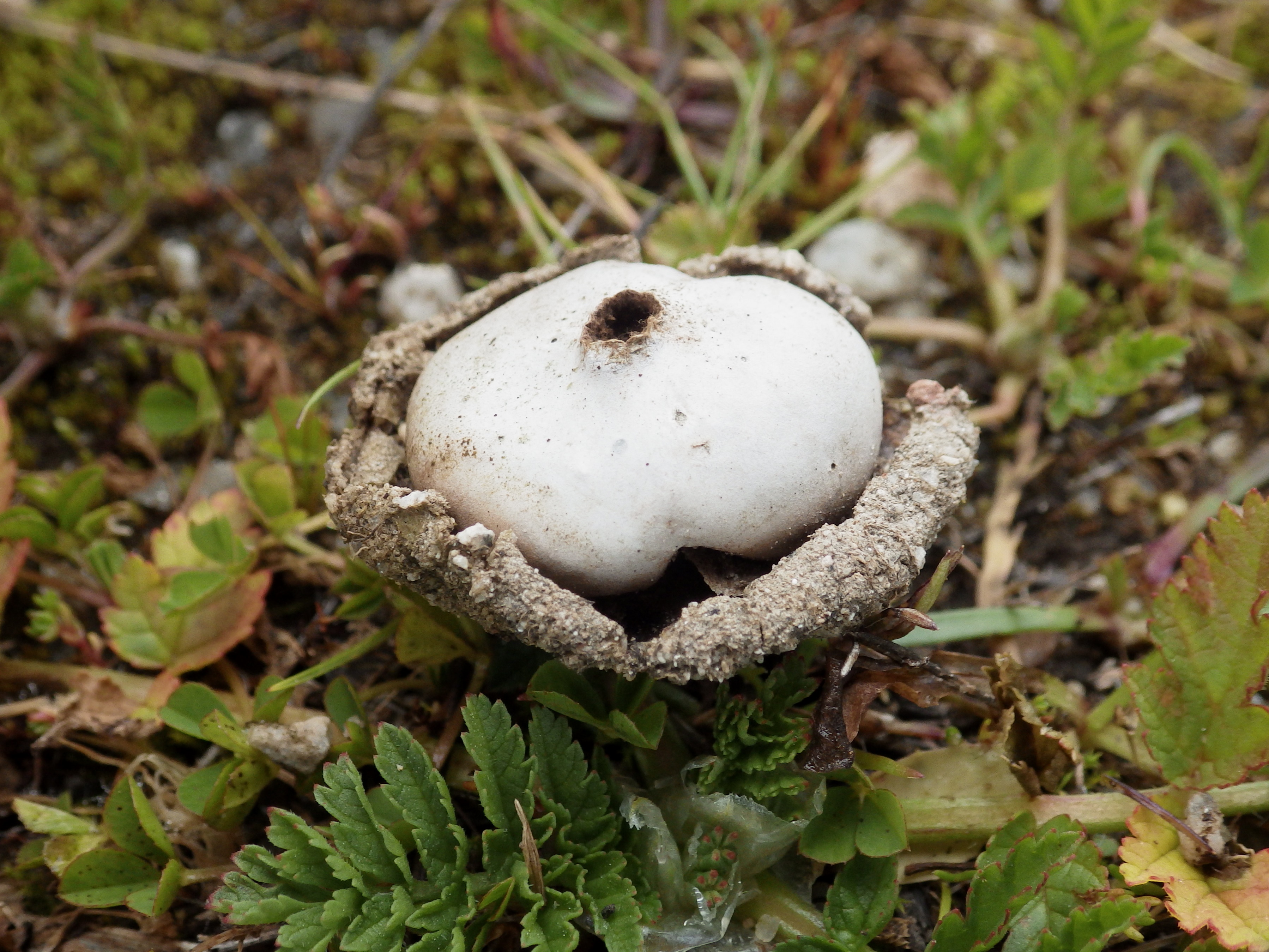
Großer Scheibenbovist
ENDisciseda bovista
Großer Scheibenbovist (Disciseda bovista) is declining primarily due to habitat loss and degradation of its specialized dry grassland environments. Agricultural intensification, urban development, and changes in land management practices have significantly reduced the availability of suitable sandy, nutrient-poor soils where this fungus can establish and reproduce.

Großsporige Morcheltrüffel
VUGautieria morchelliformis

grote gevlekte langlijf
CRSphaerophoria interrupta
Sphaerophoria interrupta, a hoverfly species, faces severe population declines primarily due to habitat loss and degradation of its specialized wetland and grassland environments. Agricultural intensification and urbanization have eliminated much of the species' required breeding and foraging habitat, while climate change may be altering the availability of suitable microhabitats.
grote heidehangmatspin
CRLinyphia tenuipalpis
The grote heidehangmatspin (Linyphia tenuipalpis) is critically endangered primarily due to severe habitat loss and fragmentation of its specialized heathland ecosystem. Agricultural intensification, urban development, and changes in traditional land management practices have dramatically reduced the availability of suitable heathland habitats. Climate change may further threaten the species by altering the microhabitat conditions required for its survival.

grote nachtwolfspin
VUTrochosa robusta
grote piraat
ENPirata piscatorius
Pirata piscatorius faces severe population declines primarily due to habitat loss from wetland drainage and agricultural conversion of its specialized aquatic environments. Water pollution and hydrological changes from human activities further degrade the quality of remaining suitable habitats.
grote spinneneter
VUEro tuberculata
Grote tandklauw
CRCalathus ambiguus
Calathus ambiguus, known as Grote tandklauw, is critically endangered primarily due to habitat loss and degradation of its specialized coastal dune and sandy grassland environments. The species faces severe population decline from urban development, agricultural intensification, and changes in land management practices that have eliminated or fragmented its remaining habitat patches.
grotthuvudspindel
VUWalckenaeria incisa

Ground Beetle
CRCalosoma sycophanta
Calosoma sycophanta, the forest caterpillar hunter, faces severe population declines primarily due to habitat loss from deforestation and forest fragmentation. The species is also threatened by pesticide use in agricultural and forestry practices, which reduces both the beetle populations directly and their prey species. Climate change and altered forest management practices further compound these pressures on remaining populations.
Ground Robber Frog
ENPristimantis insignitus
The Ground Robber Frog faces severe population declines primarily due to habitat destruction from agricultural expansion and urban development in its limited montane range. Climate change poses an additional threat by altering the specific temperature and moisture conditions required by this high-elevation specialist.
Grove Earwort
ENScapania nemorea
Grove Earwort (Scapania nemorea) is declining primarily due to habitat loss and degradation from deforestation, agricultural expansion, and urban development. The species is also threatened by air pollution, particularly nitrogen deposition, and climate change impacts that alter moisture regimes in its specialized woodland habitats.

Grove Sandwort
VUMoehringia lateriflora
grovstjälkig fibbla
CRHieracium pachycalamum
Hieracium pachycalamum is critically endangered due to its extremely limited distribution and small population size, making it highly vulnerable to habitat loss and environmental changes. The species faces ongoing threats from human activities and natural factors that could easily drive it to extinction given its restricted range.

Grundschwimmer
VULaccophilus minutus
Grüner Rauhkopf
VUCortinarius venetus
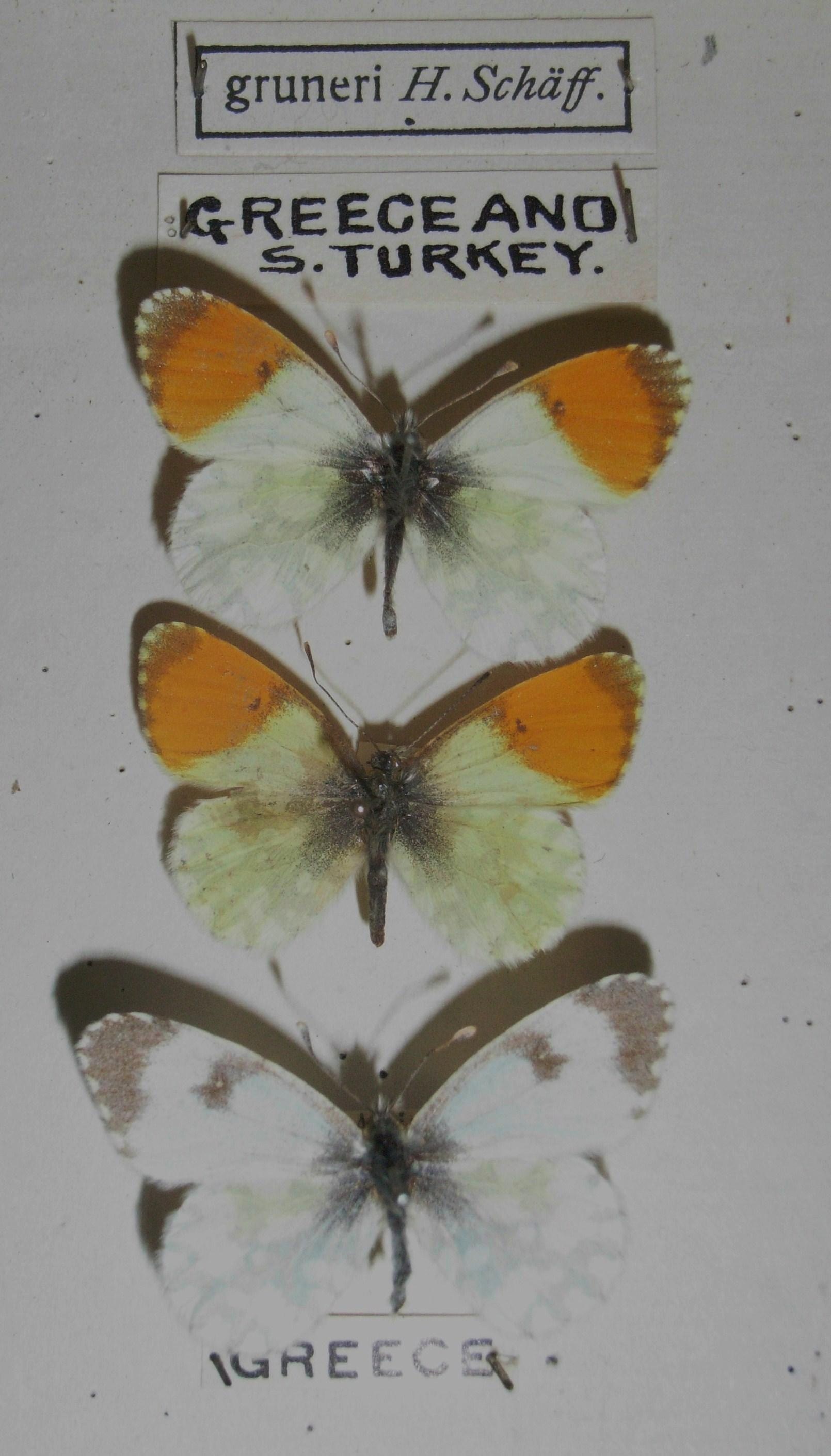
Gruner's Orange-tip
VUAnthocharis gruneri
Grynet kvistlav
VUHypogymnia farinacea
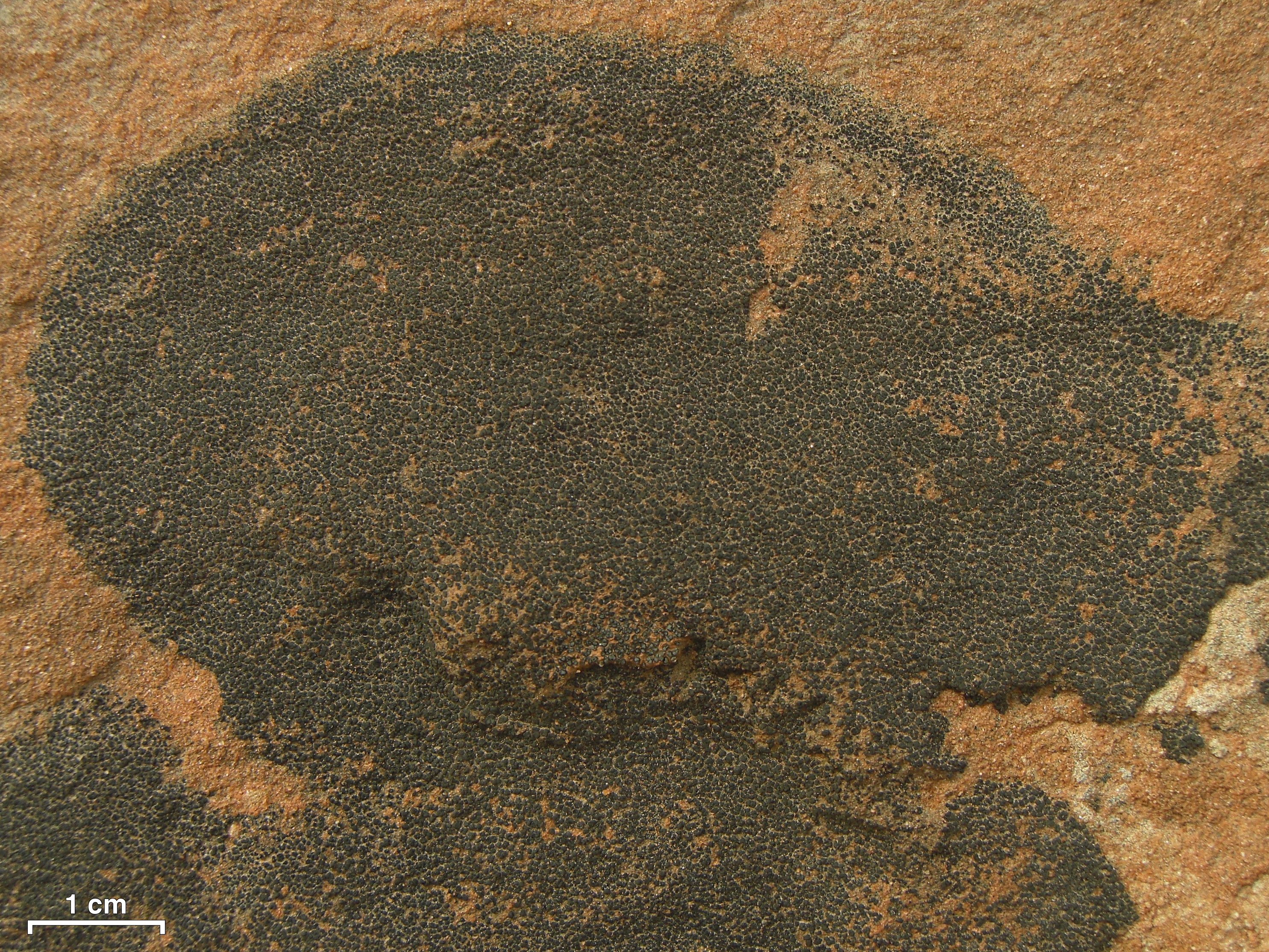
grynig vårtlav
VUStaurothele areolata
grynlav
ENPannaria conoplea
Pannaria conoplea, a lichen species, faces severe decline primarily due to air pollution and habitat degradation. Industrial emissions, agricultural chemicals, and urban development have significantly reduced suitable habitat and directly impacted lichen survival through atmospheric contamination.

Guadian nase
VUPseudochondrostoma willkommii
Guadiana barbel
VULuciobarbus steindachneri

Guanahacabibes Frog
ENEleutherodactylus guanahacabibes
The Guanahacabibes Frog faces severe threats from habitat loss and degradation due to agricultural expansion, tourism development, and infrastructure projects within its extremely limited range on the Guanahacabibes Peninsula. Climate change poses additional risks through altered precipitation patterns and increased storm intensity, which can disrupt the species' breeding cycles and microhabitat conditions.
Guaniguanico Yellow-mottled Frog
VUEleutherodactylus goini
Guarumo Poludo
ENCecropia longipes
Cecropia longipes faces severe population decline primarily due to extensive deforestation and habitat fragmentation in its limited range within Colombian cloud forests. The species' restricted distribution makes it particularly vulnerable to ongoing agricultural expansion and infrastructure development in montane regions.

Guasca
ENMacrolobium pittieri
Macrolobium pittieri faces severe population decline primarily due to extensive deforestation and habitat conversion for agriculture and urban development throughout its limited range in Costa Rica and Panama. The species' restricted distribution makes it particularly vulnerable to localized habitat destruction and fragmentation.