Species Explorer
Browse and search species from the IUCN Red List and GBIF.
54,666 species

Golden-winged Sparrow
VUArremon schlegeli

Goldenrod Crab Spider
VUMisumena vatia
Goldgelber Rindenpilz
ENAthelidium aurantiacum
Goldgelber Rindenpilz (Athelidium aurantiacum) is declining primarily due to habitat loss from deforestation and forest fragmentation in its native European range. The species is particularly vulnerable to changes in forest composition and the loss of its specific host trees, which limits its ability to establish and maintain viable populations.

Goosefoot Pug
CREupithecia sinuosaria
The Goosefoot Pug is critically endangered primarily due to severe habitat loss and degradation of its specialized coastal dune and saltmarsh environments. Urban development, coastal erosion, and changes in land management practices have dramatically reduced the availability of its host plants and suitable breeding habitats.
gördelrovfluga
VULaphria ephippium
gotländsk pricklav
CRReichlingia zwackhii
Reichlingia zwackhii, the Gotland spiny lichen, is critically endangered primarily due to habitat loss and degradation of its specialized limestone environments. The species has extremely limited distribution and small population size, making it highly vulnerable to environmental changes and human disturbances in its restricted coastal habitats on Gotland, Sweden.

gotländsk säfferotsplattmal
CRDepressaria nemolella
The Gotland Saffron-root Moth (Depressaria nemolella) is critically endangered due to its extremely limited distribution on the Swedish island of Gotland and its dependence on specific host plants. The species faces severe threats from habitat loss, agricultural intensification, and the small population size making it vulnerable to stochastic events and genetic bottlenecks.
gotlandsknagglav
CRPorpidinia tumidula
Porpidinia tumidula faces severe population decline due to habitat destruction from coastal development and pollution in its limited range around Gotland and the Baltic Sea region. Climate change-induced alterations to marine ecosystems and overfishing of prey species have further compromised the species' survival prospects.
goudbandmapissa
CRMarpissa pomatia
Marpissa pomatia faces severe population declines due to habitat destruction from urban development and agricultural expansion in its specialized microhabitats. The species' limited dispersal ability and specific habitat requirements make it particularly vulnerable to fragmentation, while climate change is altering the moisture and temperature conditions essential for its survival.
gouden vloksteeltje
VUFlammulaster limulatus
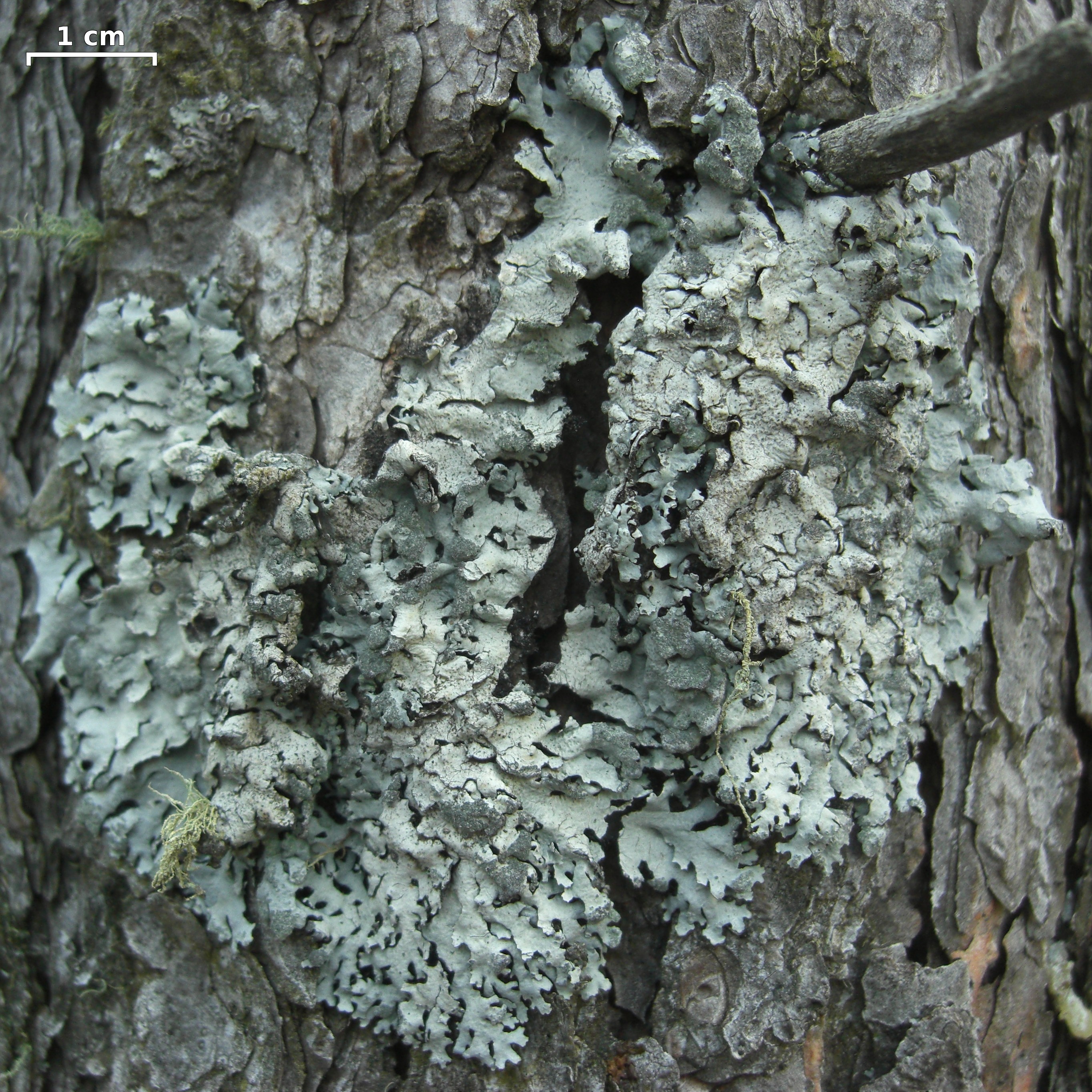
grå buktkrinslav
VUHypotrachyna laevigata

grå dvergmåler
ENEupithecia groenblomi
Eupithecia groenblomi faces severe threats from habitat loss and degradation due to changes in traditional land management practices and potential climate change impacts. The species' extremely limited distribution and specialized habitat requirements make it particularly vulnerable to environmental changes.
grå ladlav
CRCalicium trachylioides
Calicium trachylioides, a rare crustose lichen species, faces severe decline primarily due to habitat loss from deforestation and air pollution. The species requires very specific substrate conditions on old-growth trees, making it extremely vulnerable to forest management practices and environmental changes.

gråbenkrisslefjädermott
VUOidaematophorus vafradactylus

gråbinkefjädermott
VUOidaematophorus rogenhoferi
gråbrun palpmal
VUStomopteryx remissella
gräddkvastskinn
VUVararia ochroleuca
Vararia ochroleuca is declining primarily due to habitat loss from deforestation and forest degradation, which reduces the availability of suitable dead wood substrates essential for this saprotrophic fungus. Climate change may also be altering forest conditions and affecting the species' ability to establish and reproduce.
gräddvaxskinn
VUPhlebia diffissa
Grainy Shadow-crust Lichen
ENHyperphyscia adglutinata
Grainy Shadow-crust Lichen faces severe decline primarily due to air pollution, particularly nitrogen deposition and sulfur compounds that alter its substrate chemistry and disrupt its symbiotic relationships. Urban development and habitat fragmentation have eliminated many suitable bark substrates, while climate change is shifting precipitation patterns that affect the moisture-dependent reproductive cycles of this epiphytic species.
grålila fingersvamp
ENRamaria fumigata
Ramaria fumigata faces severe decline primarily due to habitat loss from deforestation and forest fragmentation, which destroys the specific old-growth forest conditions this fungus requires. Additional pressures include air pollution, climate change affecting forest ecosystems, and overcollection by mycologists and foragers.
Gran-mørkhat
VUPsathyrella pertinax
grånad småstävmal
VUGnorimoschema herbichii
granbarkgnagare
ENMicrobregma emarginatum
Primary threats include habitat fragmentation from logging operations that destroy the old-growth forest canopies essential for reproduction. Climate change is altering bark moisture levels and fungal communities that form the species' primary food source, while invasive bark beetles are disrupting the delicate microhabitat balance.

Grand Taupin roux
CRElater ferrugineus
The Grand Taupin roux (Elater ferrugineus) is critically endangered primarily due to the loss and fragmentation of old-growth deciduous forests, particularly those containing ancient oak and beech trees with extensive dead wood. Intensive forest management practices have eliminated the large quantities of decaying wood that this beetle's larvae require for development, while habitat fragmentation has isolated remaining populations.
grängesbergsfibbla
CRHieracium steenhoffii
Hieracium steenhoffii is critically endangered due to its extremely limited distribution in a single location in Sweden, making it highly vulnerable to habitat disturbance and environmental changes. The species faces ongoing threats from mining activities, habitat degradation, and its naturally small population size which increases extinction risk from stochastic events.
grangytterlav
ENFuscopannaria ahlneri
Fuscopannaria ahlneri faces severe decline primarily due to air pollution and habitat degradation affecting the old-growth forests where it occurs. This lichen species is extremely sensitive to atmospheric changes and requires very specific microclimate conditions that are being disrupted by human activities.
granlundlav
VUBacidia laurocerasi
granlundsfibbla
CRHieracium abiegni
Granlundsfibbla faces severe threats from habitat loss due to forestry practices and infrastructure development in its specialized montane environments. Climate change poses additional risks by altering the cool, moist conditions this alpine hawkweed requires, while its extremely limited distribution makes populations vulnerable to local extinctions.

granular poromya
VUPoromya granulata
gräsgrön fibbla
CRHieracium chloeropis
Gräsgrön fibbla faces severe threats from habitat loss due to agricultural intensification and urban development in its limited range. The species' highly specialized ecological requirements and small population size make it extremely vulnerable to environmental changes and stochastic events.

gräshoppsstekel
VUSphex funerarius
graskrabspin
ENXysticus erraticus
Xysticus erraticus faces significant population declines primarily due to habitat loss and degradation of its specialized grassland and heathland environments. Agricultural intensification, urban development, and changes in land management practices have severely reduced the availability of suitable habitat for this ground-dwelling spider species.

graspyamaspin
ENHypsosinga pygmaea
Hypsosinga pygmaea faces significant population declines primarily due to habitat loss from agricultural intensification and urbanization of wetland areas. Climate change and pollution from pesticides used in surrounding agricultural areas further threaten remaining populations of this small orb weaver spider.

Grass Ant
VUMyrmecina graminicola

grass emerald
CRPseudoterpna pruinata
The grass emerald (Pseudoterpna pruinata) faces severe population decline primarily due to habitat loss from agricultural expansion and urban development across its limited range. Climate change is altering the distribution and phenology of its host plants, further reducing suitable habitat. The species' specialized ecological requirements and small population size make it particularly vulnerable to environmental changes.

Grass Jewel
CRFreyeria trochylus
The Grass Jewel butterfly faces severe population declines primarily due to habitat loss and degradation from agricultural expansion and urbanization across its range. Climate change is altering the distribution and availability of its host plants, while pesticide use in agricultural areas directly impacts both the butterfly and its larval food sources.

Grass Pink
VUDianthus armeria

Grass-of-Parnassus
ENParnassia palustris
Grass-of-Parnassus is declining primarily due to habitat loss and degradation of its specialized wetland environments. Agricultural intensification, drainage of wetlands, and changes in traditional land management practices have significantly reduced suitable habitat across its range.

Grasshopper Sparrow
ENAmmodramus savannarum
Grasshopper Sparrows are declining primarily due to widespread loss and fragmentation of native grassland habitats from agricultural conversion, urban development, and altered fire regimes. The species requires large expanses of contiguous grassland with specific vegetation structure, making it particularly vulnerable to habitat modification and degradation.

Gratiole
CRGratiola officinalis
Gratiola officinalis faces severe population declines primarily due to habitat loss from agricultural intensification and wetland drainage. The species' specialized requirements for wet meadows and marshy areas make it particularly vulnerable to land use changes and water management practices that alter hydrological conditions.

gråtungelav
VUThyrea confusa
Graue Lockensandbiene
VUAndrena nycthemera
Graugrüner Schirmpilz
VULepiota griseovirens

Grauweiße Rippen-Becherlorchel
VUHelvella costifera
Gray-footed Spiny-rat
VUProechimys poliopus
![Grayling [butterfly]](https://upload.wikimedia.org/wikipedia/commons/7/76/Hipparchia_semele.jpg)
Grayling [butterfly]
CRHipparchia semele
The Grayling butterfly faces severe population declines primarily due to habitat loss and degradation of its specialized coastal and heathland environments. Climate change and coastal development have reduced the availability of suitable sandy, sparsely vegetated areas where this species breeds and feeds.
![Grayling [fish]](https://upload.wikimedia.org/wikipedia/commons/9/96/Thymallus_thymallus_P%C3%A9nzes_p%C3%A9r.jpg)
Grayling [fish]
CRThymallus thymallus
European Grayling populations have declined dramatically due to habitat degradation, water pollution, and river modifications that have fragmented their spawning grounds. Climate change is exacerbating these pressures by altering water temperatures and flow regimes that this cold-water species requires. Overfishing and competition from introduced species have further contributed to population declines across much of their historical range.

Great Antpitta
VUGrallaria excelsa
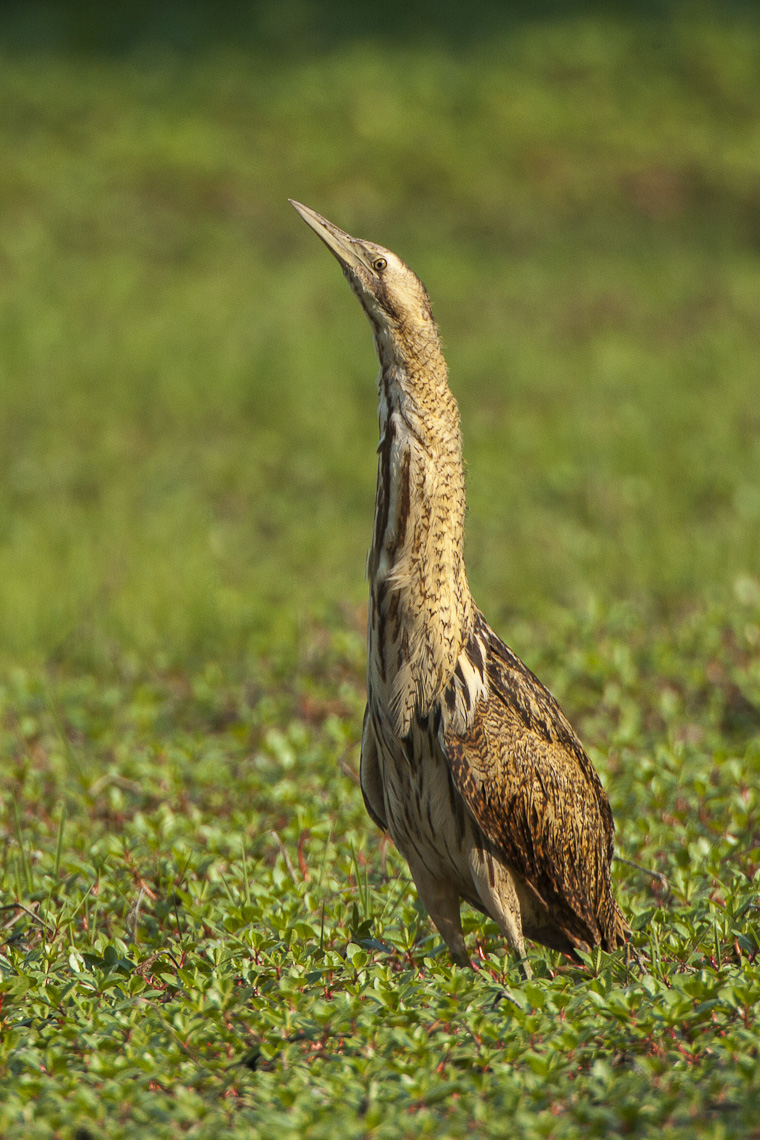
Great Bittern
VUBotaurus stellaris

Great Crested Grebe
VUPodiceps cristatus