Greater Featherwort
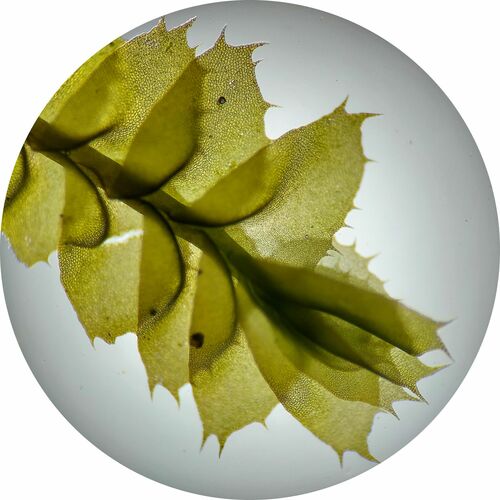
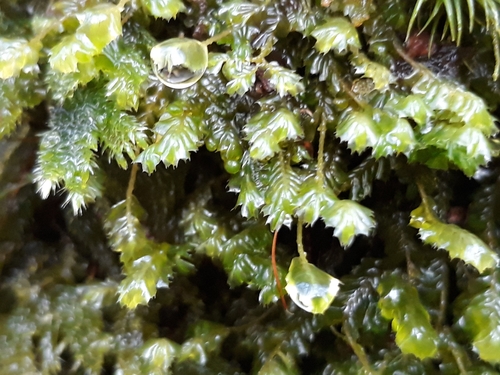
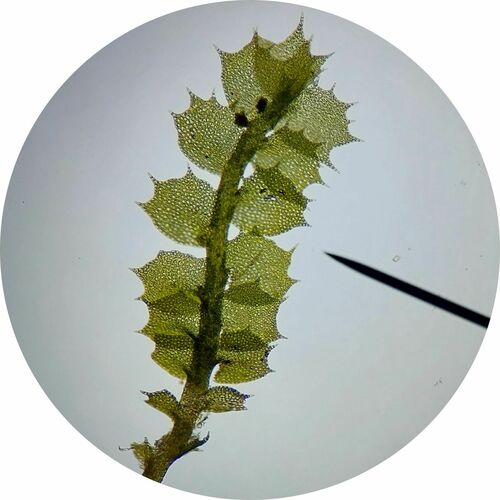
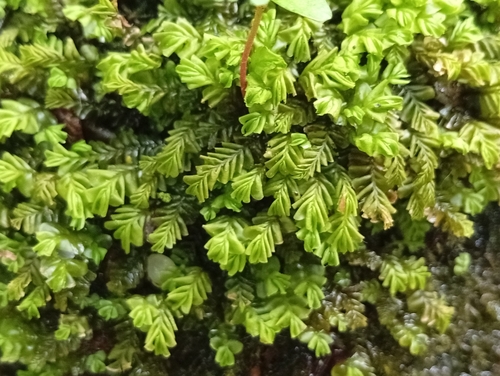
Plagiochila asplenioides
Overview
A detailed profile for this species is sourced from the IUCN Red List of Threatened Species as assessments become available.
Greater Featherwort faces significant pressure from habitat degradation in its preferred woodland environments, particularly through changes in forest management practices that alter the humid microclimate conditions essential for this bryophyte's survival. Air pollution, especially nitrogen deposition from agricultural and industrial sources, disrupts the delicate chemical balance of bark and rock surfaces where the species establishes. Climate change poses an additional threat through altered precipitation patterns and increased temperature fluctuations that can desiccate these moisture-dependent liverwort populations.
Habitat
Greater Featherwort typically grows on the bark of deciduous trees, particularly in humid, shaded woodlands and along stream valleys where consistent moisture levels are maintained. The species also colonizes acidic rock surfaces and occasionally soil banks in areas with stable microclimatic conditions.
Other threatened species in Plagiochilaceae
Frequently asked questions
Why is Greater Featherwort classified as Vulnerable?
Where does Greater Featherwort live?
What are the main threats to Greater Featherwort?
Get weekly conservation intelligence
One short digest a week of the most striking species and country data we ship, plus breaking conservation news paired with our database where it matters.
Free, no spam. One-click unsubscribe in every email.