
Greater Butterfly-orchid
Platanthera chlorantha
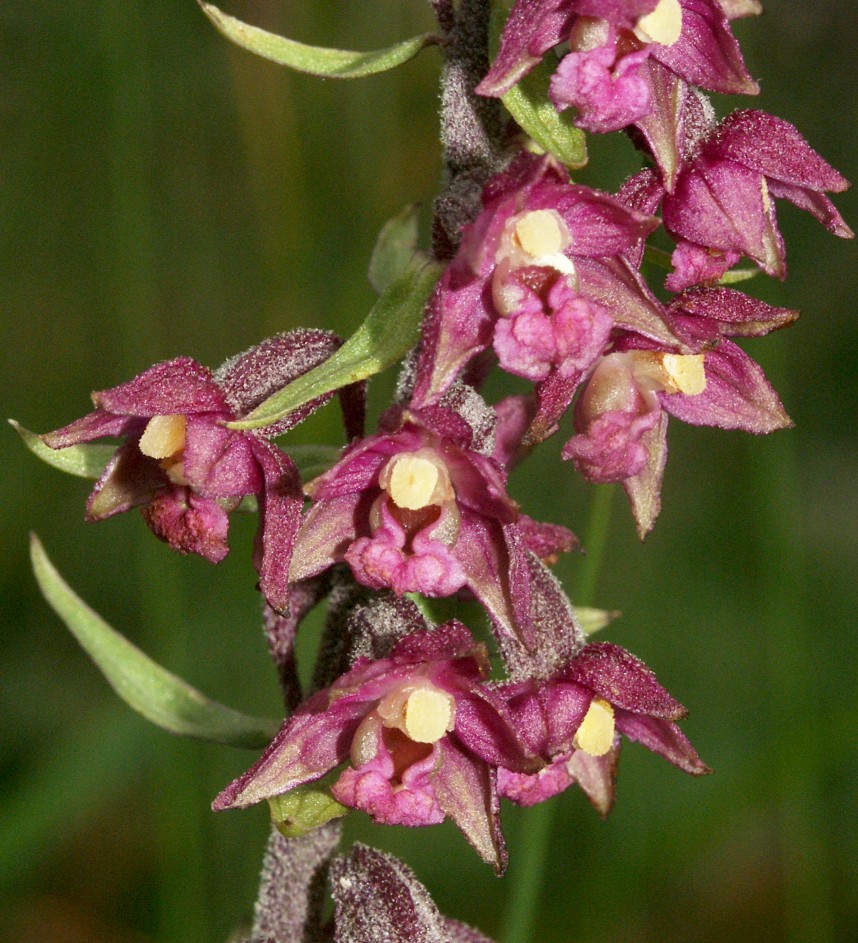
Photo: Wikimedia Commons (CC) via https://en.wikipedia.org/wiki/Platanthera_chlorantha
Overview
Platanthera chlorantha, commonly known as greater butterfly-orchid, is a species of orchid in the genus Platanthera. It can be found throughout Europe and Morocco. The name Platanthera is derived from Greek, meaning "broad anthers", while the species name, chlorantha, means "green-flowered".
The Greater Butterfly-orchid faces severe decline primarily due to habitat loss from agricultural intensification, urban development, and changes in traditional land management practices. The species is particularly vulnerable because it depends on specific mycorrhizal fungi for germination and growth, making it sensitive to soil disturbance and chemical inputs.
Other threatened species in Orchidaceae
Frequently asked questions
Why is Greater Butterfly-orchid classified as Endangered?
Where does Greater Butterfly-orchid live?
What are the main threats to Greater Butterfly-orchid?
Get weekly conservation intelligence
One short digest a week of the most striking species and country data we ship, plus breaking conservation news paired with our database where it matters.
Free, no spam. One-click unsubscribe in every email.