
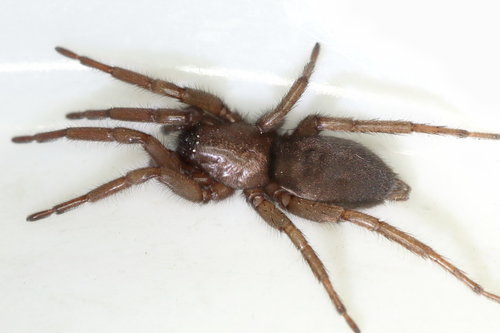
Great Fox-spider
Alopecosa fabrilis
Photo: Wikimedia Commons (CC) via https://en.wikipedia.org/wiki/Alopecosa_fabrilis
Overview
A detailed profile for this species is sourced from the IUCN Red List of Threatened Species as assessments become available.
The Great Fox-spider faces severe habitat loss due to coastal development and dune stabilization projects that destroy its specialized sandy habitat. Climate change poses an additional threat through sea level rise and increased storm intensity, which can flood or erode the coastal dunes where this species creates its distinctive burrows. Human recreational activities, including off-road vehicles and trampling, further degrade the fragile dune ecosystems essential for the spider's survival.
Habitat
The Great Fox-spider inhabits coastal sand dunes and sandy heathlands, where it constructs distinctive silk-lined burrows in loose, well-drained sandy soils. This species requires open, sparsely vegetated areas with specific microclimate conditions found in dynamic dune systems.
Other threatened species in Lycosidae

Threatened in Åland Islands


Frequently asked questions
Why is Great Fox-spider classified as Vulnerable?
Where does Great Fox-spider live?
What are the main threats to Great Fox-spider?
Get weekly conservation intelligence
One short digest a week of the most striking species and country data we ship, plus breaking conservation news paired with our database where it matters.
Free, no spam. One-click unsubscribe in every email.