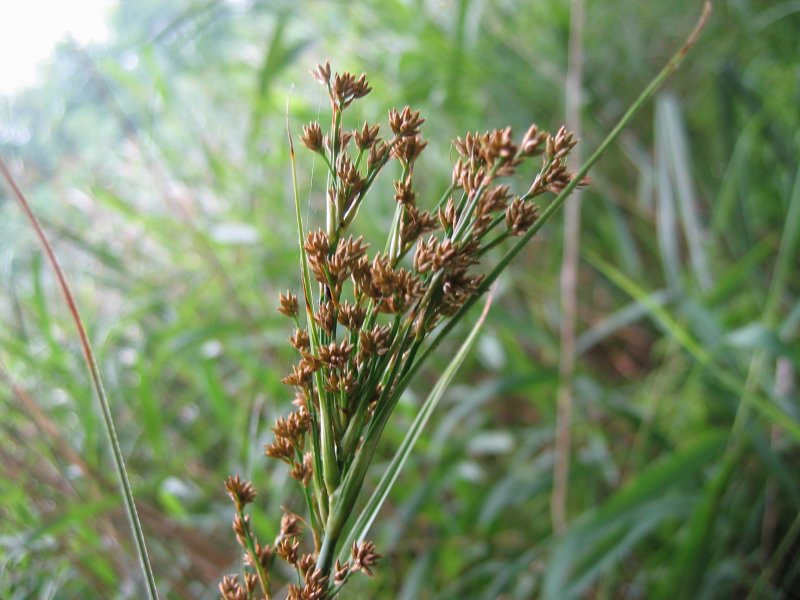
Great Fen-sedge
Cladium mariscus
Photo: Wikimedia Commons (CC) via https://en.wikipedia.org/wiki/Cladium_mariscus
Overview
Great Fen-sedge (Cladium mariscus)
Great fen-sedge is a robust perennial grass that forms dense, towering stands up to 2.5 meters tall. Its distinctive saw-toothed leaves have sharp, cutting edges that give the plant its alternative name "saw-sedge." The species produces small brown flower clusters and spreads through both seeds and underground rhizomes, creating extensive monocultures that provide critical nesting habitat for rare birds and shelter for wetland wildlife.
This cosmopolitan species inhabits freshwater and brackish wetlands across six continents, from European fens and Mediterranean marshes to tropical swamps in Southeast Asia and the Americas. It thrives in calcium-rich, alkaline waters and is particularly associated with reed beds, lake margins, and coastal wetlands. Despite its wide distribution, populations are often fragmented and localized.
The species faces significant pressure from wetland drainage for agriculture and development, which has eliminated vast areas of suitable habitat. Water pollution, particularly nutrient enrichment from agricultural runoff, alters water chemistry and promotes competing vegetation. Climate change threatens populations through altered precipitation patterns and sea-level rise affecting coastal habitats.
In Europe, many historical sites have been lost to peat extraction and land conversion.
Conservation efforts focus on wetland restoration and protection of remaining sites. Several European countries have established nature reserves specifically protecting fen-sedge habitats, while water management programs aim to maintain appropriate water levels and quality. Habitat creation projects attempt to establish new populations in suitable locations.
The species' current outlook remains concerning despite its wide range, as local populations continue declining and suitable habitat becomes increasingly fragmented across much of its distribution.
Great Fen-sedge is declining primarily due to habitat loss and degradation of wetland ecosystems through drainage, agricultural conversion, and water management practices. Climate change and altered hydrological regimes further threaten the specific water level conditions this species requires for survival.
Habitat
Other threatened species in Cyperaceae


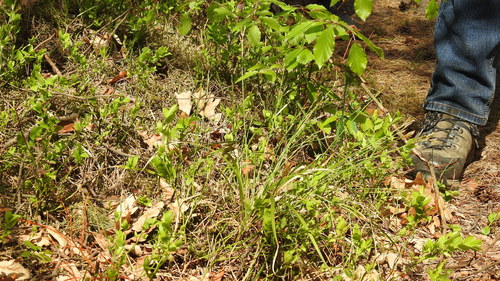
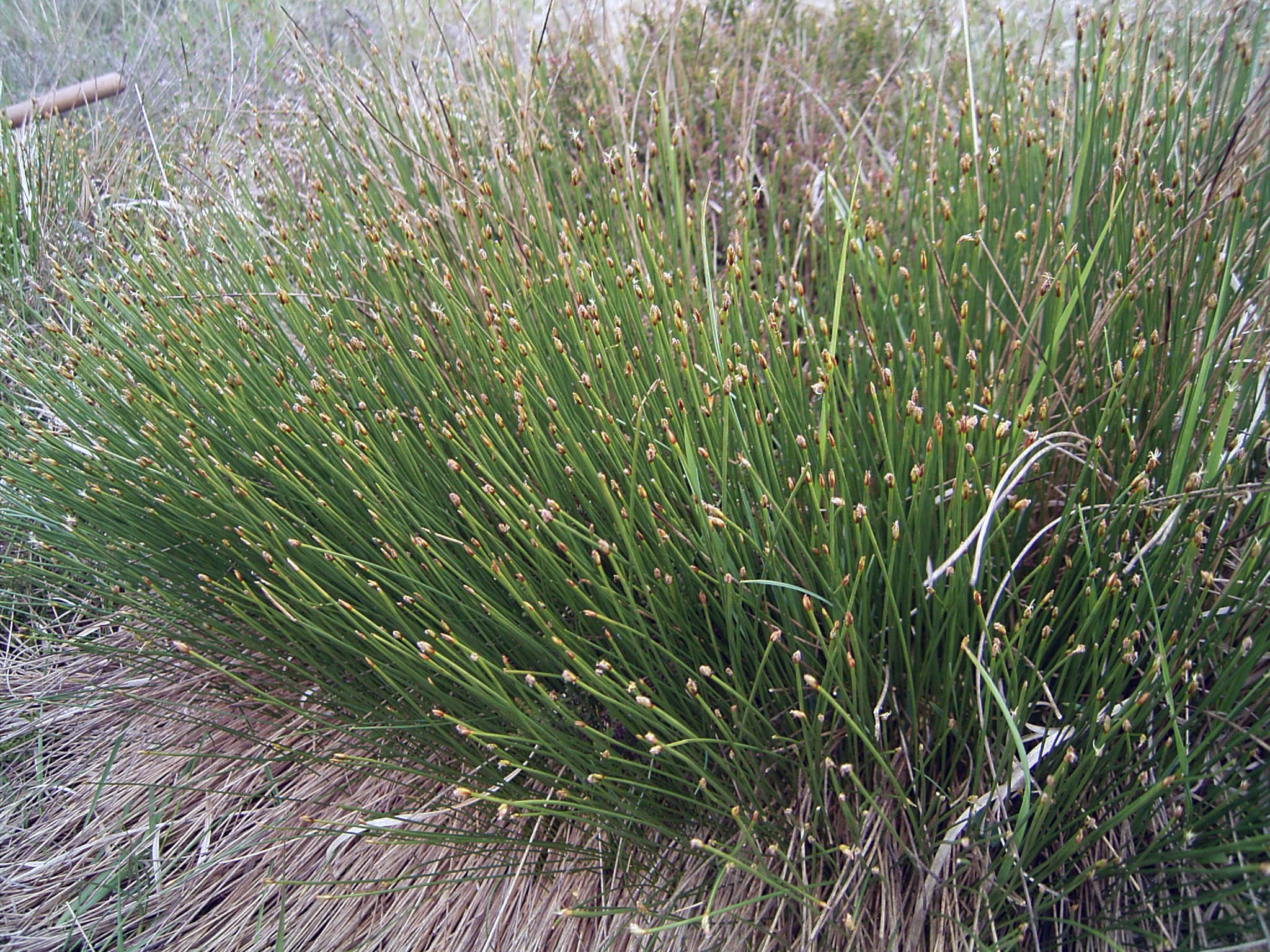
Threatened in Åland Islands


Frequently asked questions
Why is Great Fen-sedge classified as Endangered?
Where does Great Fen-sedge live?
What are the main threats to Great Fen-sedge?
Get weekly conservation intelligence
One short digest a week of the most striking species and country data we ship, plus breaking conservation news paired with our database where it matters.
Free, no spam. One-click unsubscribe in every email.