
Grey Dwarf
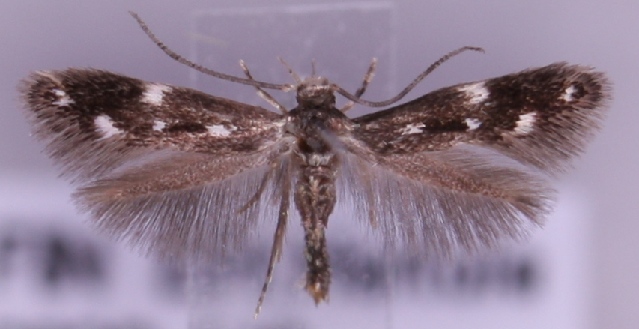
Elachista bedellella
Photo: Wikimedia Commons (CC) via https://en.wikipedia.org/wiki/Elachista_bedellella
Overview
The Grey Dwarf (Elachista bedellella) is a small microlepidopteran moth with distinctive grey forewings marked by pale streaks and a wingspan of approximately 8-10mm. As a leaf-mining specialist, the larvae create characteristic linear mines in grass blades, playing an important role in grassland ecosystem dynamics and serving as prey for various insectivorous species.
The Grey Dwarf (Elachista bedellella) is declining primarily due to habitat loss and degradation of its specialized grassland environments. Agricultural intensification, urban development, and changes in land management practices have reduced the availability of suitable breeding and feeding sites for this small moth species.
Habitat
This species inhabits species-rich calcareous grasslands, chalk downs, and limestone pavements where its host grasses thrive in short, nutrient-poor turf. It shows particular association with areas of fine-leaved grasses growing in well-drained, alkaline soils with sparse vegetation cover.
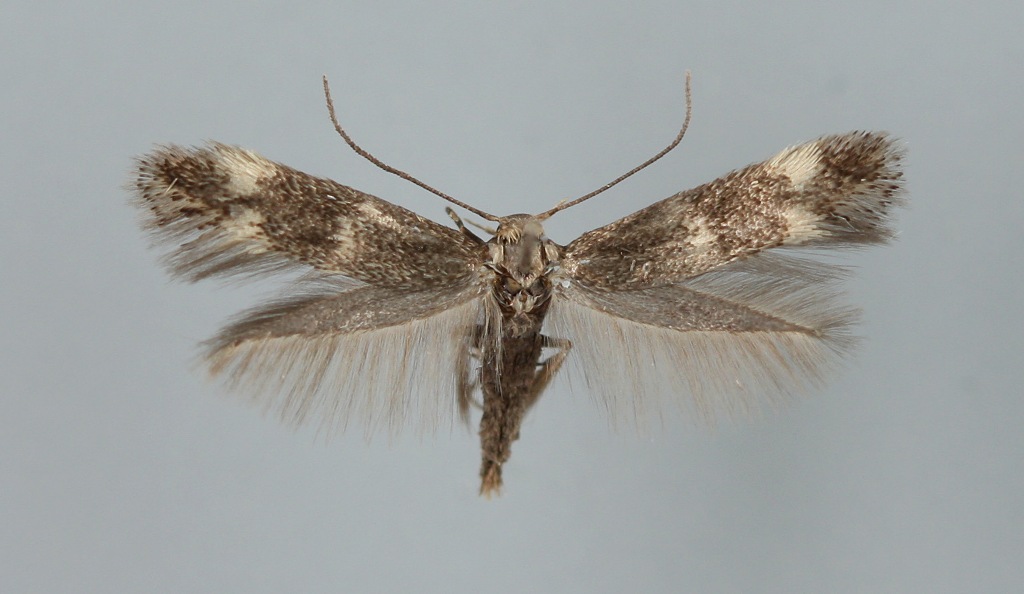
Other threatened species in Elachistidae


Threatened in Austria
Frequently asked questions
Why is Grey Dwarf classified as Endangered?
Where does Grey Dwarf live?
What are the main threats to Grey Dwarf?
Get weekly conservation intelligence
One short digest a week of the most striking species and country data we ship, plus breaking conservation news paired with our database where it matters.
Free, no spam. One-click unsubscribe in every email.