
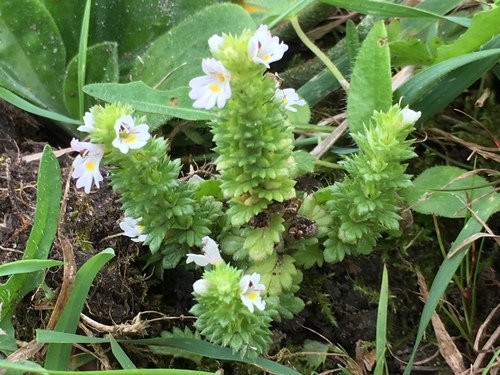
European yellowrattle
Rhinanthus alectorolophus
Photo: Wikimedia Commons (CC) via https://en.wikipedia.org/wiki/Rhinanthus_alectorolophus
Overview
Rhinanthus alectorolophus, the European yellow-rattle, is a plant species of the genus Rhinanthus, native to Europe.
Greater yellow-rattle faces severe decline primarily due to agricultural intensification and habitat loss of traditional hay meadows and semi-natural grasslands. The species depends on specific grassland management practices that have largely disappeared with modern farming methods, leading to fragmentation of suitable habitat across its European range.
Habitat
Other threatened species in Orobanchaceae


Frequently asked questions
Why is European yellowrattle classified as Critically Endangered?
Where does European yellowrattle live?
What are the main threats to European yellowrattle?
Get weekly conservation intelligence
One short digest a week of the most striking species and country data we ship, plus breaking conservation news paired with our database where it matters.
Free, no spam. One-click unsubscribe in every email.