
Ebony Woodwax
Hygrophorus latitabundus
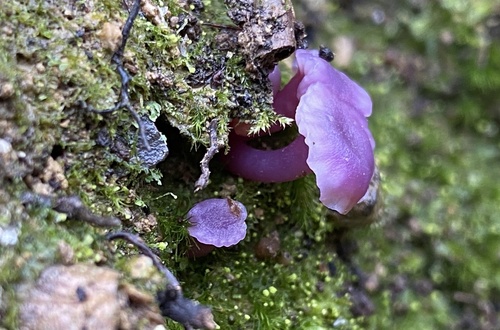
Photo: Wikimedia Commons (CC) via https://en.wikipedia.org/wiki/Hygrophorus_latitabundus
Overview
Hygrophorus latitabundus is a species of fungus in the genus Hygrophorus. It is distributed in European pine forests, and has a preference for calcareous soils. It fruits in autumn, producing large, edible mushrooms with slimy caps and stems.
The Ebony Woodwax faces significant threats from habitat loss due to deforestation and forest degradation, which reduces the availability of suitable host trees essential for its mycorrhizal relationships. Climate change poses additional risks by altering forest composition and moisture regimes that this species depends on for fruiting and survival.
Habitat
Inhabits mature coniferous and mixed forests, particularly those dominated by spruce, fir, and pine species, where it forms mycorrhizal associations with tree roots. Typically found in moist, well-drained forest soils at elevations ranging from lowland to montane zones.
Other threatened species in Hygrophoraceae

Frequently asked questions
Why is Ebony Woodwax classified as Vulnerable?
Where does Ebony Woodwax live?
What are the main threats to Ebony Woodwax?
Get weekly conservation intelligence
One short digest a week of the most striking species and country data we ship, plus breaking conservation news paired with our database where it matters.
Free, no spam. One-click unsubscribe in every email.