Elaphoglossum paleaceum
Overview
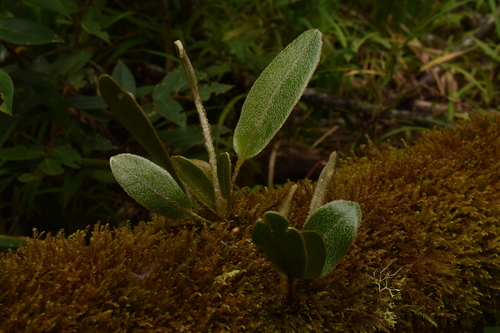
Ekaha (Elaphoglossum paleaceum) is an endemic Hawaiian fern species characterized by its distinctive leathery, tongue-shaped fronds that are covered in silvery-brown scales on the undersides. This epiphytic fern plays an important ecological role in native Hawaiian forest ecosystems by contributing to canopy biodiversity and providing microhabitat for invertebrates and other small organisms.
Elaphoglossum paleaceum faces severe threats from habitat destruction due to deforestation and agricultural expansion in its limited range. The species is particularly vulnerable due to its restricted distribution and specialized habitat requirements in montane cloud forests.
Habitat
Ekaha grows as an epiphyte on native tree trunks and branches in mesic to wet Hawaiian forests, typically at elevations between 300-1,200 meters. The species thrives in the humid, shaded understory of native ʻōhiʻa lehua and koa forests where consistent moisture and filtered light create optimal growing conditions.
Other threatened species in Dryopteridaceae
Threatened in Bolivia
Frequently asked questions
Why is Elaphoglossum paleaceum classified as Endangered?
Where does Elaphoglossum paleaceum live?
What are the main threats to Elaphoglossum paleaceum?
Get weekly conservation intelligence
One short digest a week of the most striking species and country data we ship, plus breaking conservation news paired with our database where it matters.
Free, no spam. One-click unsubscribe in every email.