Kelisia monoceros
Overview
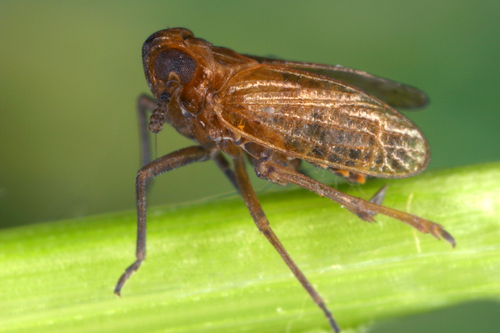
The Einhorn-Spornzikade (Kelisia monoceros) is a distinctive planthopper characterized by its prominent horn-like projection on the head, from which it derives its common name. This small hemipteran insect feeds on grasses and sedges in wetland environments, playing an important role in nutrient cycling and serving as prey for various arthropod predators and small birds.
Kelisia monoceros faces significant threats from habitat loss and degradation of its specialized wetland environments due to agricultural expansion, urban development, and water management practices. Climate change poses additional risks through altered precipitation patterns and temperature regimes that affect the delicate moisture balance of its bog and marsh habitats.
Habitat
This planthopper species inhabits wet meadows, bogs, marshes, and other moisture-rich grassland environments, typically associated with sedges and other wetland vegetation. It requires specific hydrological conditions and is particularly dependent on undisturbed wetland ecosystems with stable water levels.
Other threatened species in Delphacidae
Threatened in Åland Islands


Frequently asked questions
Why is Kelisia monoceros classified as Vulnerable?
Where does Kelisia monoceros live?
What are the main threats to Kelisia monoceros?
Get weekly conservation intelligence
One short digest a week of the most striking species and country data we ship, plus breaking conservation news paired with our database where it matters.
Free, no spam. One-click unsubscribe in every email.