Species Explorer
Browse and search species from the IUCN Red List and GBIF.
54,666 species
Erhabener Gürtelfuß, Düsterer G.
VUCortinarius ectypus
Cortinarius ectypus faces significant threats from habitat degradation and loss of its specialized forest ecosystems. Climate change and altered precipitation patterns are disrupting the delicate soil chemistry and mycorrhizal relationships essential for this fungal species' survival and reproduction.

Ermine Knot-horn
ENPhycitodes binaevella
The Ermine Knot-horn is declining primarily due to habitat loss and degradation of its specialized coastal dune and saltmarsh environments. Climate change and sea level rise pose additional threats to these vulnerable coastal ecosystems, while coastal development and recreational activities further fragment and disturb remaining suitable habitats.

Eros Blue
CRPolyommatus eros
The Eros Blue butterfly faces severe population declines primarily due to habitat loss and degradation of its specialized alpine grassland ecosystems. Climate change poses an additional critical threat as warming temperatures force this cold-adapted species to retreat to increasingly limited high-altitude refugia.

Erratic Ant
CRTapinoma erraticum
The Erratic Ant faces severe population declines due to habitat destruction from urbanization and agricultural expansion across its European range. Climate change is altering the temperature and moisture conditions of its specialized microhabitats, while invasive ant species compete for resources and nesting sites.

Esmeraldas Antbird
VUMyrmeciza nigricauda
The Esmeraldas Antbird faces significant threats from habitat loss and fragmentation due to deforestation, agricultural expansion, and urban development throughout its limited range in western Ecuador and northwestern Colombia. The species' dependence on intact lowland forest understory makes it particularly vulnerable to forest conversion and degradation. Its restricted geographic range amplifies the impact of these threats on population stability.

Esmeraldas Robber Frog
ENDiasporus gularis
The Esmeraldas Robber Frog faces severe population declines primarily due to extensive deforestation and habitat conversion for agriculture and urban development within its extremely limited range in northwestern Ecuador. The species' small geographic distribution makes it particularly vulnerable to localized threats, with habitat fragmentation isolating remaining populations.
Espada's Rocket Frog
VUHyloxalus pulchellus
Espada's Rocket Frog faces significant threats from habitat loss and degradation due to deforestation, agricultural expansion, and urban development throughout its range in the northern Andes. Climate change poses additional risks by altering precipitation patterns and temperature regimes that are critical for this species' breeding and survival. Pollution from agricultural runoff and mining activities further degrades the pristine stream habitats this species requires.
espejuelo
VUSideroxylon cubense
Sideroxylon cubense faces significant threats from habitat loss due to deforestation, agricultural expansion, and urban development across its Caribbean range. The species' limited distribution and small population sizes make it particularly vulnerable to environmental changes and human activities that fragment its remaining forest habitats.

Espen-Seitling
VUPleurotus calyptratus
Pleurotus calyptratus faces significant threats from habitat loss due to deforestation and degradation of its host tree substrates. Climate change and altered precipitation patterns further threaten the specific moisture conditions required for this fungal species to fruit and reproduce successfully.

Essex Emerald
ENThetidia smaragdaria
The Essex Emerald is critically threatened by habitat loss due to coastal development and sea level rise affecting its specialized saltmarsh habitat. The species has an extremely restricted range limited to a few sites in Essex, England, making it highly vulnerable to local extinctions from habitat degradation and climate change impacts.

Essex Groundling
ENScrobipalpula diffluella
The Essex Groundling is critically threatened by habitat loss due to coastal development and agricultural intensification in its limited range along the Essex coast. Climate change and sea level rise pose additional threats to its specialized saltmarsh habitats, while the species' extremely restricted distribution makes it vulnerable to local extinctions from any disturbance events.
etelänkoipikorri
VUNemoura dubitans
Ethereal Domecap
ENLyophyllum eustygium
Habitat fragmentation and deforestation pose significant threats to Ethereal Domecap populations, as they require undisturbed forest floor conditions with specific moisture and organic matter levels. Climate change is altering precipitation patterns and temperature regimes, disrupting the delicate environmental conditions necessary for successful fruiting and spore dispersal.
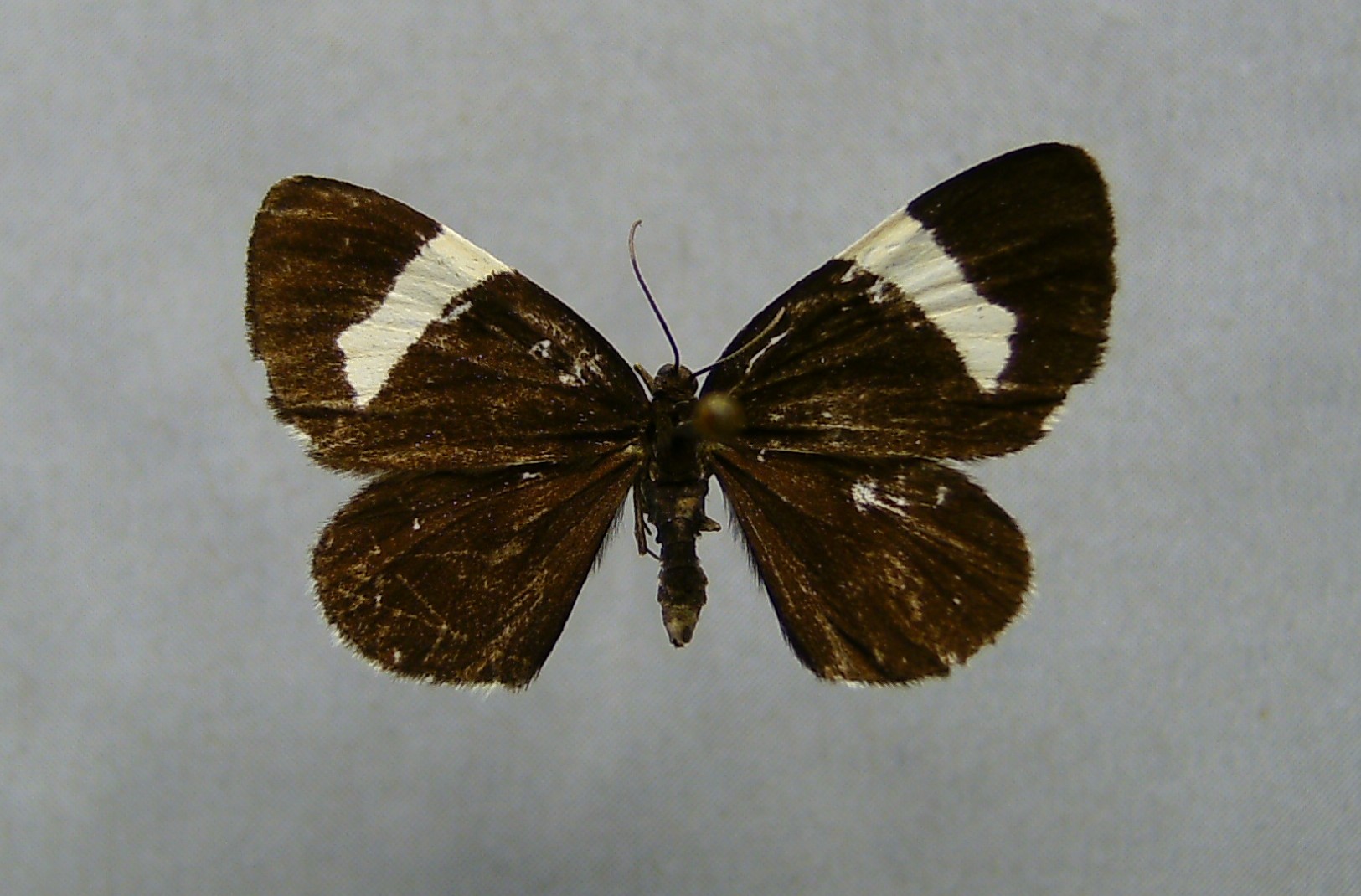
Eubolie de l'Actée (L')
ENBaptria tibiale
Baptria tibiale, a European moth species, faces significant population declines primarily due to habitat loss and degradation of its specialized woodland environments. Climate change and forest management practices that alter the structure and composition of its host plant communities pose additional threats to this already vulnerable species.
Eucnème Barnabé
CRDromaeolus barnabita
Dromaeolus barnabita is critically endangered primarily due to habitat loss and degradation of its specialized forest environments. The species has an extremely limited range and small population size, making it highly vulnerable to environmental changes and human activities that fragment or destroy its woodland habitat.

Eudorée des Ardennes
ENEudonia laetella
Eudonia laetella faces severe population decline primarily due to habitat loss and degradation of its specialized grassland and heathland environments. Agricultural intensification, urbanization, and changes in traditional land management practices have significantly reduced the availability of suitable breeding and feeding habitats for this moth species.

Eupithécie de Macédoine (L')
CREupithecia ochridata
Eupithecia ochridata is critically endangered primarily due to severe habitat loss and degradation of its specialized mountain grassland and scrubland ecosystems in the Balkans. The species has an extremely restricted range and small population size, making it highly vulnerable to environmental changes and human activities that fragment or destroy its habitat.

Eupithécie des baies d'Actée (L'), Eupithecie argillacée (L')
VUEupithecia immundata

Eurasian Badger
VUMeles meles

Eurasian Baskettail
VUEpitheca bimaculata

Eurasian Bullfinch
ENPyrrhula pyrrhula
The Eurasian Bullfinch faces significant population declines across much of its range due to habitat loss and degradation from agricultural intensification and urbanization. Climate change is altering the distribution and availability of suitable breeding habitats, while changes in forest management practices have reduced the availability of mature coniferous and mixed woodlands that the species requires.

Eurasian coot
VUFulica atra
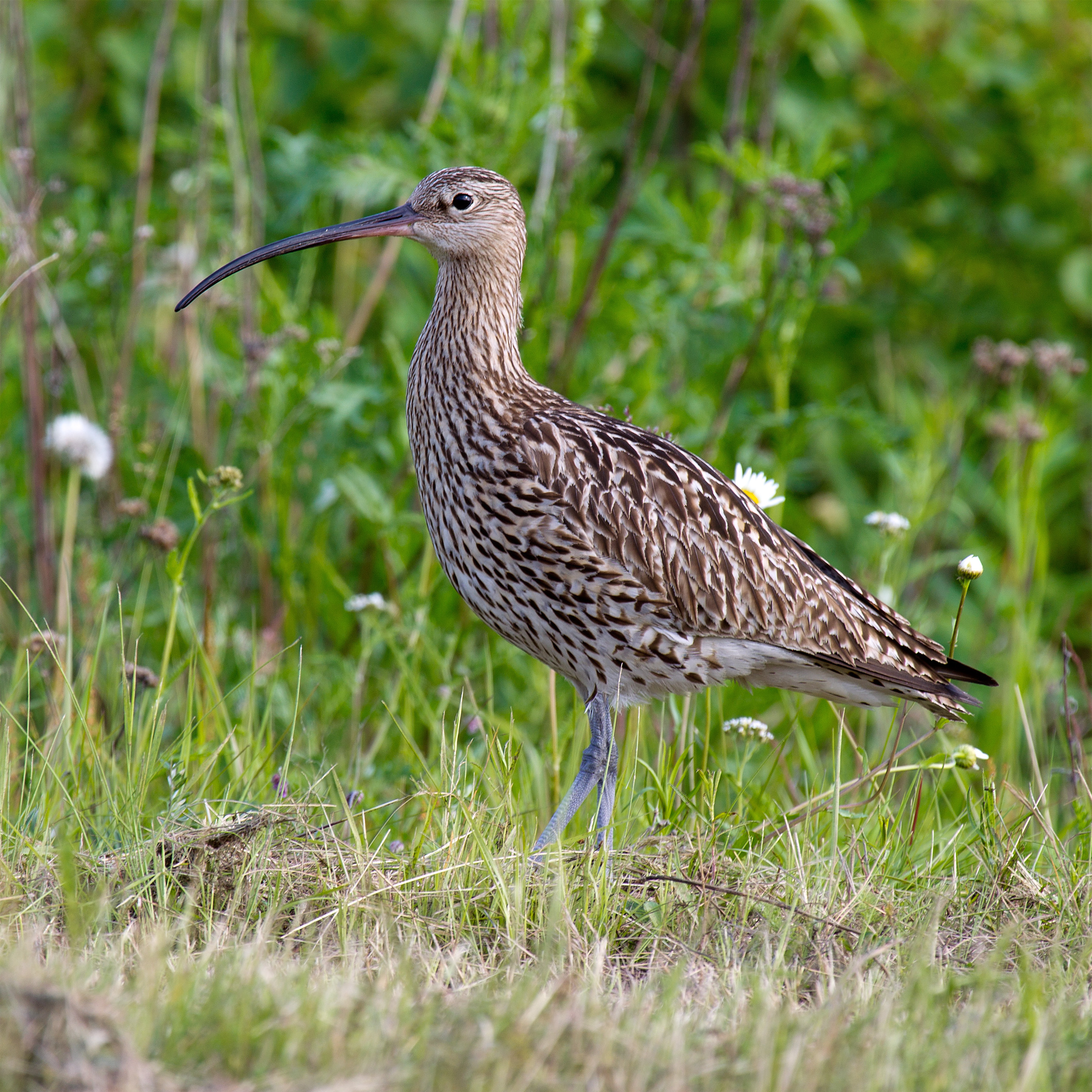
Eurasian Curlew
VUNumenius arquata

Eurasian Golden Oriole
VUOriolus oriolus
The Eurasian Golden Oriole is declining primarily due to habitat loss from agricultural intensification and deforestation across its breeding and wintering ranges. Climate change is altering migration patterns and breeding success, while pesticide use reduces insect prey availability.

Eurasian Hobby
CRFalco subbuteo
The Eurasian Hobby faces severe population declines due to widespread habitat loss from agricultural intensification and urbanization, which eliminates the open woodlands and parklands essential for breeding. Pesticide contamination significantly reduces prey availability and causes reproductive failures, while climate change disrupts migration patterns and breeding cycles. Conservation status may vary by region or assessment authority.
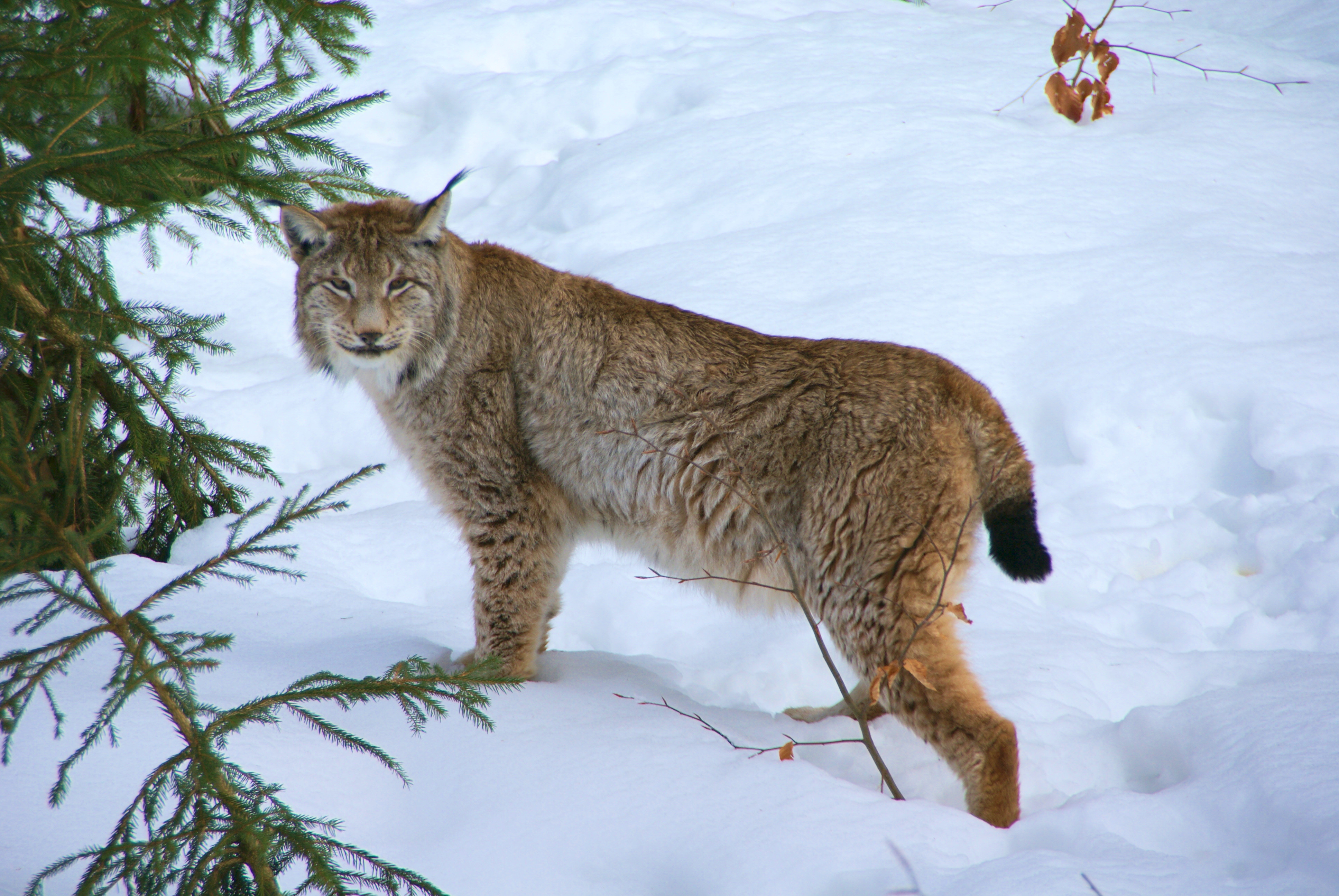
Eurasian Lynx
VULynx lynx
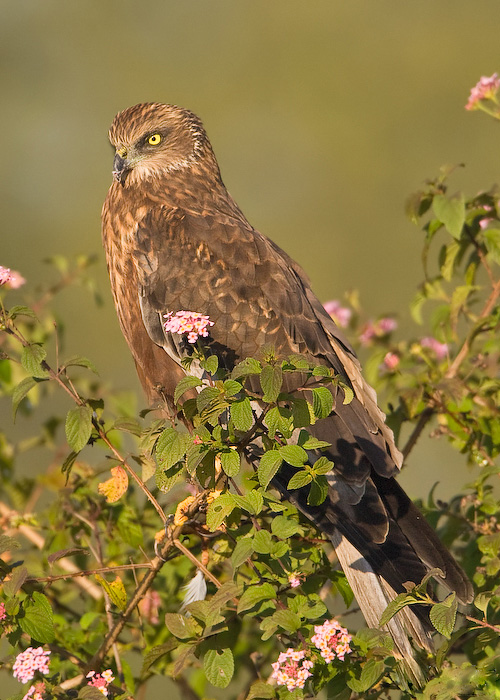
Eurasian Marsh Harrier
VUCircus aeruginosus
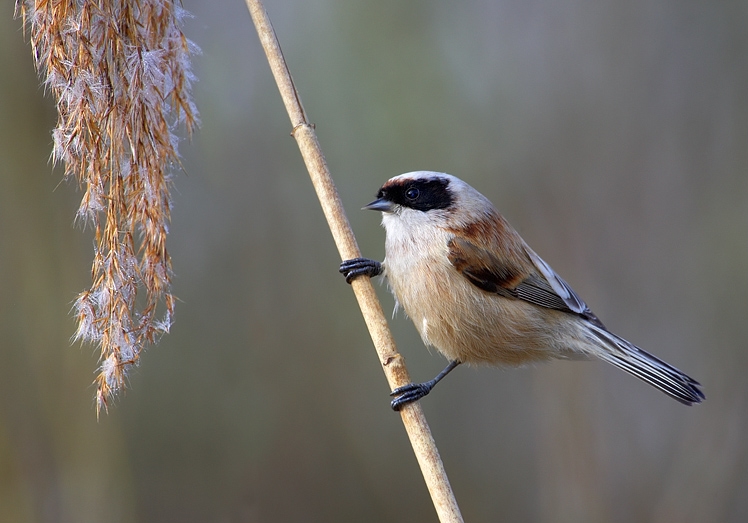
Eurasian Penduline Tit
CRRemiz pendulinus
The Eurasian Penduline Tit faces significant population declines primarily due to habitat loss and degradation of wetland and riparian ecosystems where it builds its distinctive hanging nests. Climate change is altering the timing of insect emergence, disrupting the species' breeding cycle and food availability. Agricultural intensification and water management practices have reduced suitable nesting sites along rivers and marshes.

Eurasian sparrowhawk
VUAccipiter nisus

Eurasian Spoonbill
CRPlatalea leucorodia
The Eurasian Spoonbill faces significant threats from habitat loss and degradation of wetland ecosystems due to agricultural expansion, urban development, and water management practices. Climate change is altering water levels and food availability in critical breeding and feeding areas, while pollution from agricultural runoff and industrial activities degrades water quality in essential wetland habitats.

Eurasian Water Shrew
ENNeomys fodiens
The Eurasian Water Shrew faces significant population declines primarily due to habitat degradation and loss of clean freshwater environments. Water pollution, agricultural runoff, and wetland drainage have severely impacted the quality of riparian habitats essential for this semi-aquatic species.

Eurasian Wryneck
CRJynx torquilla
The Eurasian Wryneck faces severe population declines primarily due to habitat loss from agricultural intensification and urbanization, which eliminates the open woodlands and parklands it requires for nesting and foraging. Climate change is altering the timing of ant emergence, disrupting the species' specialized feeding ecology, while pesticide use reduces its primary food sources.

European aspen
VUPopulus tremula
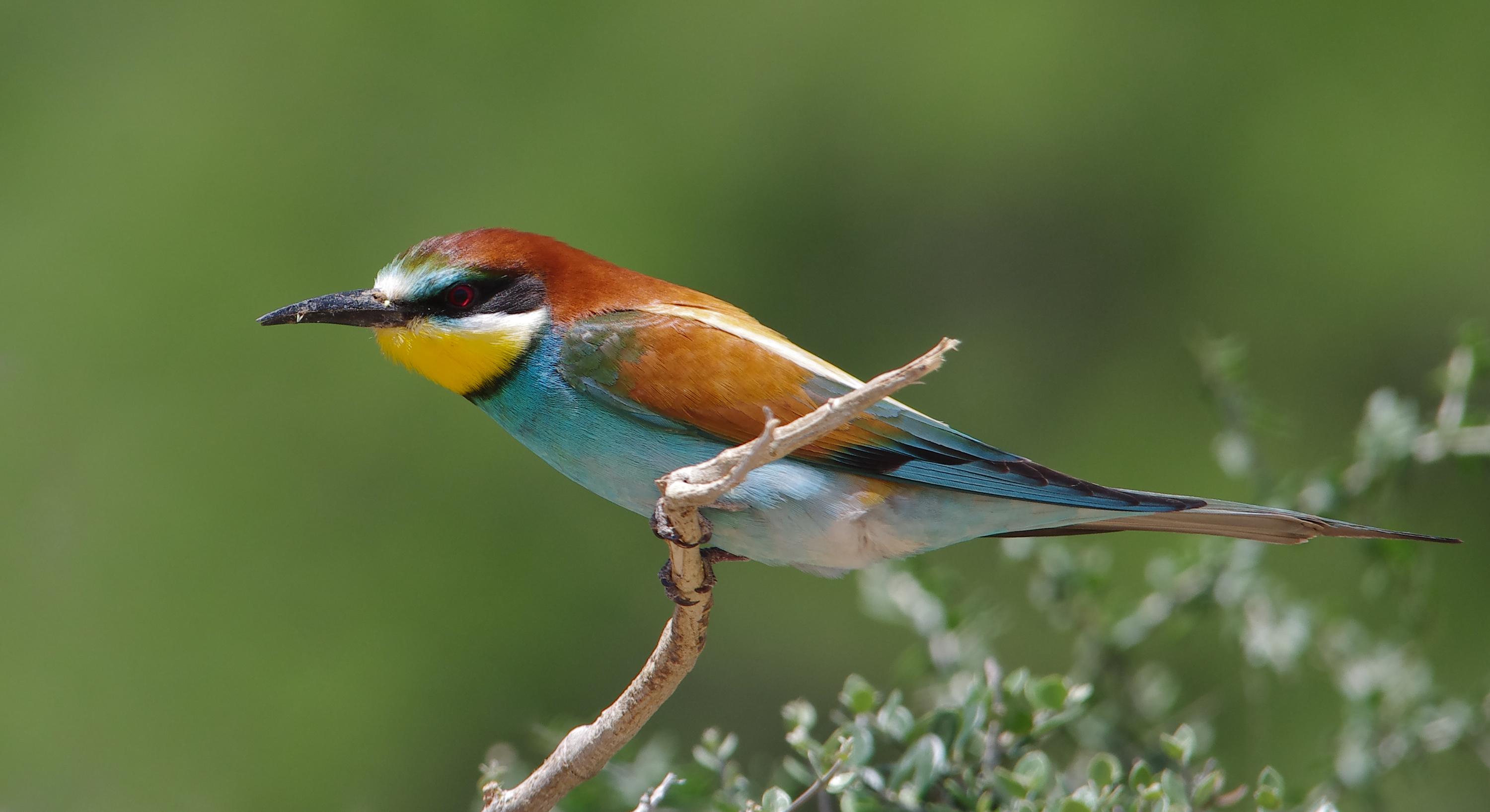
European Bee-eater
VUMerops apiaster

European feather grass
CRStipa pennata
European feather grass (Stipa pennata) faces severe decline primarily due to habitat loss from agricultural intensification and urban development across its native grassland ecosystems. The conversion of natural steppes and dry grasslands to cropland, combined with changes in traditional grazing practices, has fragmented and eliminated much of its suitable habitat. Climate change and invasive species further threaten remaining populations of this iconic grass species.

European Golden Plover
CRPluvialis apricaria
The European Golden Plover faces severe population declines due to widespread habitat loss from agricultural intensification and afforestation of its breeding moorlands and tundra. Climate change is shifting suitable habitat northward while coastal development and disturbance threaten critical wintering and stopover sites along migration routes.

European Green Woodpecker
VUPicus viridis
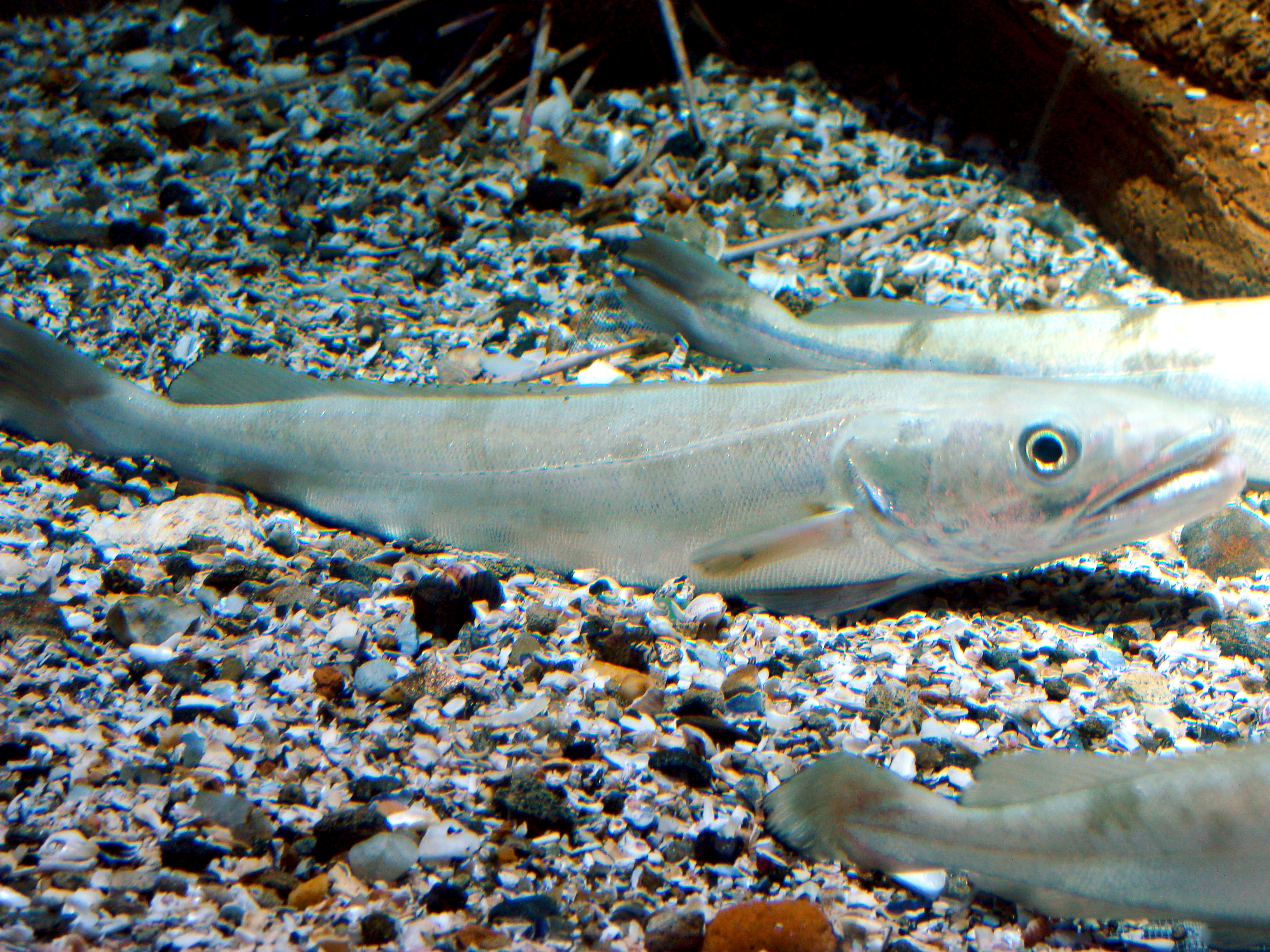
European hake, Hake
VUMerluccius merluccius
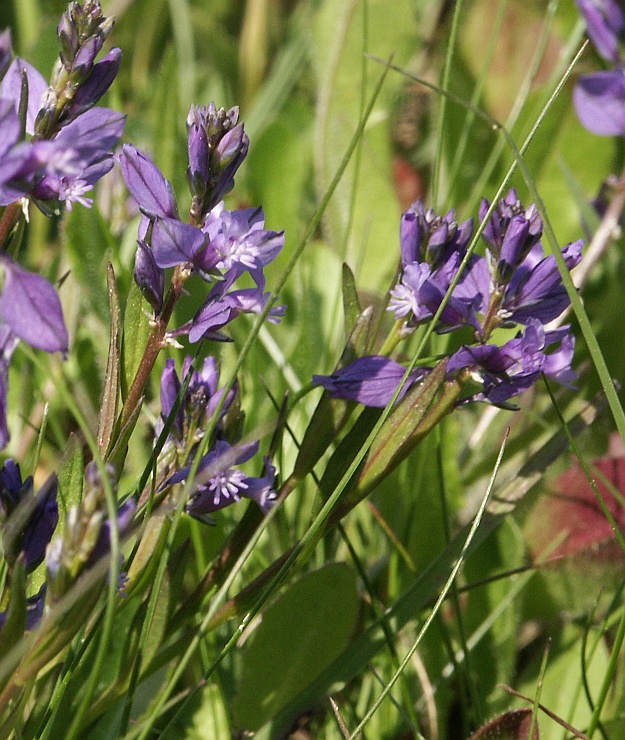
European Milkwort
VUPolygala vulgaris
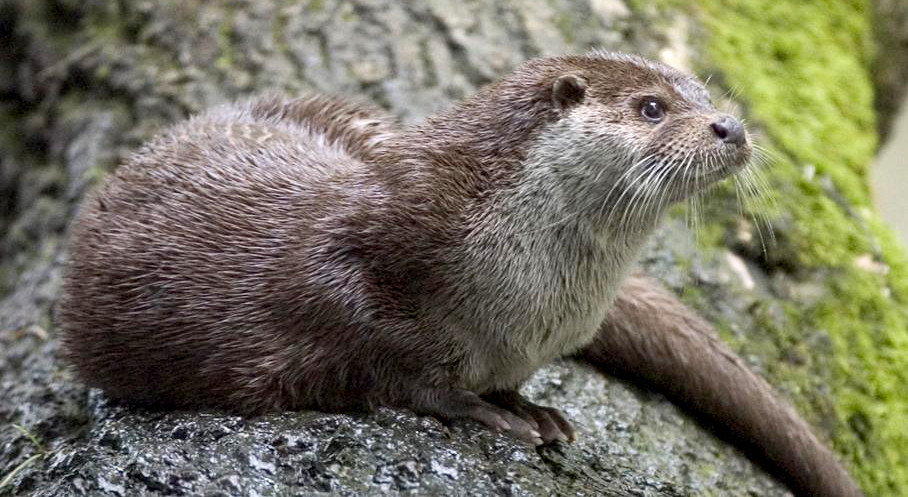
European Otter
VULutra lutra

European Red Wood Ant
VUFormica polyctena

European river lamprey, River Lamprey
VULampetra fluviatilis
European Serin
VUSerinus serinus

European Shag
VUPhalacrocorax aristotelis

European White-elm
CRUlmus laevis
European White-elm faces severe decline primarily due to Dutch elm disease, a devastating fungal infection spread by elm bark beetles that has decimated elm populations across Europe. Habitat loss from urbanization and agricultural expansion, along with hybridization with other elm species, further threatens the genetic integrity and survival of pure populations.
evens nålehinne
VUTubulicrinis evenii
Excentric Pinkgill
VUEntoloma excentricum

Eyed Longhorn Beetle
CROberea oculata
The Eyed Longhorn Beetle faces severe population decline primarily due to habitat loss and degradation of its specialized host plant environments. Urban development, agricultural expansion, and changes in land management practices have significantly reduced the availability of suitable breeding sites and food sources.
Fächerförmiger Zähling
VULentinellus flabelliformis
fåfjällig fibbla
CRHieracium oligolepium
Hieracium oligolepium faces severe threats from habitat loss due to agricultural intensification and urban development in its limited range. Climate change poses additional pressure through altered precipitation patterns and temperature shifts that affect its specialized alpine and subalpine habitat requirements.