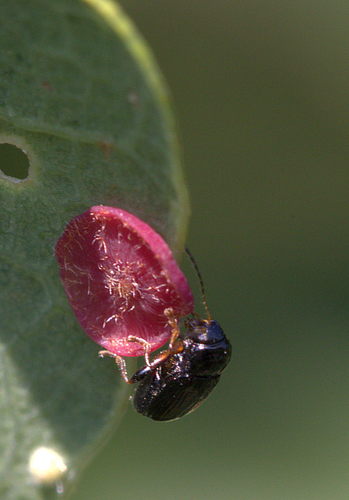
Cryptocephalus querceti
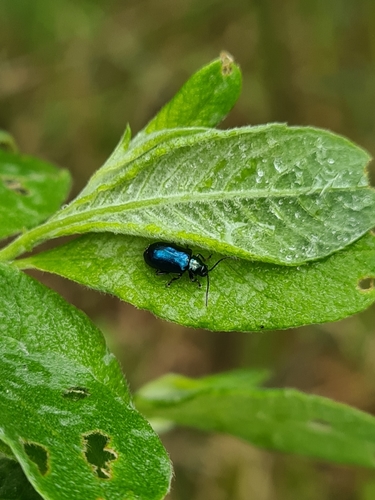
Photo: Photo: (c) Guido Bohne, some rights reserved (CC BY-SA), uploaded by Guido Bohne
Overview
The eikehettebladbille (Cryptocephalus querceti) is a small, metallic-colored leaf beetle with a distinctive rounded body shape and glossy bronze-green elytra. This specialized herbivore feeds exclusively on oak leaves and plays a crucial role in oak forest ecosystems as both a primary consumer and prey species for insectivorous birds and spiders.
Cryptocephalus querceti faces severe population decline primarily due to habitat loss and degradation of its specialized oak woodland environments. The species' narrow ecological requirements and limited distribution make it extremely vulnerable to environmental changes and human activities that fragment or destroy its preferred habitats.
Habitat
Cryptocephalus querceti inhabits mature oak forests and oak-dominated woodland edges, particularly favoring areas with diverse oak species composition and minimal human disturbance. The species requires continuous canopy cover and is most commonly found in forest stands that are at least 80-100 years old.
Other threatened species in Chrysomelidae
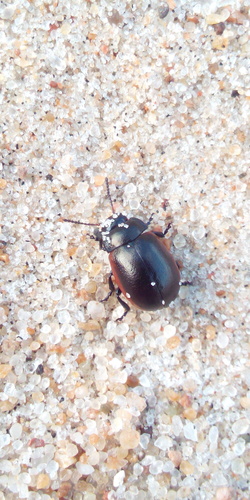
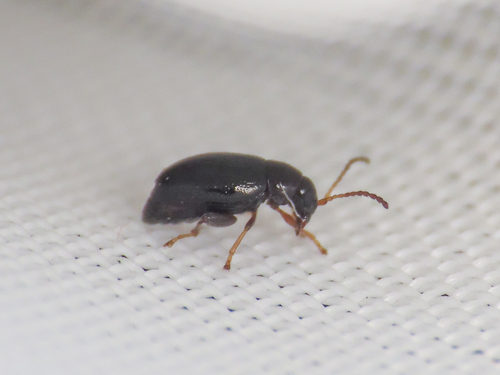
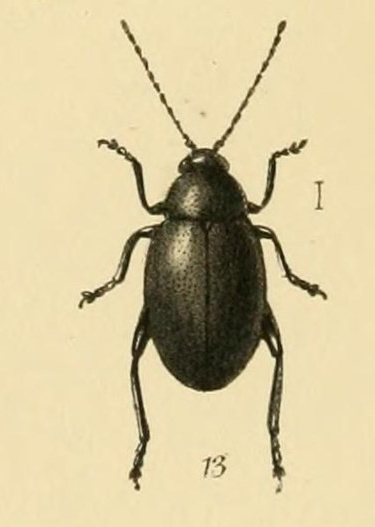
Threatened in Austria
Frequently asked questions
Why is Cryptocephalus querceti classified as Critically Endangered?
Where does Cryptocephalus querceti live?
What are the main threats to Cryptocephalus querceti?
Get weekly conservation intelligence
One short digest a week of the most striking species and country data we ship, plus breaking conservation news paired with our database where it matters.
Free, no spam. One-click unsubscribe in every email.