Royal Bell
Galerina heimansii
Overview
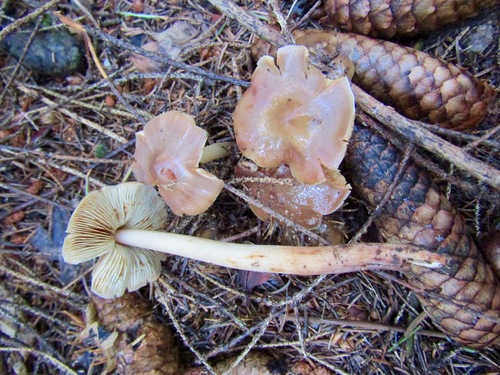
Galerina heimansii, commonly known as elzemosklokje, is a small brown mushroom species with a distinctive bell-shaped cap and slender stem. This saprophytic fungus plays a crucial ecological role in decomposing organic matter in forest ecosystems, particularly breaking down leaf litter and contributing to nutrient cycling in woodland environments.
Galerina heimansii faces significant threats from habitat degradation and loss of suitable woodland environments across its range. The species' dependence on specific substrate conditions and microhabitat requirements makes it particularly vulnerable to environmental changes and human disturbance of forest ecosystems.
Habitat
This fungal species occurs in deciduous and mixed woodlands, typically growing on decaying wood substrates and forest floor debris. It favors moist, shaded environments with stable humidity levels and specific decomposing organic matter conditions.
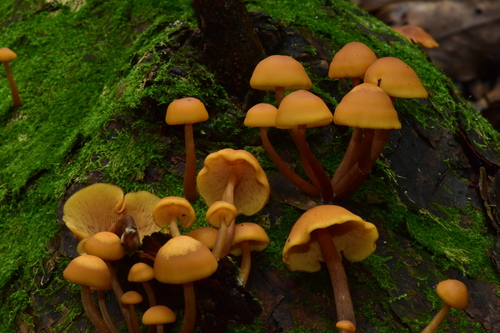
Other threatened species in Hymenogastraceae

Frequently asked questions
Why is Royal Bell classified as Vulnerable?
Where does Royal Bell live?
What are the main threats to Royal Bell?
Get weekly conservation intelligence
One short digest a week of the most striking species and country data we ship, plus breaking conservation news paired with our database where it matters.
Free, no spam. One-click unsubscribe in every email.