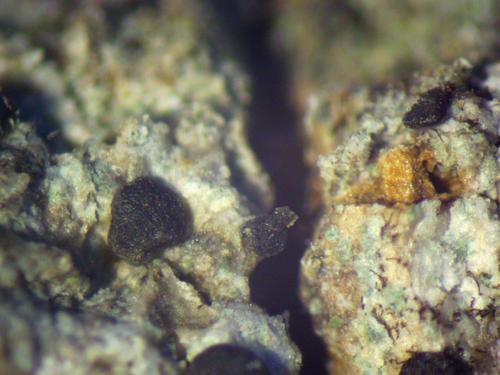
Biatora globulosa
Photo: Photo: (c) Valerii Darmostuk, some rights reserved (CC BY), uploaded by Valerii Darmostuk
Overview
Biatora globulosa is a crustose lichen species characterized by its distinctive globular, warty thallus surface and bright orange to reddish-brown apothecia. This small but ecologically important lichen forms thin crusts on rock surfaces and plays a crucial role in primary succession and nutrient cycling in harsh environments where few other organisms can survive.
Biatora globulosa is a critically endangered lichen species facing severe population declines due to habitat loss and environmental degradation. As a lichen, it is particularly vulnerable to air pollution and climate change, which disrupt the delicate symbiotic relationship between its fungal and algal components. The species' specialized habitat requirements make it extremely sensitive to even minor environmental changes.
Habitat
Biatora globulosa occurs exclusively on exposed siliceous rocks and boulder surfaces in montane and subalpine environments, typically at elevations between 800-2000 meters. The species requires specific microclimatic conditions with high humidity, clean air, and minimal direct sunlight, often found on north-facing rock faces and in sheltered crevices.
Other threatened species in Ramalinaceae
Frequently asked questions
Why is Biatora globulosa classified as Critically Endangered?
Where does Biatora globulosa live?
What are the main threats to Biatora globulosa?
Get weekly conservation intelligence
One short digest a week of the most striking species and country data we ship, plus breaking conservation news paired with our database where it matters.
Free, no spam. One-click unsubscribe in every email.