Bazzania flaccida
Overview
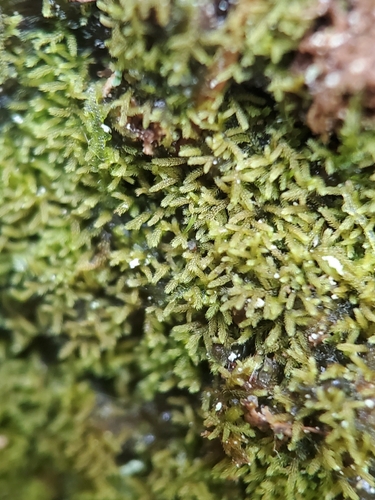
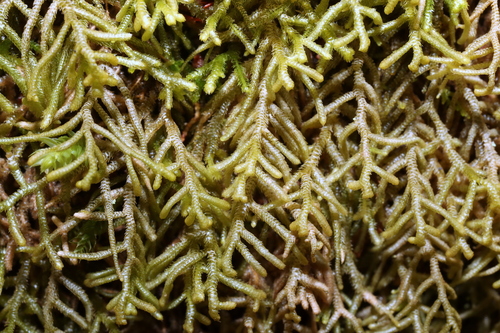
Entblößtes Peitschenmoos (Bazzania flaccida) is a leafy liverwort characterized by its distinctive whip-like branching pattern and flaccid, drooping shoots that give it its common name. This bryophyte forms loose, pale green to yellowish-green mats on substrates and plays an important ecological role in moisture retention and providing microhabitats for invertebrates in forest ecosystems.
Entblößtes Peitschenmoos faces significant threats from habitat degradation and loss of suitable forest environments. This bryophyte species is particularly vulnerable to changes in moisture levels and air quality, making it susceptible to climate change impacts and human disturbances in its specialized ecological niche.
Habitat
This liverwort species typically inhabits moist, shaded environments in temperate and boreal forests, growing on decaying logs, tree bases, and humid forest floors. It requires consistent moisture levels and low light conditions characteristic of old-growth or mature forest ecosystems.
Other threatened species in Lepidoziaceae

Frequently asked questions
Why is Bazzania flaccida classified as Vulnerable?
Where does Bazzania flaccida live?
What are the main threats to Bazzania flaccida?
Get weekly conservation intelligence
One short digest a week of the most striking species and country data we ship, plus breaking conservation news paired with our database where it matters.
Free, no spam. One-click unsubscribe in every email.