Singa hamata
Overview
Singa hamata, commonly known as the Épeire tubuleuse, is a small orb-weaver spider characterized by its distinctive tubular retreat constructed at the edge of its circular web. This species typically displays a brownish coloration with subtle markings and plays a crucial ecological role as both predator of small flying insects and prey for birds and other arthropods in wetland ecosystems.
Singa hamata faces severe population declines primarily due to habitat destruction and fragmentation of its specialized wetland environments. Agricultural intensification, urban development, and water pollution have significantly reduced the quality and extent of suitable breeding habitats for this orb-weaver spider.
Habitat
This species inhabits marshy areas, reed beds, and the vegetated margins of ponds, lakes, and slow-moving waterways where humidity levels remain consistently high. They construct their webs among tall grasses and emergent vegetation, typically 0.5-2 meters above the water surface.
Other threatened species in Araneidae

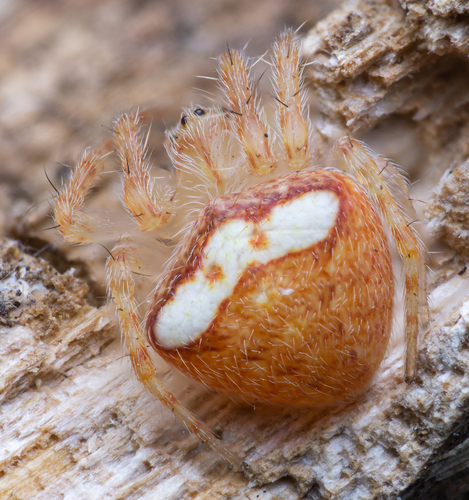

Threatened in Åland Islands

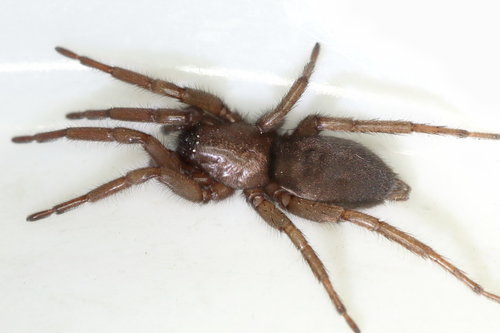

Frequently asked questions
Why is Singa hamata classified as Endangered?
Where does Singa hamata live?
What are the main threats to Singa hamata?
Get weekly conservation intelligence
One short digest a week of the most striking species and country data we ship, plus breaking conservation news paired with our database where it matters.
Free, no spam. One-click unsubscribe in every email.