Hieracium onosmoides
Overview
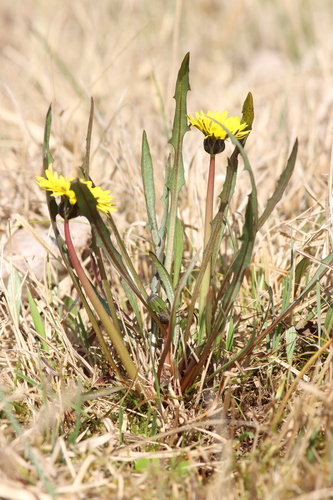
Hieracium onosmoides is a rare perennial herb in the hawkweed family, characterized by its distinctive hairy leaves and bright yellow composite flowers that bloom in summer. This endemic plant species plays a specialized ecological role as a nectar source for local pollinators and contributes to the unique botanical diversity of its restricted range.
Hieracium onosmoides is threatened primarily by habitat loss and degradation due to agricultural intensification, urban development, and changes in traditional land management practices in its limited alpine and subalpine range. The species' extremely restricted distribution makes it particularly vulnerable to localized threats and environmental changes.
Habitat
This species typically inhabits rocky limestone slopes, dry grasslands, and open scrublands at moderate to high elevations. It shows a preference for well-drained, calcareous soils in areas with Mediterranean or continental climate conditions.
Other threatened species in Asteraceae

Frequently asked questions
Why is Hieracium onosmoides classified as Endangered?
Where does Hieracium onosmoides live?
What are the main threats to Hieracium onosmoides?
Get weekly conservation intelligence
One short digest a week of the most striking species and country data we ship, plus breaking conservation news paired with our database where it matters.
Free, no spam. One-click unsubscribe in every email.