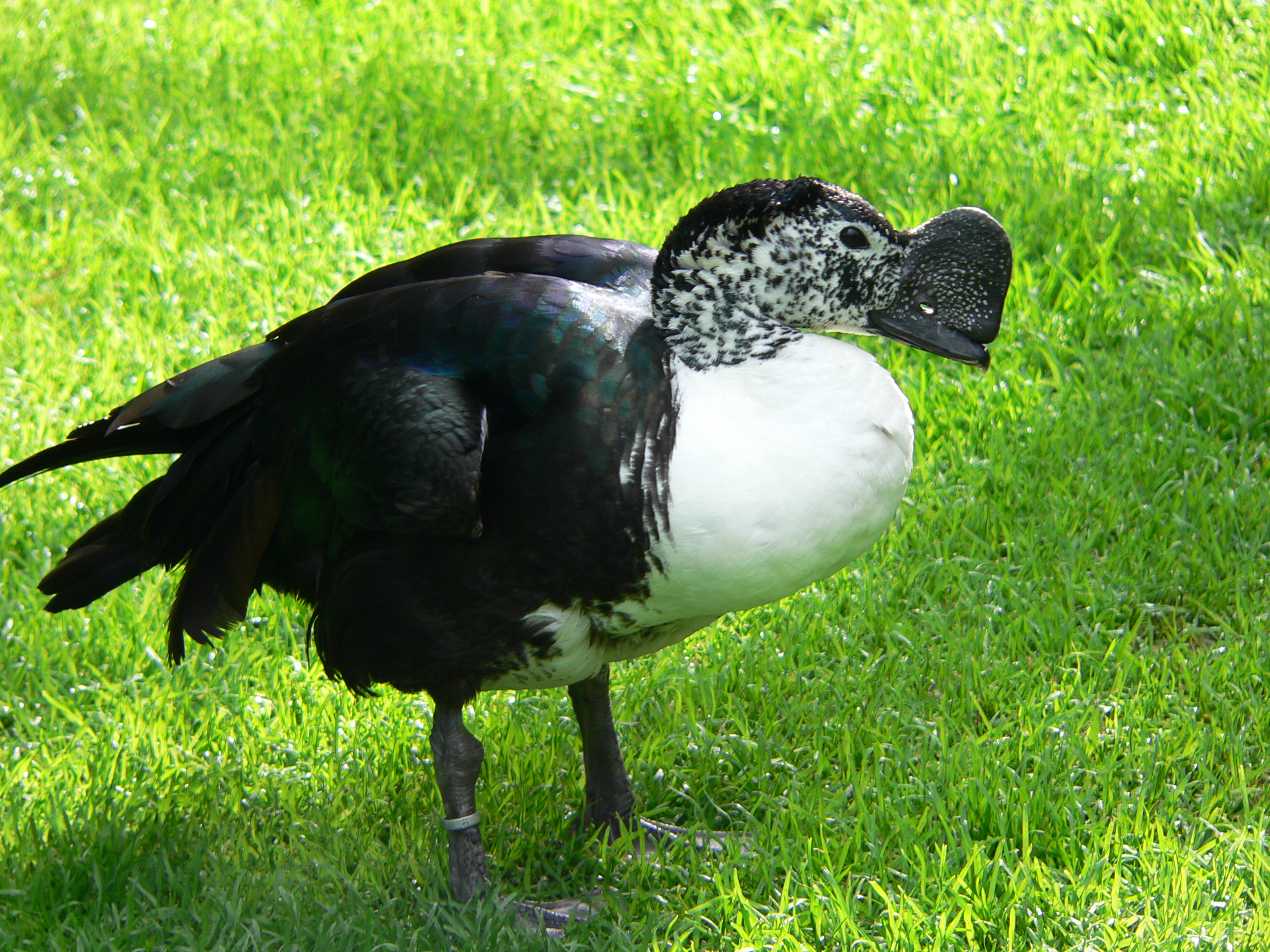
Comb Duck
Sarkidiornis sylvicola
Photo: Wikimedia Commons (CC) via https://en.wikipedia.org/wiki/Comb_duck
Overview
The comb duck or American comb duck, is an unusual duck found in tropical wetlands in continental South America south to the Paraguay River region in eastern Paraguay, southeastern Brazil and extreme northeastern Argentina, and as a vagrant on Trinidad.
The American Comb Duck faces significant pressure from widespread habitat loss and degradation of wetland ecosystems throughout its range in South America. Deforestation, agricultural expansion, and urban development have reduced available nesting sites and feeding areas, while hunting pressure and water pollution further threaten remaining populations.
Habitat
Freshwater wetlands, oxbow lakes, flooded forests, and riparian areas with dense vegetation cover throughout tropical South America. The species prefers shallow waters with abundant aquatic vegetation and nearby forest areas for roosting and nesting.
Other threatened species in Anatidae



Frequently asked questions
Why is Comb Duck classified as Vulnerable?
Where does Comb Duck live?
What are the main threats to Comb Duck?
Get weekly conservation intelligence
One short digest a week of the most striking species and country data we ship, plus breaking conservation news paired with our database where it matters.
Free, no spam. One-click unsubscribe in every email.