
Amami Woodcock
Scolopax mira
Photo: Wikimedia Commons (CC) via https://en.wikipedia.org/wiki/Amami_woodcock
Overview
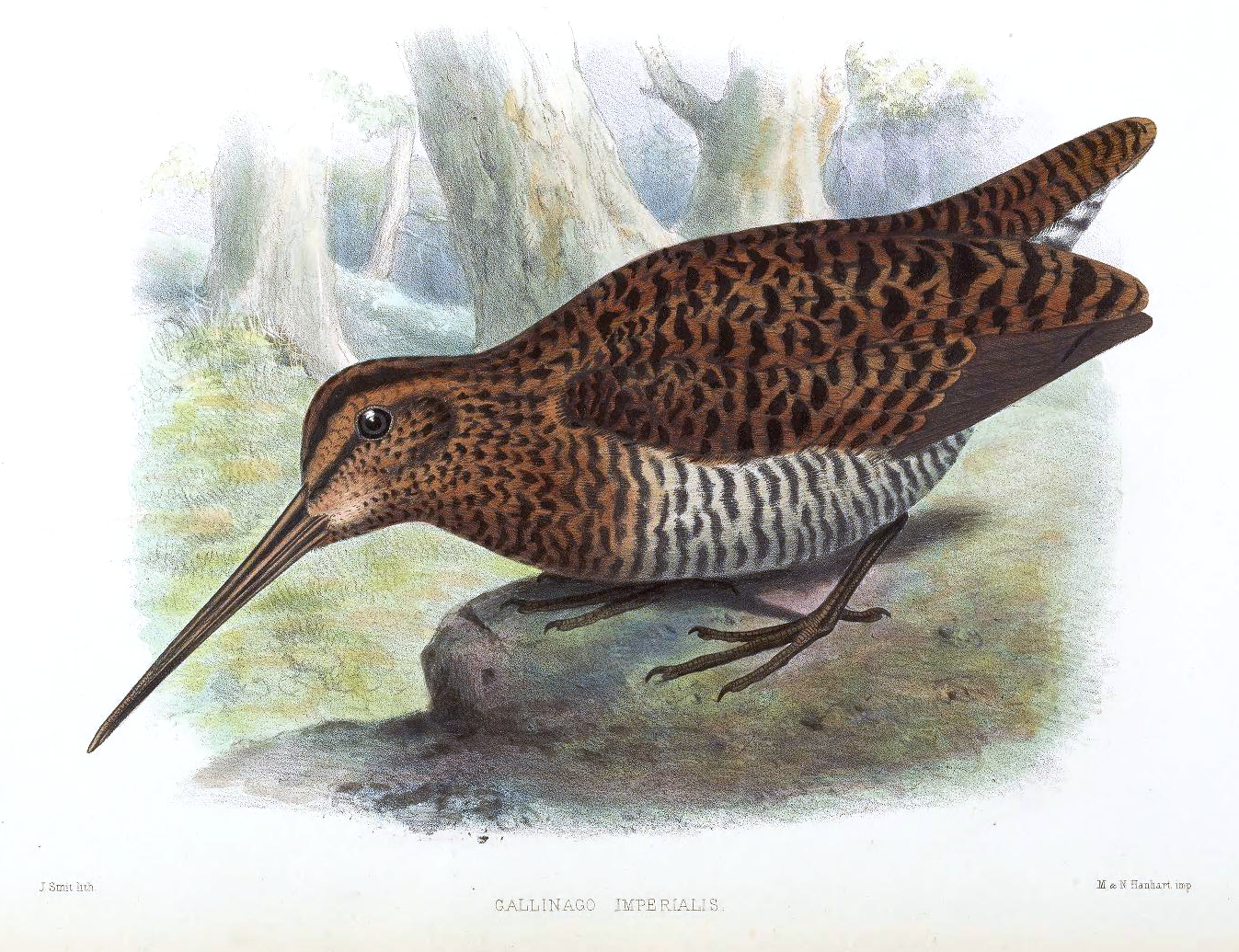
The Amami woodcock is a medium-sized wader. It is slightly larger and longer-legged than the Eurasian woodcock.
The Amami Woodcock faces significant threats primarily due to its extremely limited range, being endemic to just a few islands in the Ryukyu archipelago of Japan. Habitat loss and degradation from deforestation, agricultural expansion, and urban development have reduced available forest areas, while introduced predators such as cats and mongooses pose additional pressure on this ground-nesting species.
Habitat
Dense subtropical evergreen forests with thick understory vegetation, primarily in mountainous areas of Amami Oshima and Tokunoshima islands. The species prefers moist forest floors with rich leaf litter and soft soil suitable for probing for invertebrates.
Other threatened species in Scolopacidae


Frequently asked questions
Why is Amami Woodcock classified as Vulnerable?
Where does Amami Woodcock live?
What are the main threats to Amami Woodcock?
Get weekly conservation intelligence
One short digest a week of the most striking species and country data we ship, plus breaking conservation news paired with our database where it matters.
Free, no spam. One-click unsubscribe in every email.