
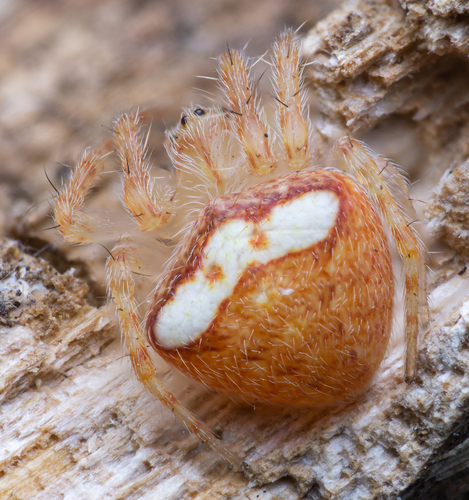
Singa nitidula
Photo: iNaturalist: (c) Rudi Ritt, all rights reserved, uploaded by Rudi Ritt
Overview
Singa nitidula, known as the älvglansspindel or shiny stream spider, is a small orb weaver spider with a distinctive glossy, dark carapace and pale markings on its abdomen. This semi-aquatic arachnid constructs delicate webs near water sources to capture flying insects, playing a crucial role in controlling populations of midges, mosquitoes, and other aquatic-emerging diptera.
Singa nitidula faces severe population declines primarily due to habitat loss and degradation of its specialized wetland environments. The species is particularly vulnerable to water pollution, drainage of wetlands, and changes in water quality that affect its prey base and web-building sites.
Habitat
This species inhabits the vegetation immediately adjacent to clean, slow-moving streams and rivers, particularly favoring areas with overhanging grasses and sedges. It requires pristine riparian zones with stable water levels and minimal human disturbance.
Other threatened species in Araneidae

Threatened in Algeria


Frequently asked questions
Why is Singa nitidula classified as Endangered?
Where does Singa nitidula live?
What are the main threats to Singa nitidula?
Get weekly conservation intelligence
One short digest a week of the most striking species and country data we ship, plus breaking conservation news paired with our database where it matters.
Free, no spam. One-click unsubscribe in every email.