
Ambrosia beetle
Xyleborus monographus
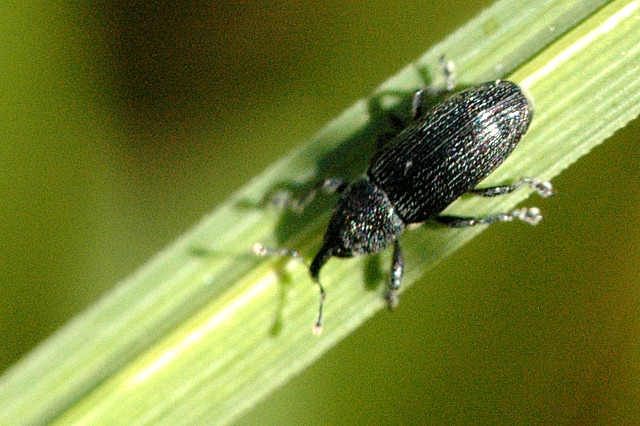
Photo: Photo: Wikimedia Commons, CC BY-SA
Overview
Xyleborus monographus is a species of ambrosia beetle belonging to the subfamily Scolytinae. These small wood-boring beetles are characterized by their symbiotic relationship with fungi, which they cultivate within galleries they excavate in host trees. The fungi serve as their primary food source, distinguishing them from bark beetles that feed directly on plant tissues.
X. monographus exhibits the typical ambrosia beetle behavior of creating intricate tunnel systems within wood, where females establish fungal gardens to support their developing larvae. The species demonstrates a complex life cycle involving multiple generations per year under favorable conditions.
Like other members of its genus, X. monographus likely shows a preference for specific host tree species and environmental conditions. The beetle's critically endangered status reflects severe population pressures that have brought the species to the brink of extinction.
The unknown population trend indicates significant knowledge gaps regarding current demographic patterns and distribution. Threats to the species likely include habitat destruction, forest fragmentation, climate change impacts on host trees, and potential disruption of the delicate fungal symbiosis essential to their survival. The specialized nature of ambrosia beetle ecology makes them particularly vulnerable to environmental changes that affect either their host trees or fungal partners.
Conservation efforts for this species would require detailed ecological research to understand habitat requirements, host specificity, and population dynamics. Protection of remaining suitable forest habitats and maintenance of healthy forest ecosystems are likely critical for species recovery.
The primary threats to Xyleborus monographus include habitat loss through deforestation and forest degradation, which eliminates suitable host trees necessary for the species' survival. Climate change may disrupt the delicate balance between the beetle, its host trees, and the symbiotic fungi it depends upon for nutrition. The specialized ecological requirements of ambrosia beetles make them particularly vulnerable to environmental disturbances that affect forest ecosystem integrity.
Habitat
Xyleborus monographus inhabits forest environments where it colonizes suitable host trees, creating gallery systems within the wood tissue. The species requires healthy forest ecosystems that support both appropriate host tree species and the fungal partners essential to its survival.
Other threatened species in Curculionidae

Frequently asked questions
Why is Ambrosia beetle classified as Critically Endangered?
Where does Ambrosia beetle live?
What are the main threats to Ambrosia beetle?
Get weekly conservation intelligence
One short digest a week of the most striking species and country data we ship, plus breaking conservation news paired with our database where it matters.
Free, no spam. One-click unsubscribe in every email.