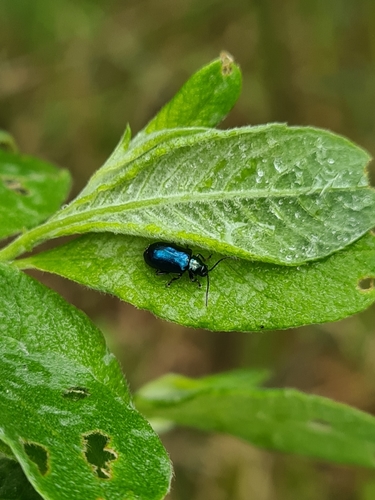
Altica tamaricis
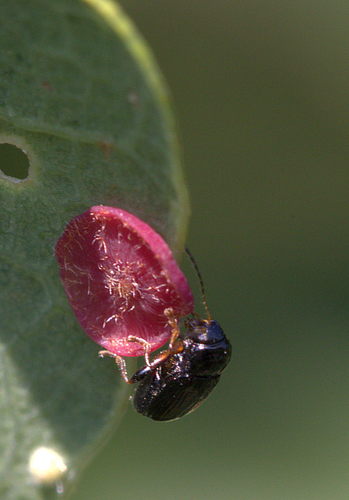
Photo: iNaturalist: (c) Rytis, some rights reserved (CC BY-NC), uploaded by Rytis
Overview
The älvstrandsjordloppa is a small beetle belonging to the flea beetle family (Chrysomelidae). This diminutive insect measures approximately 3-4 millimeters in length and displays the characteristic metallic sheen typical of Altica species. Like other flea beetles, it possesses enlarged hind legs that enable it to jump considerable distances when disturbed.
The species feeds primarily on tamarisk plants (Tamarix species), with both adults and larvae consuming leaves and stems.
This beetle inhabits riparian zones along rivers and streams in northern Europe, particularly areas where tamarisk shrubs grow naturally along sandy or gravelly shorelines. Its Swedish name translates to "river shore earth flea," reflecting its specific habitat requirements for waterside environments with suitable host plants.
The species' critically endangered status stems from habitat degradation and loss of natural river ecosystems. River regulation, including dam construction and channelization, has significantly altered the dynamic flood patterns that maintain the open, disturbed habitats where tamarisk thrives. Additionally, invasive plant species have displaced native tamarisk populations in many areas, eliminating the beetle's primary food source.
Current conservation efforts focus on habitat restoration and protection of remaining riparian corridors. Some European countries have implemented river restoration projects aimed at recreating natural flood dynamics, though specific programs targeting this beetle remain limited.
The outlook for älvstrandsjordloppa remains uncertain due to insufficient population data and ongoing habitat pressures. Without comprehensive monitoring and targeted conservation measures, the species faces continued decline as suitable habitats become increasingly fragmented and rare.
The threats to älvstrandsjordloppa (Altica tamaricis) have not been assessed, meaning scientists have not yet studied or documented what specific dangers this species faces in the wild. Without this assessment, it's unclear whether the threats to this species are getting worse, staying the same, or improving over time.
Other threatened species in Chrysomelidae
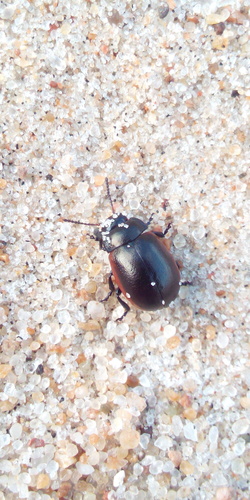
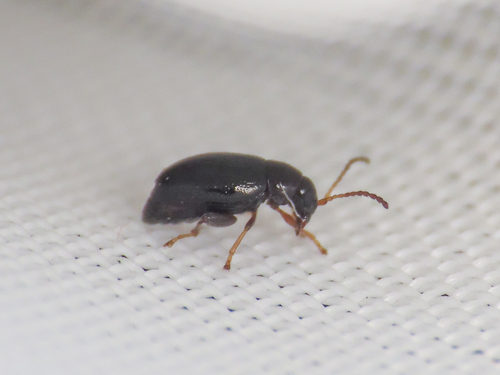
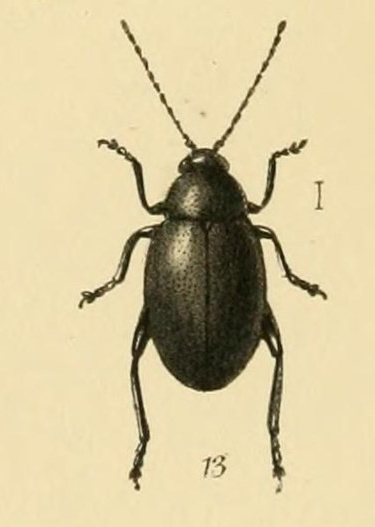
Threatened in Austria
Frequently asked questions
Why is Altica tamaricis classified as Critically Endangered?
Where does Altica tamaricis live?
What are the main threats to Altica tamaricis?
Get weekly conservation intelligence
One short digest a week of the most striking species and country data we ship, plus breaking conservation news paired with our database where it matters.
Free, no spam. One-click unsubscribe in every email.