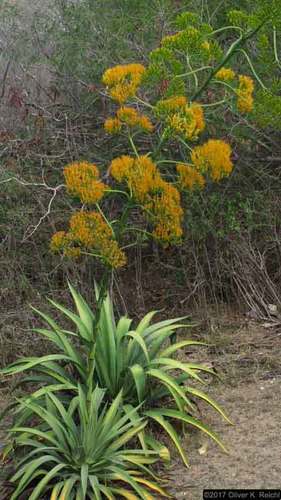
Angular Solomon's-seal
Polygonatum odoratum
**Angular Solomon's-seal (Polygonatum odoratum)** Angular Solomon's-seal is a perennial herbaceous plant characterized by its distinctive arching stems that grow 30-80 cm tall. The plant produces alternate, oval leaves arranged along angular, ridged stems, distinguishing it from related species with round stems.
Photo: Wikimedia Commons (CC) via https://en.wikipedia.org/wiki/Polygonatum_odoratum
Taxonomy & Classification
Kingdom
Plantae
Phylum
Tracheophyta
Class
Liliopsida
Order
Asparagales
Family
Asparagaceae
Genus
Polygonatum
Angular Solomon's-seal belongs to the family Asparagaceae, order Asparagales, within the Liliopsida class.
Species Profile
**Angular Solomon's-seal (Polygonatum odoratum)** Angular Solomon's-seal is a perennial herbaceous plant characterized by its distinctive arching stems that grow 30-80 cm tall. The plant produces alternate, oval leaves arranged along angular, ridged stems, distinguishing it from related species with round stems. Small, fragrant white flowers hang in clusters beneath the leaves during late spring, followed by dark blue-black berries. The plant spreads through underground rhizomes, forming colonies in suitable habitat. This species inhabits deciduous and mixed woodlands, preferring partially shaded areas with well-drained, calcareous soils. Historically distributed across Europe and parts of Asia, Angular Solomon's-seal has experienced significant range contractions in many regions. It typically grows in ancient woodland sites, forest edges, and scrubland areas where soil conditions remain stable. The species faces multiple pressures contributing to its Critically Endangered status. Habitat fragmentation through deforestation and urban development has eliminated many woodland sites. Agricultural intensification has converted traditional forest margins to cropland, while changes in woodland management practices have altered light and soil conditions. Climate change may be affecting the specific temperature and moisture requirements this species needs for successful reproduction. Conservation efforts focus primarily on habitat protection and restoration within existing woodland reserves. Some botanical gardens maintain ex-situ collections to preserve genetic diversity. However, comprehensive population monitoring and threat assessment remain limited, hampering targeted conservation planning. The current outlook remains uncertain due to insufficient population data and ongoing habitat pressures. Without enhanced monitoring and habitat protection measures, further population declines appear likely across much of the species' remaining range.
Based on the available information, the primary threats to Angular Solomon's-seal have not been formally assessed or documented by conservation scientists. Without a proper threat assessment, it's unclear what specific dangers this plant species may be facing in the wild, such as habitat destruction, climate change impacts, or human activities. The status of whether threats are increasing, stable, or decreasing cannot be determined without this essential threat data.
Key Facts
Habitat & Distribution
Threats
IUCN Red List: Critically Endangered
Based on the available information, the primary threats to Angular Solomon's-seal have not been formally assessed or documented by conservation scientists. Without a proper threat assessment, it's unclear what specific dangers this plant species may be facing in the wild, such as habitat destruction, climate change impacts, or human activities. The status of whether threats are increasing, stable, or decreasing cannot be determined without this essential threat data.
Detailed threat classification data is sourced from IUCN assessments as they become available.
National vs Global Threat Status
How this species is assessed at the national level compared to its IUCN global status (CR).
| Country | National Status | Global Status | Comparison |
|---|---|---|---|
| EU | LCLeast Concern | CRCritically Endangered | Lower local risk |
| EU | LCLeast Concern | CRCritically Endangered | Lower local risk |
National Red List data sourced from the National Red List Project (nationalredlist.org, ZSL) and country-specific Red List authorities.
Community Sightings
Report a sightingNo community sightings yet. Be the first to report!
Sources & Attribution
How to Cite
IUCN: IUCN (2025). The IUCN Red List of Threatened Species. Version 2025-1. Available at: https://www.iucnredlist.org. doi:10.2305/IUCN.UK.2025-1.RLTS
GBIF: GBIF.org (2025). GBIF Home Page. Available at: https://www.gbif.org
National Red Lists: ZSL (2025). National Red List. Zoological Society of London. Available at: https://www.nationalredlist.org
This page: SpeciesRadar (2025). Angular Solomon's-seal (Polygonatum odoratum). SpeciesRadar: Intelligence for Earth's Biodiversity. Available at: https://speciesradar.org/species/angular-solomons-seal