anemone coral
Goniopora cellulosa
Overview
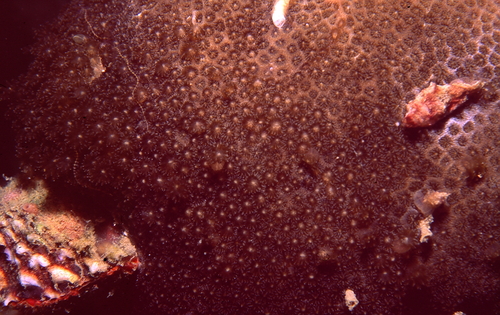
Goniopora cellulosa is a hard coral species belonging to the family Poritidae, characterized by its distinctive flower-like polyps with numerous tentacles that extend during feeding. This colonial coral forms rounded or dome-shaped structures with a porous, cellular skeleton that gives it its species name. As a reef-building coral, it plays a crucial role in creating habitat structure for diverse marine communities and contributing to coral reef ecosystem health.
Goniopora cellulosa faces significant threats from ocean warming and acidification, which cause coral bleaching and reduce calcification rates essential for skeletal growth. Coastal development, pollution, and destructive fishing practices further degrade reef habitats, while the species' slow growth rate limits its ability to recover from disturbances.
Habitat
This species inhabits shallow tropical coral reef environments in the Indo-Pacific, typically found on reef slopes and lagoons at depths ranging from 5 to 30 meters. It prefers areas with moderate water flow and clear, warm waters with stable salinity levels.
Other threatened species in Poritidae
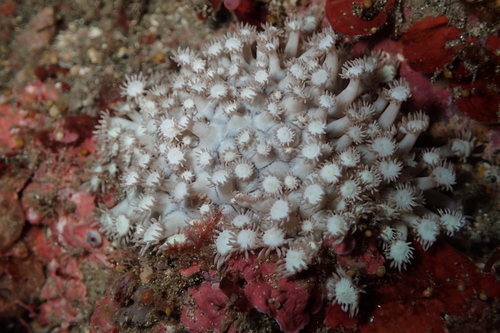
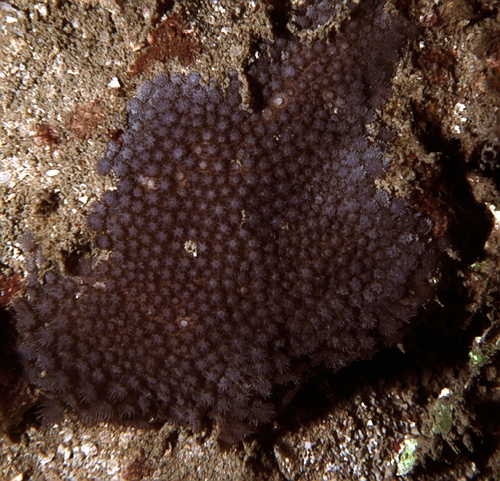
Threatened in Japan

Frequently asked questions
Why is anemone coral classified as Vulnerable?
Where does anemone coral live?
What are the main threats to anemone coral?
Get weekly conservation intelligence
One short digest a week of the most striking species and country data we ship, plus breaking conservation news paired with our database where it matters.
Free, no spam. One-click unsubscribe in every email.