
Amboli Bush Frog
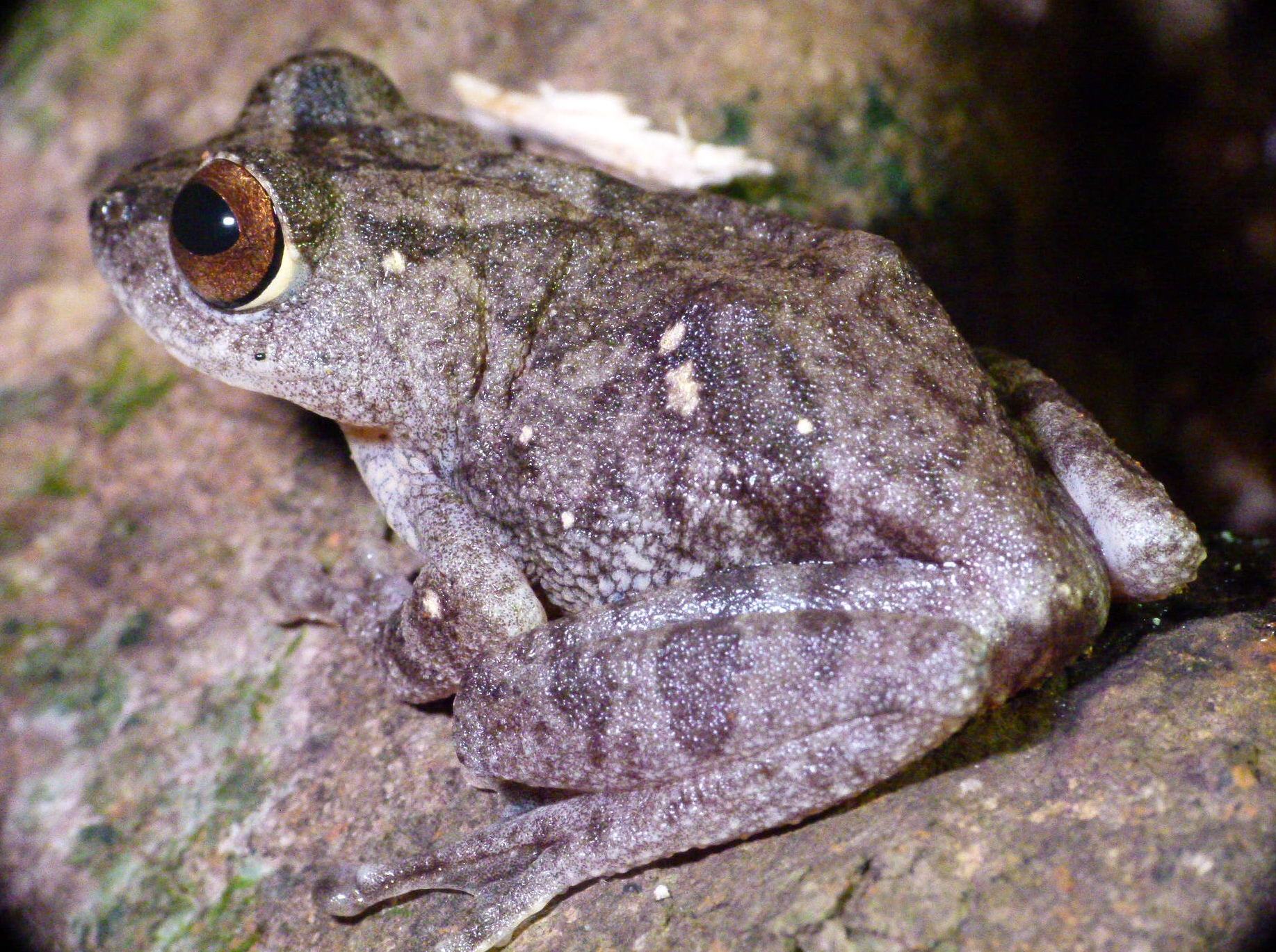
Pseudophilautus amboli
Photo: Wikimedia Commons (CC) via https://en.wikipedia.org/wiki/Pseudophilautus_amboli
Overview
The Amboli Bush Frog (Pseudophilautus amboli) is a critically endangered amphibian endemic to the Western Ghats of India, specifically known from the Amboli region of Maharashtra. This small arboreal frog belongs to the family Rhacophoridae and exhibits the characteristic features of bush frogs, including adhesive toe pads that enable it to navigate the vertical surfaces of its forest habitat. The species displays cryptic coloration with mottled brown and green patterns that provide excellent camouflage among the moss-covered branches and leaves of its montane forest environment.
Adults typically measure 20-25 millimeters in snout-vent length, making them among the smaller members of their genus. The Amboli Bush Frog inhabits the high-elevation evergreen forests of the Sahyadri mountain range, where it depends on the region's characteristic high humidity and consistent moisture levels. These frogs are primarily nocturnal, becoming active during the monsoon season when breeding occurs.
Males produce distinctive calls from elevated perches on shrubs and small trees, typically 1-3 meters above ground. The species' classification as Critically Endangered reflects its extremely restricted range and the ongoing pressures facing its specialized habitat. However, the Amboli region's recognition as an important biodiversity hotspot has led to increased conservation awareness, and local ecotourism initiatives are beginning to highlight the area's unique amphibian fauna.
Recent surveys by herpetologists have documented the species' persistence in suitable habitat patches, offering hope that targeted conservation measures could help stabilize populations of this remarkable endemic frog.
The Amboli Bush Frog faces severe threats from habitat degradation due to expanding tourism infrastructure and road development in the Amboli plateau region. Unregulated construction of resorts and widening of access roads has fragmented the species' already limited montane forest habitat. Climate change poses an additional risk, as altered precipitation patterns during monsoon seasons could disrupt the frog's moisture-dependent breeding cycles and reduce the humid microhabitats essential for its survival.
Habitat
This species inhabits high-elevation evergreen forests in the Western Ghats, specifically in areas with dense canopy cover and high humidity levels typical of montane cloud forests. The frogs are found on vegetation 1-3 meters above ground, particularly favoring moss-covered branches and shrubs in areas with consistent moisture and minimal direct sunlight.
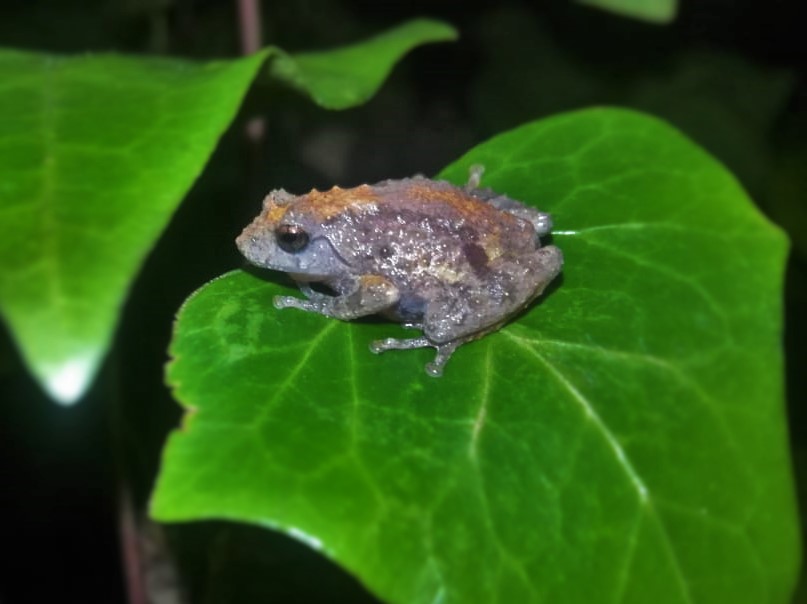
Other threatened species in Rhacophoridae


Frequently asked questions
Why is Amboli Bush Frog classified as Critically Endangered?
Where does Amboli Bush Frog live?
What are the main threats to Amboli Bush Frog?
Get weekly conservation intelligence
One short digest a week of the most striking species and country data we ship, plus breaking conservation news paired with our database where it matters.
Free, no spam. One-click unsubscribe in every email.