Species Explorer
Browse and search species from the IUCN Red List and GBIF.
54,666 species
Bartoni kardsalmler
ENBrycinus bartoni
Brycinus bartoni faces severe population declines primarily due to habitat degradation from agricultural expansion, deforestation, and water pollution in its limited range. The species is particularly vulnerable due to its restricted distribution and specialized habitat requirements in West African freshwater systems.
Basecamp Giant Glass Frog
ENCentrolene hesperium
The Basecamp Giant Glass Frog faces severe population declines primarily due to habitat destruction from deforestation and agricultural expansion in its limited montane forest range. Climate change poses an additional threat by altering the specific temperature and humidity conditions required by this high-elevation specialist species.

Bath White
VUPontia edusa
The Bath White butterfly is declining primarily due to habitat loss and degradation of its preferred chalk downlands and limestone grasslands through agricultural intensification and urban development. Climate change is also affecting the species by altering the distribution and phenology of its host plants, while changes in land management practices have reduced the availability of suitable breeding sites.
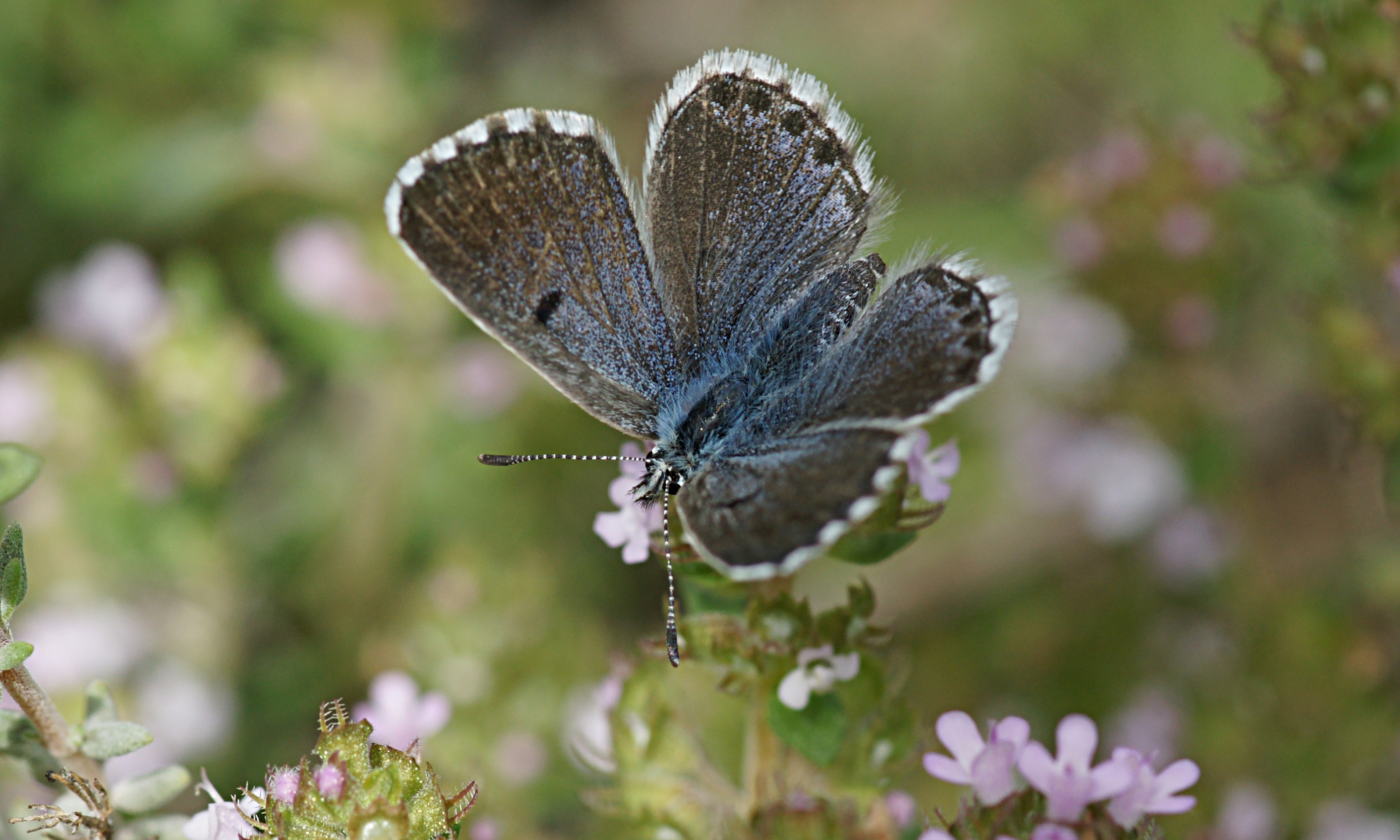
Baton Blue
VUPseudophilotes baton
The Baton Blue butterfly faces significant threats from habitat loss and fragmentation due to agricultural intensification, urbanization, and changes in traditional land management practices. Climate change poses additional risks by altering the distribution and phenology of its host plants and affecting the delicate ecological relationships this specialized species depends upon.
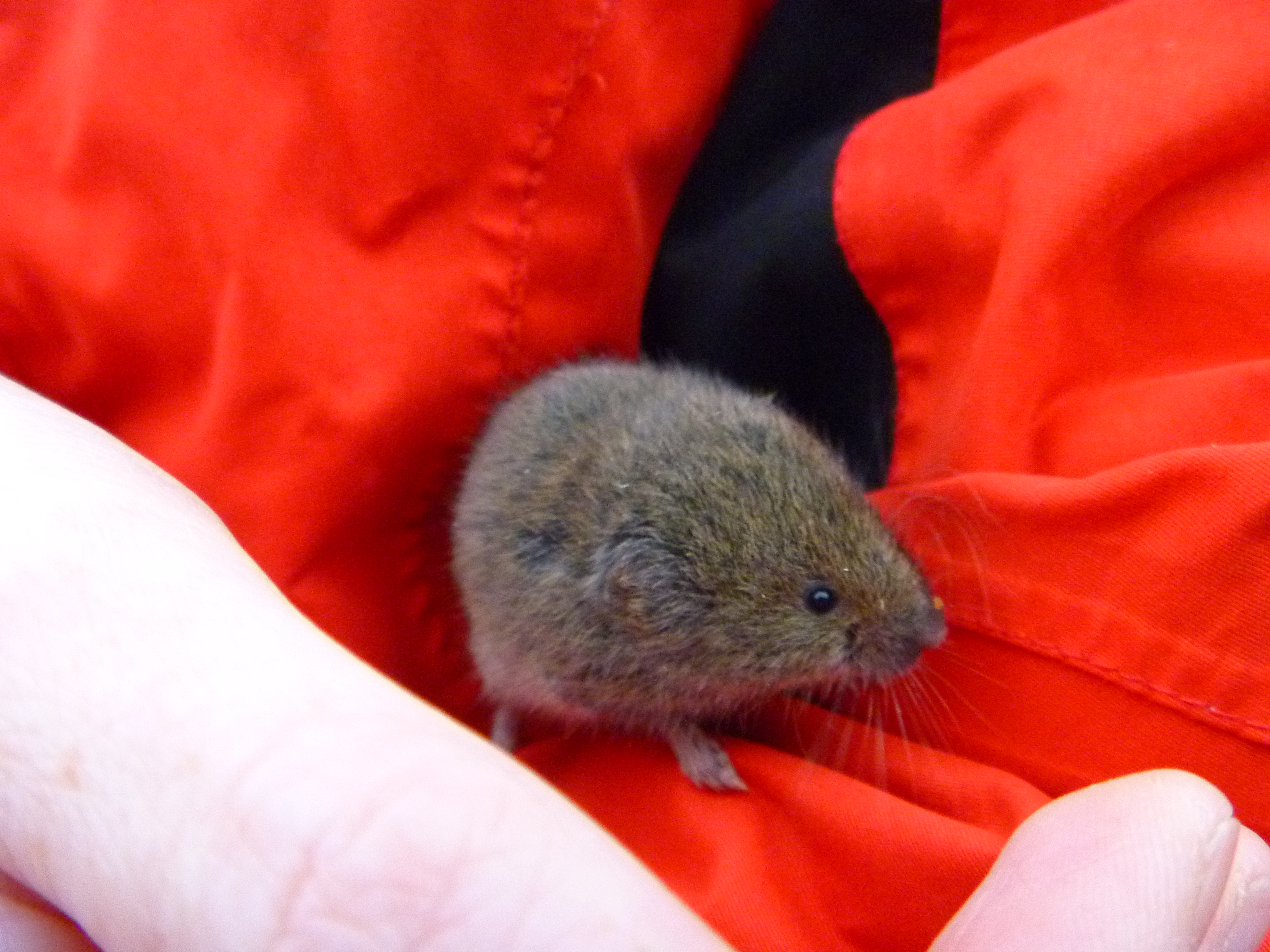
Bavarian Vole
CRMicrotus bavaricus
The Bavarian Vole is critically endangered due to its extremely restricted range in the Austrian and German Alps, where it occupies only a few high-altitude meadow sites above 1000 meters elevation. Climate change poses the most severe threat as warming temperatures force alpine vegetation zones upward, reducing and fragmenting the species' already limited suitable habitat. Additional pressures from tourism development, grazing, and habitat degradation further threaten the remaining populations.

Bavius Blue
CRPseudophilotes bavius
The Bavius Blue butterfly faces severe population declines primarily due to habitat loss and degradation of its specialized Mediterranean scrubland ecosystems. Agricultural intensification, urban development, and changes in traditional land management practices have fragmented and destroyed the specific host plant communities this species depends on for reproduction.

Bay-capped Wren-Spinetail
VUSpartonoica maluroides
The Bay-capped Wren-Spinetail faces significant threats from habitat loss and degradation due to agricultural expansion, cattle ranching, and urban development across its range in South America's grasslands and wetlands. Climate change poses additional risks by altering precipitation patterns and water levels in the marshy habitats this species depends on. Conservation status may vary by region or assessment authority, but populations are declining due to the conversion of native grasslands to cropland and pasture.

Bay-vented Cotinga
VUDoliornis sclateri
The Bay-vented Cotinga faces significant threats from habitat loss and fragmentation due to deforestation, mining activities, and agricultural expansion within its restricted Andean cloud forest range. Its specialized habitat requirements and limited distribution make it particularly vulnerable to environmental changes and human encroachment.
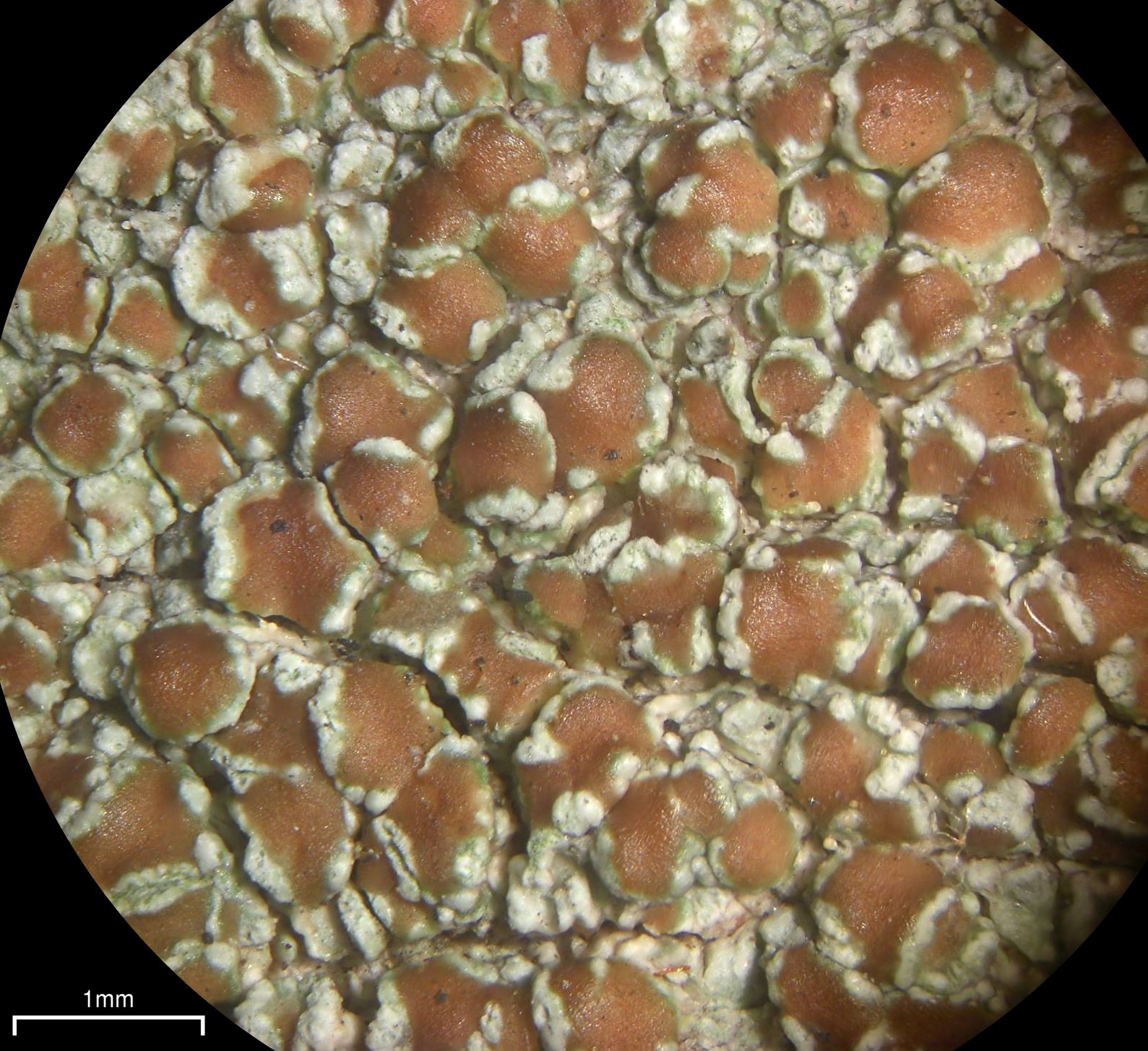
Beaded Rim-lichen
ENLecanora cinereofusca
Beaded Rim-lichen (Lecanora cinereofusca) is declining primarily due to air pollution and habitat degradation affecting its specialized substrate requirements. Urban development and industrial activities have reduced suitable habitat and altered air quality conditions necessary for this sensitive lichen species.
Beaked Beardless-moss
CRWeissia rostellata
Beaked Beardless-moss (Weissia rostellata) is critically endangered primarily due to habitat loss and degradation of its specialized calcareous grassland and limestone environments. The species faces severe pressure from agricultural intensification, urban development, and changes in land management practices that alter the delicate soil chemistry and microhabitat conditions it requires.

Bean Goose
VUAnser fabalis
Bean Geese face significant pressure from habitat loss due to agricultural intensification and wetland drainage across their breeding and wintering grounds. Climate change is altering the timing of migration and affecting food availability, while hunting pressure in some regions continues to impact population numbers.
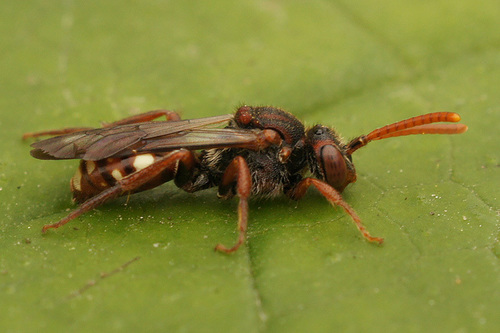
Bear-clawed Nomad Bee
CRNomada baccata
The Bear-clawed Nomad Bee faces severe population declines primarily due to habitat loss from agricultural intensification and urban development, which destroys the specialized nesting sites of its host bee species. Climate change and pesticide use further compound these pressures, disrupting the delicate ecological relationships this parasitic bee depends upon for survival.

Bearded Guan
VUPenelope barbata
The Bearded Guan faces significant pressure from habitat loss due to deforestation and agricultural expansion throughout its range in the cloud forests of the Andes. Hunting pressure for subsistence and commercial purposes has further reduced populations, while the species' restricted range and specific habitat requirements make it particularly vulnerable to environmental changes.

Bearded Pawwort
CRBarbilophozia barbata
Bearded Pawwort (Barbilophozia barbata) is critically endangered primarily due to habitat loss and degradation of its specialized montane and arctic environments. Climate change poses a severe threat by altering temperature and moisture regimes essential for this bryophyte's survival, while human activities continue to fragment and destroy its limited remaining habitats.

Bearded Tit
VUPanurus biarmicus
The Bearded Tit faces significant threats from habitat loss and degradation of its specialized reed bed environments, which are increasingly fragmented and destroyed by drainage, development, and agricultural conversion. Climate change poses additional risks through altered water levels and extreme weather events that can devastate breeding colonies, while the species' highly specialized habitat requirements make it particularly vulnerable to environmental changes.

Beau carabique à lunule
CRCallistus lunatus
Callistus lunatus, a ground beetle species, faces severe population decline primarily due to habitat loss and degradation of its specialized coastal and sandy habitat requirements. The species' extremely limited distribution makes it particularly vulnerable to local environmental changes and human disturbance. Climate change and coastal development pose additional pressures on the remaining suitable habitat patches.

Beautiful Damselfly
ENCalopteryx virgo
The Beautiful Damselfly faces severe population declines primarily due to water pollution and habitat degradation of the clean, fast-flowing streams it requires for reproduction. Agricultural runoff, urban development, and river modification have significantly reduced the quality and availability of suitable breeding habitats across its range.

Beautiful Jay
VUCyanolyca pulchra
The Beautiful Jay faces significant pressure from ongoing deforestation and habitat fragmentation throughout its limited range in the cloud forests of Central America. Agricultural expansion, logging, and human settlement development continue to reduce and isolate remaining forest patches, while climate change threatens to shift suitable habitat conditions upslope beyond available elevations.
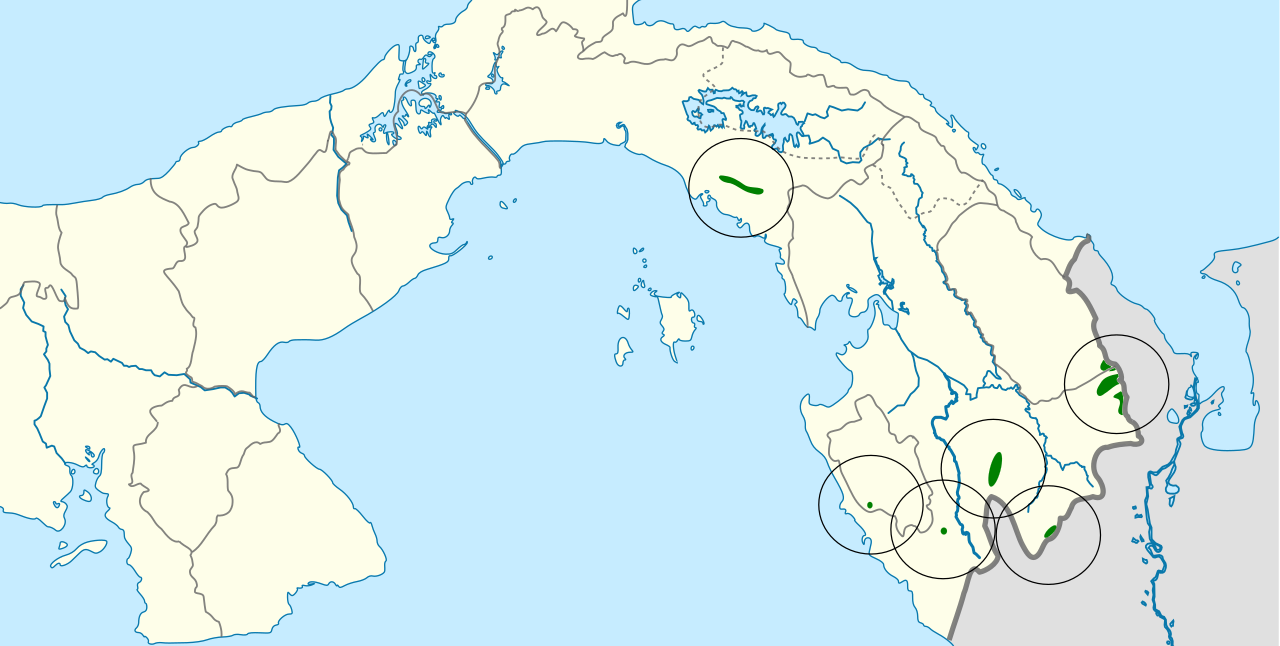
Beautiful Treerunner
VUMargarornis bellulus
The Beautiful Treerunner faces significant pressure from ongoing deforestation and habitat fragmentation throughout its Andean cloud forest range. Climate change poses an additional threat by altering the temperature and moisture conditions of these specialized high-altitude ecosystems, potentially forcing populations to shift to higher elevations where suitable habitat becomes increasingly limited.

Becherförmiger Langfüßer
VUHelvella cupuliformis
Helvella cupuliformis faces significant threats from habitat degradation and loss of suitable forest ecosystems due to deforestation, urbanization, and climate change. The species' specialized ecological requirements and dependence on specific soil conditions and mycorrhizal relationships make it particularly vulnerable to environmental disturbances and pollution.

Bechstein's Bat
ENMyotis bechsteinii
Bechstein's Bat faces severe population declines primarily due to the loss and fragmentation of old-growth deciduous forests, which provide essential roosting sites in tree cavities. Human disturbance of roost sites, particularly in buildings and caves used for hibernation, along with intensive forest management practices that remove dead and hollow trees, further threaten this forest-dependent species.
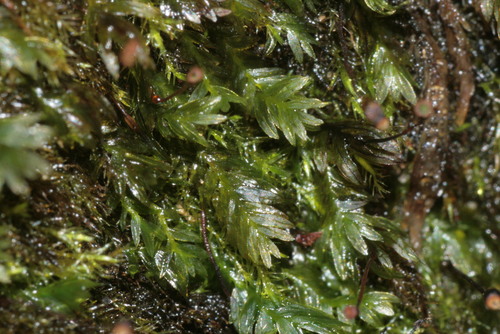
Beck Pocket-moss
CRFissidens rufulus
Beck Pocket-moss (Fissidens rufulus) is critically endangered due to its extremely limited distribution and vulnerability to habitat disturbance. The species is known from only a few locations and faces ongoing threats from human activities and environmental changes that could easily lead to its extinction.

Bedstraw Broomrape
ENOrobanche caryophyllacea
Bedstraw Broomrape is declining primarily due to habitat loss and degradation of its specialized grassland environments. Agricultural intensification, urban development, and changes in land management practices have significantly reduced the availability of suitable host plants and appropriate habitat conditions.

Bee Beetle
ENTrichius fasciatus
The Bee Beetle (Trichius fasciatus) is declining primarily due to habitat loss and degradation of flower-rich grasslands and woodland edges where it feeds and breeds. Agricultural intensification, urbanization, and changes in land management practices have reduced the availability of suitable flowering plants and deadwood substrates essential for its lifecycle.

Bee Orchid
VUOphrys apifera
The Bee Orchid faces significant population declines across its range due to habitat loss from agricultural intensification and urban development, which destroys the calcareous grasslands it depends on. Changes in land management practices, particularly the abandonment of traditional grazing and the cessation of regular mowing, have led to scrubland encroachment that eliminates suitable habitat conditions.

Beech-green Carpet
VUColostygia olivata
The Beech-green Carpet faces significant threats from habitat loss and degradation as its specialized woodland habitats are increasingly fragmented by urban development, intensive forestry practices, and agricultural expansion. Climate change poses additional risks by altering the composition and distribution of the deciduous and mixed woodlands this species depends on, while pollution and pesticide use in surrounding agricultural areas further compromise population viability.
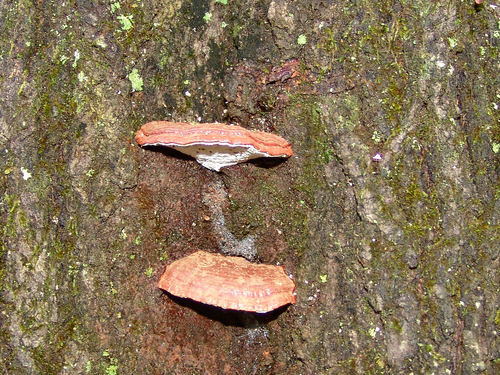
Beeswax Bracket
ENGanoderma pfeifferi
Ganoderma pfeifferi faces severe decline primarily due to habitat loss from deforestation and urban development in its limited European range. The species is particularly vulnerable because it requires specific host trees and old-growth forest conditions that are increasingly rare.
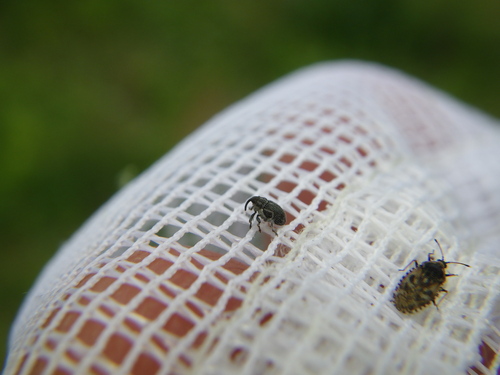
Behaarde boorsnuitkever
ENCeutorhynchus hirtulus
Ceutorhynchus hirtulus is declining primarily due to habitat loss and degradation of its specialized host plant environments. Agricultural intensification and changes in land management practices have reduced the availability of suitable breeding sites and food sources.

behaarde wespvlieg
VUSpilomyia manicata
The behaarde wespvlieg faces significant threats from habitat loss and degradation of its specialized woodland environments. Climate change and agricultural intensification are reducing the availability of suitable forest edges and clearings where this hoverfly depends on specific host plants and nectar sources.
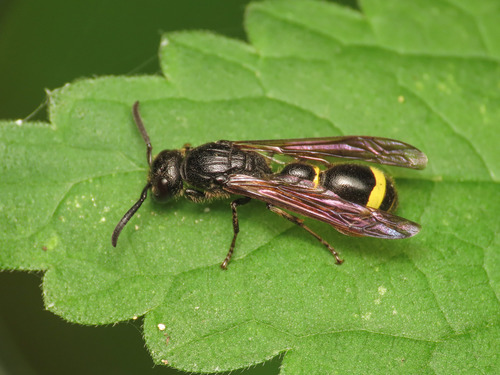
behangerswesp
VUDiscoelius zonalis
Discoelius zonalis faces significant threats from habitat loss due to deforestation and agricultural expansion in its native range. Climate change and pesticide use in agricultural areas further compound the pressures on this wasp species, affecting both its nesting sites and prey availability.
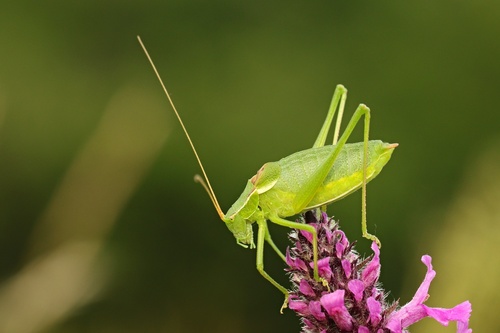
Bei-Bienko's Plump Bush-cricket
CRIsophya bey-bienkoi
Bei-Bienko's Plump Bush-cricket faces severe threats from habitat destruction and fragmentation due to agricultural expansion and urban development in its limited range in Turkey. The species' extremely restricted distribution makes it particularly vulnerable to local environmental changes and human activities that alter its specialized grassland and scrubland habitats.
Bejuco alcanfor
CRPeperomia subrotundifolia
Peperomia subrotundifolia faces severe threats primarily from habitat destruction and fragmentation due to agricultural expansion and urban development in its limited range. The species' extremely restricted distribution makes it particularly vulnerable to localized threats, with small population sizes increasing extinction risk from stochastic events.

Bejuco De Santiago
CRAristolochia trilobata
Aristolochia trilobata faces severe population decline primarily due to habitat destruction from agricultural expansion and urban development in its native range. Deforestation and land conversion for cattle ranching and crop cultivation have fragmented remaining populations, while climate change may be altering suitable habitat conditions.
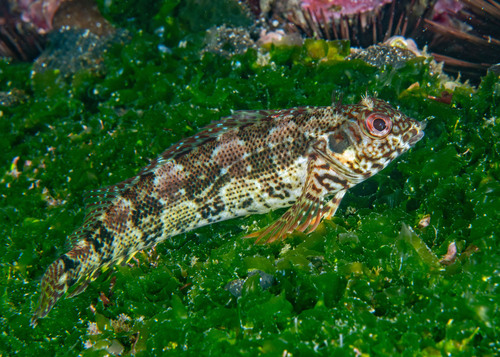
Belted Blenny
VUMalacoctenus zonogaster
The Belted Blenny faces significant threats from coastal development and habitat degradation throughout its Caribbean range. Climate change impacts, including ocean warming and acidification, are altering the shallow reef environments this species depends on for survival and reproduction.
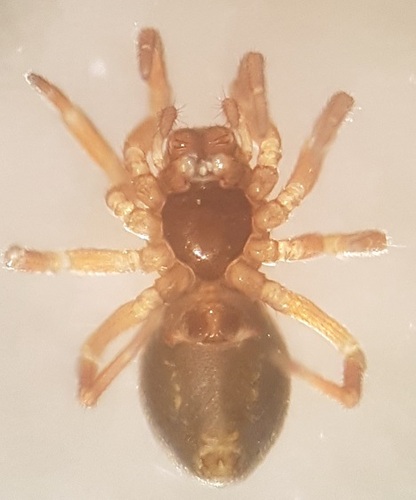
Bend-bearing Blunt-brow Spider
VUSilometopus incurvatus
The Bend-bearing Blunt-brow Spider faces significant threats from habitat degradation and fragmentation of its specialized microhabitats. Climate change and human development pressures are reducing the availability of suitable moss-rich and humid environments that this species requires for survival.
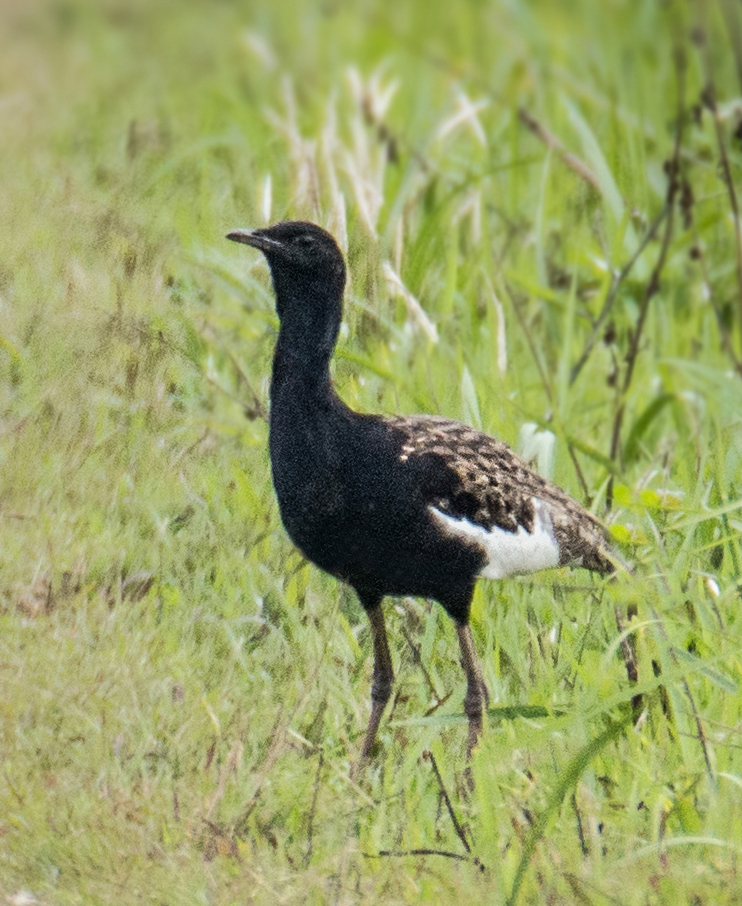
Bengal Florican
CRHoubaropsis bengalensis
The Bengal Florican faces its greatest threats from farmers converting grasslands into rice and sugarcane fields, along with cattle grazing that destroys the tall grass habitats these birds need for nesting and feeding. Additional pressures come from people cutting grass for livestock feed, hunting the birds, and the spread of invasive plant species that crowd out native grasses. Most of these threats are ongoing and appear to be stable or intensifying as human populations grow and demand more agricultural land.

bergknappflue
CRCheilosia semifasciata
The bergknappflue (Cheilosia semifasciata) is critically endangered primarily due to habitat loss and degradation of its specialized alpine and subalpine environments. Climate change poses an additional severe threat by altering the temperature and precipitation patterns of high-altitude ecosystems where this hoverfly species depends on specific host plants and microhabitats.

bergnejlikmal
VUKlimeschiopsis kiningerella
Klimeschiopsis kiningerella faces significant threats from habitat loss due to agricultural expansion and urban development in its limited range. Climate change poses additional risks by altering the specific microhabitat conditions this specialized moth requires for survival and reproduction.
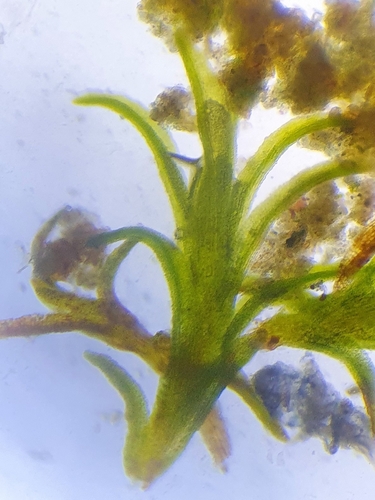
Beric Beard-moss
VULeptobarbula berica
Beric Beard-moss faces significant threats from habitat degradation and loss due to urbanization and agricultural expansion in its limited range. Climate change poses additional risks through altered precipitation patterns and temperature increases that affect the specific moisture conditions this moss requires. The species' restricted distribution makes it particularly vulnerable to local environmental changes.
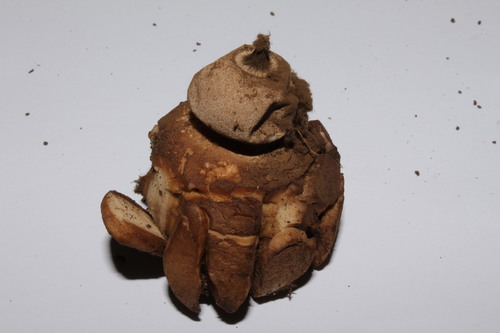
Berkeley's Earthstar
ENGeastrum berkeleyi
Berkeley's Earthstar faces severe population declines primarily due to habitat loss from urban development and agricultural conversion of its specialized woodland habitats. The species is particularly vulnerable because of its limited distribution, specific ecological requirements, and sensitivity to environmental disturbances that affect its mycorrhizal relationships with host trees.

Berlepsch's Tinamou
VUCrypturellus berlepschi
Berlepsch's Tinamou faces significant pressure from habitat loss and fragmentation due to deforestation, agricultural expansion, and human settlement development throughout its range in northwestern South America. The species' ground-dwelling nature and specific habitat requirements make it particularly vulnerable to forest degradation and hunting pressure in accessible areas.
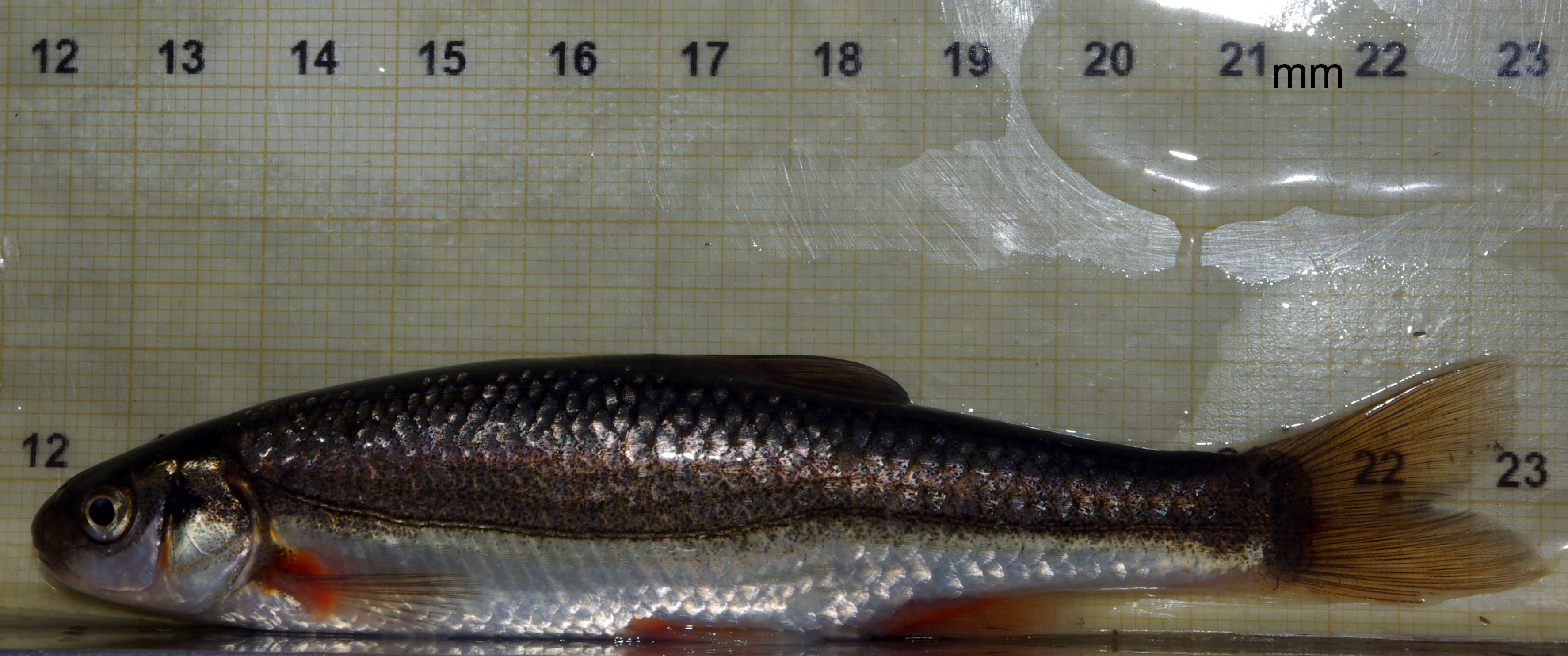
bermejuela
VUAchondrostoma arcasii
The bermejuela faces significant threats from habitat degradation and water pollution in its native river systems across the Iberian Peninsula. Dam construction and water extraction have fragmented populations and altered natural flow regimes, while agricultural runoff and urban pollution continue to degrade water quality in critical spawning and feeding areas.
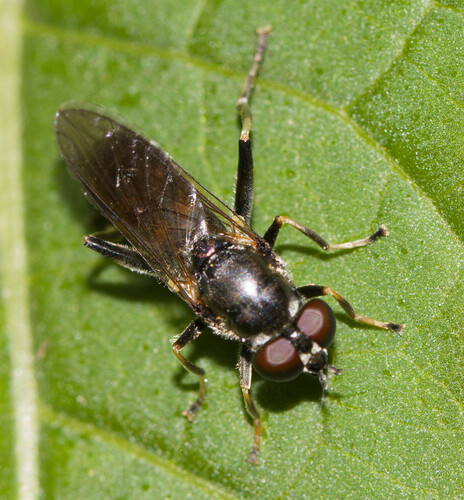
berookte bladloper
VUXylota meigeniana
The berookte bladloper faces significant threats from habitat loss and degradation as urbanization and agricultural intensification reduce suitable woodland and forest edge environments. Climate change and pollution further stress populations of this hoverfly species, while its specialized ecological requirements make it particularly vulnerable to environmental changes.

Betony
ENBetonica officinalis
Betony (Betonica officinalis) is declining primarily due to habitat loss from agricultural intensification and changes in traditional grassland management practices. The conversion of species-rich meadows to intensive agriculture and the abandonment of traditional hay-making have significantly reduced suitable habitat for this grassland specialist.
Biatorina-tensporelav
VUBacidia biatorina
Bacidia biatorina faces significant threats from air pollution and acid rain, which alter the chemical composition of its substrate and can severely impact lichen communities. Habitat loss through deforestation and urban development further reduces available colonization sites, while climate change may shift suitable environmental conditions beyond the species' adaptive capacity.
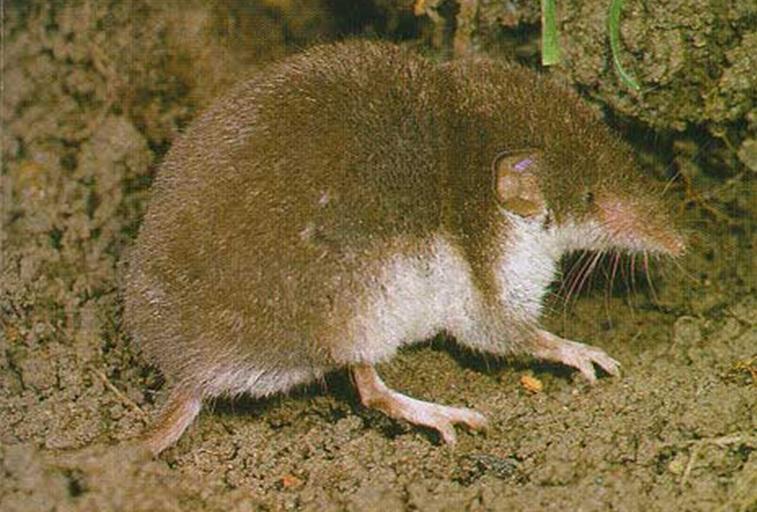
Bicolored Shrew
ENCrocidura leucodon
The Bicolored Shrew faces significant population declines primarily due to habitat loss and fragmentation from agricultural expansion and urbanization across its European range. Climate change and intensive farming practices that reduce invertebrate prey availability further threaten remaining populations.

Bicoloured Antpitta
VUGrallaria rufocinerea
The Bicoloured Antpitta faces significant pressure from habitat loss and fragmentation due to deforestation and agricultural expansion throughout its Andean range. Its specialized requirements for intact cloud forest understory make it particularly vulnerable to human disturbance and climate change impacts that alter montane forest ecosystems.
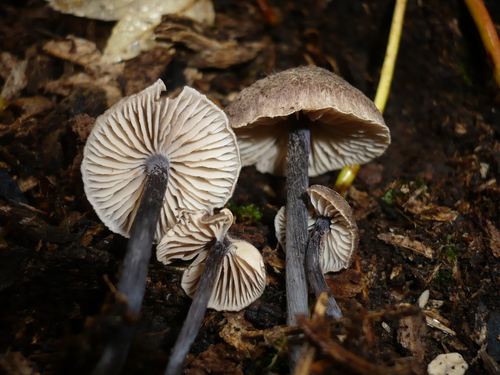
Bicoloured Pinkgill
VUEntoloma dichroum
The Bicoloured Pinkgill faces significant threats from habitat degradation and loss of suitable woodland environments due to deforestation, agricultural expansion, and urban development. Climate change and pollution are further impacting the delicate ecological conditions required for this fungal species to thrive, while overcollection in some regions may be reducing local populations.

Bicoloured Sedge
ENCarex bicolor
Bicoloured Sedge faces severe population declines primarily due to habitat loss and degradation of its specialized wetland environments. Climate change poses an additional threat by altering the hydrological conditions and temperature regimes essential for this arctic-alpine species.
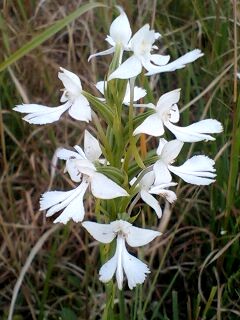
Big white-egret flower
VUHabenaria dentata
The Big white-egret flower faces significant threats from habitat destruction due to agricultural expansion and urban development across its range. Overcollection for ornamental and medicinal purposes, combined with the species' specialized pollination requirements and narrow habitat preferences, has led to population declines in many areas.