Species Explorer
Browse and search species from the IUCN Red List and GBIF.
54,666 species
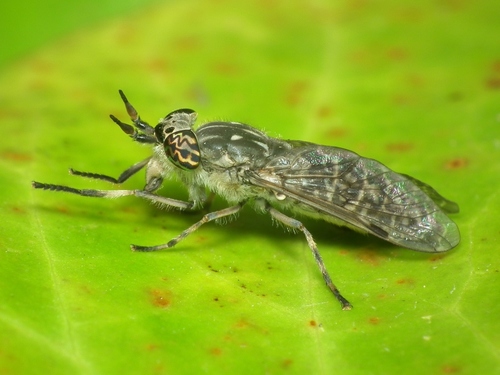
Big-spotted Cleg
ENHaematopota bigoti
The Big-spotted Cleg (Haematopota bigoti) faces significant population declines primarily due to habitat loss and degradation of its specialized wetland environments. Agricultural intensification, urban development, and climate-induced changes to water regimes have severely reduced the availability of suitable breeding and feeding habitats for this blood-feeding fly species.

bijlsprietje
ENPelecocera tricincta
Pelecocera tricincta, a specialized hoverfly species, faces severe population declines primarily due to habitat loss and degradation of its specific breeding and foraging environments. The species' narrow ecological requirements make it particularly vulnerable to changes in land use, agricultural intensification, and loss of the dead wood substrates essential for larval development.

Bijvoetooglapmot
ENBucculatrix noltei
Bucculatrix noltei is declining primarily due to habitat loss and degradation of its specialized host plant environments. The species faces particular vulnerability due to its narrow ecological requirements and dependence on specific plant communities that are increasingly fragmented by human activities.
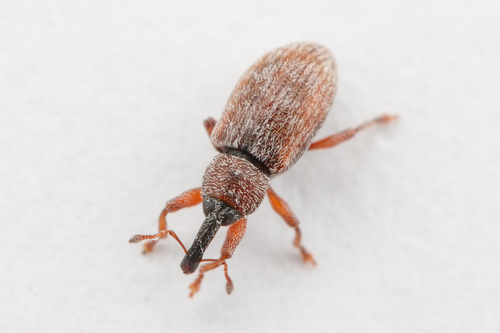
bindvidehängevivel
VUDorytomus salicis
The bindvidehängevivel (Dorytomus salicis) faces significant threats from habitat loss due to wetland drainage and riparian forest destruction, which eliminates the willow and poplar trees essential for its survival. Climate change and pollution further degrade remaining suitable habitats, while the species' specialized dependence on Salix species makes it particularly vulnerable to environmental changes.

Birch Bristle Bracket
CRPhellinus lundellii
The Birch Bristle Bracket (Phellinus lundellii) is critically endangered primarily due to the severe decline and fragmentation of its host habitat - old-growth birch forests. This specialized fungus depends entirely on mature birch trees for survival, making it extremely vulnerable to forest management practices that remove or fragment ancient woodland ecosystems. Climate change further threatens the species by altering forest composition and reducing suitable habitat conditions.

Birch Jelly
VUExidia repanda
Birch Jelly faces significant threats from habitat loss due to deforestation and the decline of mature deciduous forests, particularly those containing its host birch trees. Climate change and forest fragmentation further compound these pressures by altering moisture conditions essential for this fungal species' survival and reproduction.

Bird's-nest Orchid
ENNeottia nidus-avis
Bird's-nest Orchid faces significant decline due to habitat loss from deforestation and forest fragmentation, which disrupts the complex mycorrhizal relationships essential for this non-photosynthetic orchid's survival. Climate change and altered forest management practices further threaten the specific microhabitat conditions and fungal partnerships this species requires.
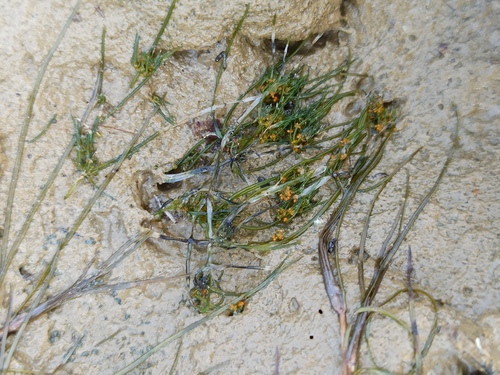
Bird's-nest Stonewort
ENTolypella nidifica
Bird's-nest Stonewort faces severe decline primarily due to habitat loss and degradation of its specialized aquatic environments. Water pollution, eutrophication, and physical disturbance of shallow freshwater habitats have dramatically reduced suitable breeding and growing sites across its range.
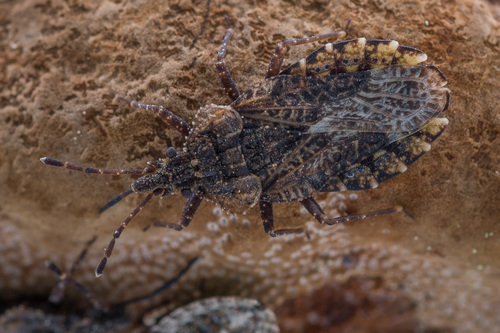
Birkebarktæge
VUAradus betulae
Aradus betulae faces significant threats primarily from habitat loss due to deforestation and forest fragmentation, which reduces the availability of its host birch trees. Climate change poses additional risks by altering the distribution and health of birch forests, while pollution and pesticide use in forestry practices further compromise population stability.
Birkesækbærer
ENProutia rotunda
Proutia rotunda faces severe population declines primarily due to habitat loss from deforestation and agricultural expansion in its limited range. Climate change and increased frequency of extreme weather events further threaten the remaining fragmented populations of this endemic moth species.

Birthwort
ENAristolochia clematitis
Birthwort (Aristolochia clematitis) faces significant decline primarily due to habitat loss from agricultural intensification and urban development. The species is particularly vulnerable to changes in traditional farming practices and the conversion of semi-natural grasslands and field margins where it historically thrived.
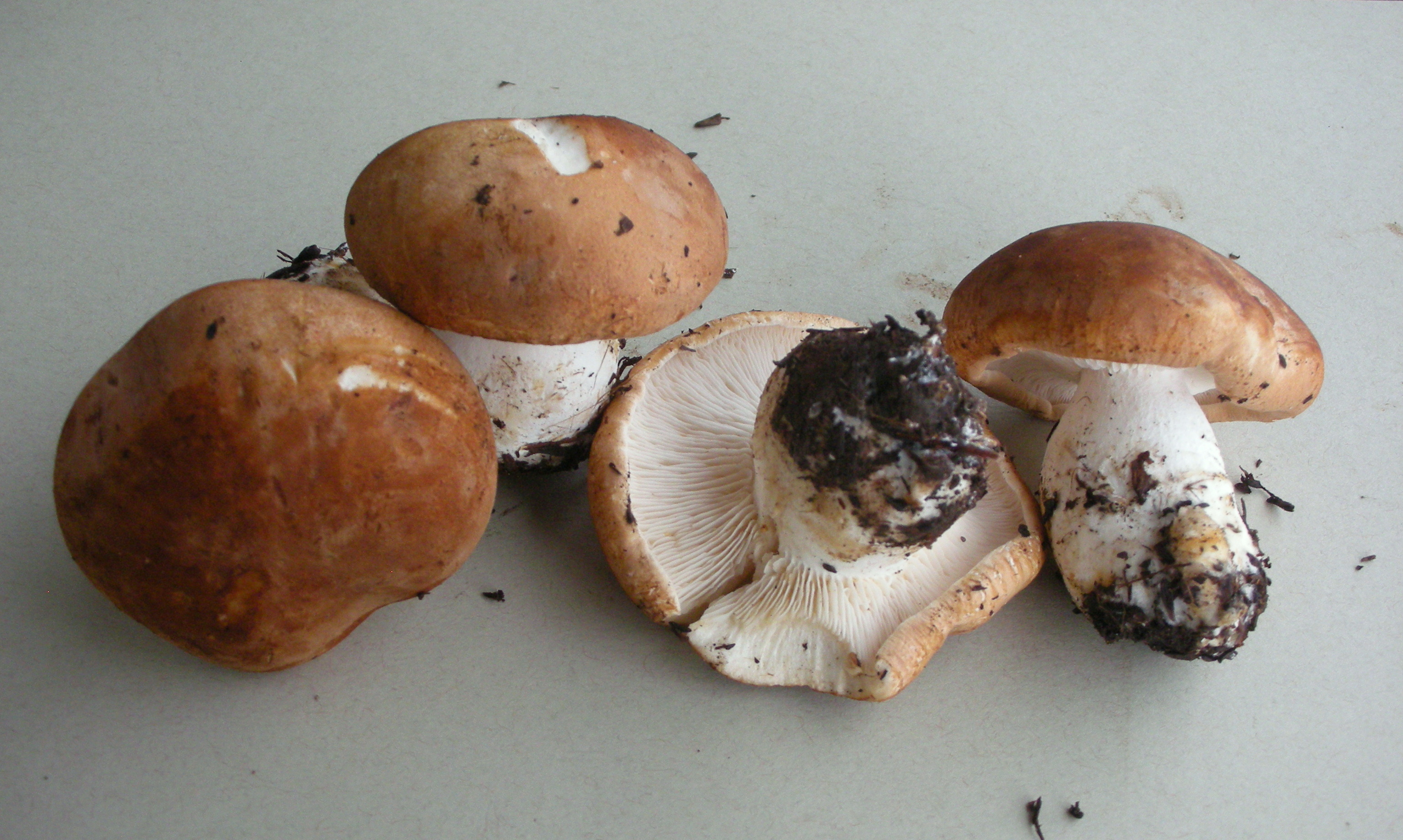
Bitter Funnel
ENLeucopaxillus gentianeus
The Bitter Funnel (Leucopaxillus gentianeus) faces significant decline due to habitat loss from agricultural expansion and urban development in its specialized grassland ecosystems. Climate change and intensive land management practices are further degrading the specific soil conditions and plant communities this fungus depends on for survival.

Bitter olieskind
VUGloiothele lactescens
Bitter olieskind faces significant threats from habitat degradation and fragmentation of its specialized forest environments. Climate change and human encroachment into its native range are reducing suitable habitat availability and quality, while its limited dispersal ability makes population recovery difficult.

Bitter Scalewort
CRPorella arboris-vitae
Bitter Scalewort (Porella arboris-vitae) is critically endangered primarily due to habitat loss and degradation of old-growth forests where it grows as an epiphyte on ancient trees. The species is extremely sensitive to air pollution, particularly acid rain and atmospheric nitrogen deposition, which alter the chemical composition of tree bark and surrounding environment. Climate change poses an additional threat through altered precipitation patterns and temperature increases that affect the humid microhabitats this bryophyte requires.
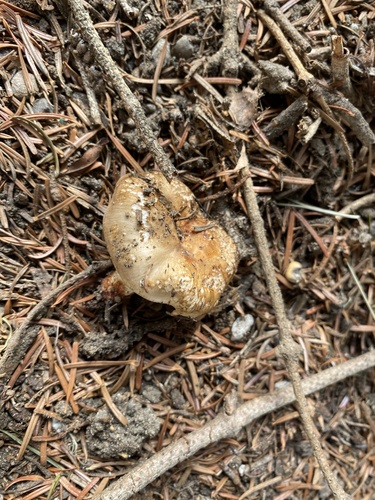
bittere kamrussula
VURussula pectinata
The bittere kamrussula faces significant threats from habitat degradation and loss of suitable forest ecosystems across its range. Climate change and atmospheric pollution are altering the delicate soil chemistry and mycorrhizal relationships essential for this fungal species' survival, while deforestation and intensive forestry practices continue to fragment and destroy its woodland habitat.
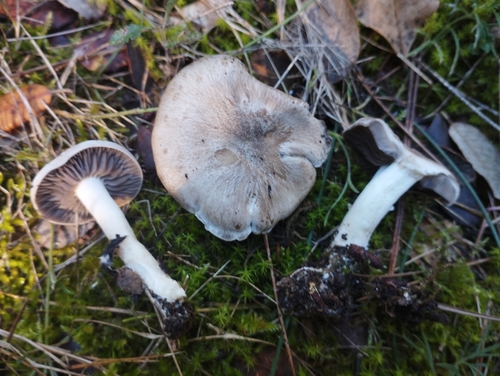
Bitterlicher Rasling
VULyophyllum amariusculum
Bitterlicher Rasling faces significant threats from habitat degradation and loss of suitable forest ecosystems across its range. Climate change and altered precipitation patterns are affecting the delicate moisture conditions required for this fungal species to fruit and reproduce successfully. Additionally, pollution and changes in forest composition due to human activities are reducing the availability of appropriate host trees and soil conditions.
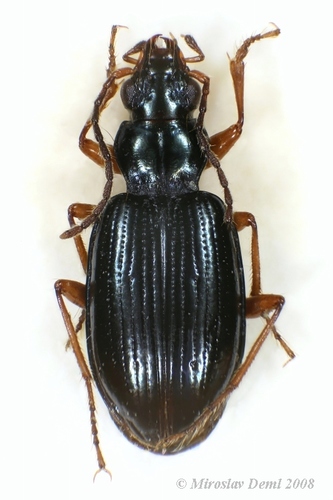
Bjergglansløber
CRBembidion monticola
Bembidion monticola, a ground beetle endemic to high-altitude environments in Scandinavia, faces severe threats from climate change as warming temperatures force suitable habitat upslope to increasingly restricted areas. The species' specialized alpine habitat requirements make it extremely vulnerable to environmental changes, with habitat loss and fragmentation representing the primary drivers of population decline.
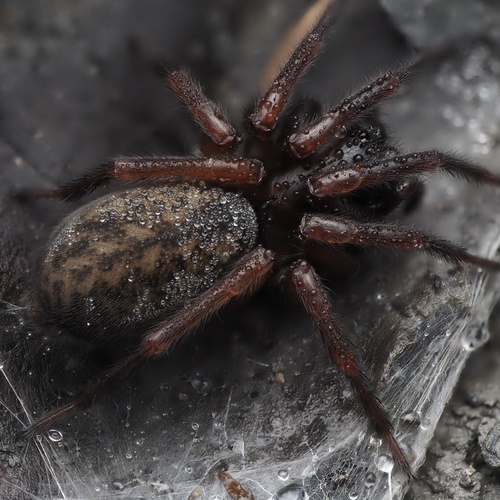
björntrattspindel
VUCoelotes atropos
Björntrattspindel (Coelotes atropos) faces significant threats from habitat degradation and fragmentation of its specialized cave and underground environments. Climate change poses additional risks by altering the delicate microclimate conditions essential for this species' survival, while human disturbance of cave systems further compounds population pressures.
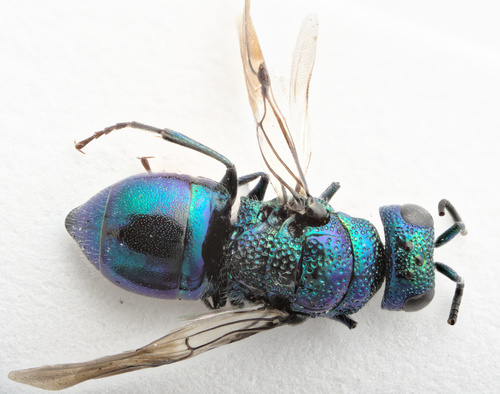
blå glansguldstekel
CRPhiloctetes truncatus
The blå glansguldstekel (Philoctetes truncatus) faces severe population declines due to habitat loss from agricultural expansion and urban development across its limited range. Climate change is altering the availability of its specialized host species, while pesticide use in agricultural areas directly impacts both the wasp and its prey insects.

Black Bog-rush
CRSchoenus nigricans
Black Bog-rush faces severe decline primarily due to habitat loss and degradation of its specialized wetland environments. Drainage of bogs, fens, and wet meadows for agriculture and development has eliminated much of its suitable habitat, while remaining populations are threatened by changes in water levels and quality.

Black Caiman
VUMelanosuchus niger
The Black Caiman faces significant pressure from habitat loss due to deforestation and wetland conversion throughout the Amazon basin. Historical overhunting for its valuable hide severely depleted populations, and while some recovery has occurred, the species remains vulnerable to continued hunting pressure and climate change impacts on aquatic ecosystems.
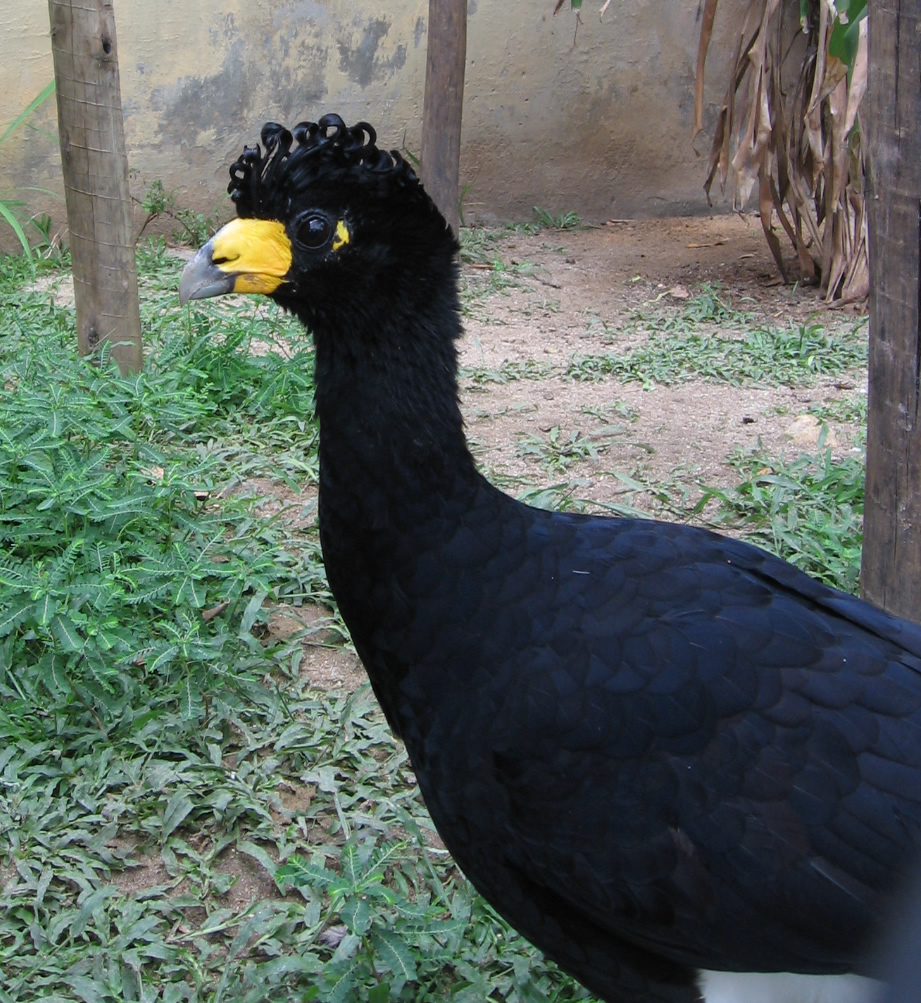
Black Curassow
VUCrax alector
The Black Curassow faces significant pressure from habitat loss due to deforestation and agricultural expansion throughout its Amazonian range. Hunting pressure for subsistence and commercial purposes has severely reduced populations in accessible areas, while fragmentation of remaining forest blocks limits breeding success and population connectivity.

Black Falsebolete
CRBoletopsis leucomelaena
The Black Falsebolete faces severe decline primarily due to habitat loss from deforestation and forest fragmentation in its limited range. As a specialized fungus dependent on specific forest ecosystems and host relationships, it is extremely vulnerable to environmental changes and has very restricted distribution making populations fragile.
Black Fungus Gnat
VUAsindulum nigrum
The Black Fungus Gnat faces significant threats from habitat degradation and loss of suitable breeding substrates in forest ecosystems. Climate change and altered precipitation patterns are disrupting the delicate moisture conditions required for fungal growth, which this species depends on for larval development and adult feeding.

Black grouper
VUMycteroperca bonaci
Black grouper populations face significant pressure from intensive commercial and recreational fishing throughout their range, with their slow growth rates and late sexual maturity making them particularly vulnerable to overexploitation. Habitat degradation of coral reefs and rocky bottoms, combined with their aggregating spawning behavior that makes them easy targets during reproduction, has contributed to substantial population declines across the Caribbean and western Atlantic.
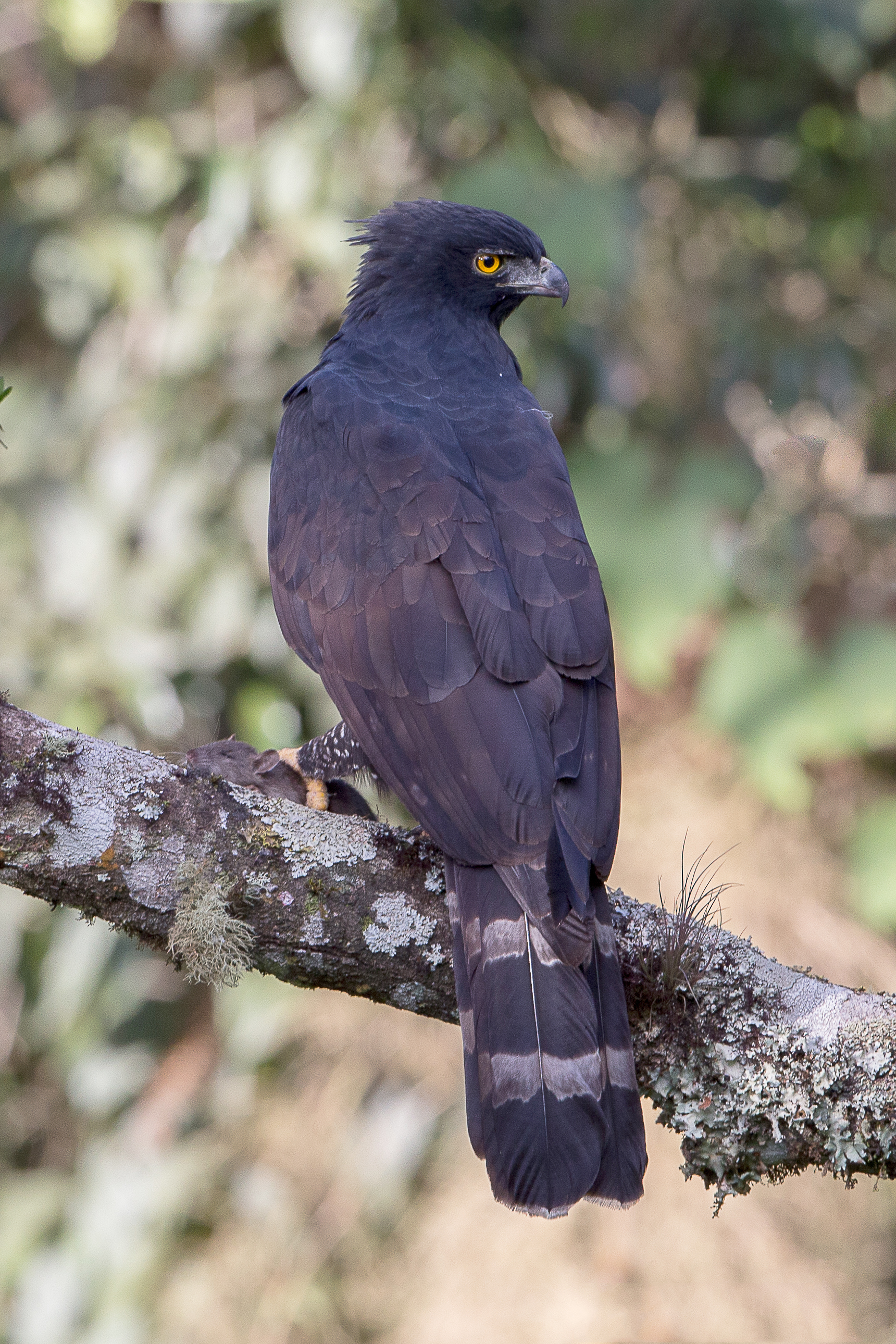
Black Hawk-Eagle
VUSpizaetus tyrannus
The Black Hawk-Eagle faces significant pressure from widespread deforestation and habitat fragmentation across its range in Central and South America. Large-scale agricultural expansion, logging operations, and human encroachment have reduced and isolated suitable forest habitats, while the species' position as an apex predator makes it particularly vulnerable to ecosystem disruption and prey depletion.
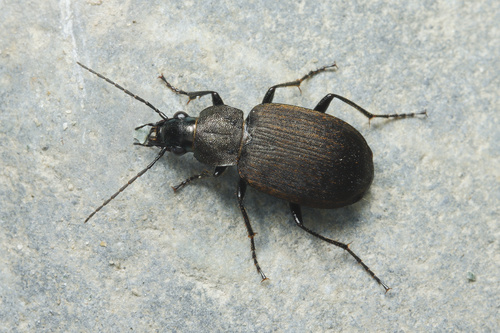
Black Night-runner
CRChlaenius tristis
The Black Night-runner (Chlaenius tristis) is critically endangered primarily due to habitat loss and degradation of its specialized wetland environments. Urban development, agricultural expansion, and water management practices have severely reduced and fragmented the riparian and marsh habitats this ground beetle species requires for survival.
Black Pinkgill
VUEntoloma aethiops
Black Pinkgill faces significant threats from habitat degradation and loss of suitable woodland environments due to deforestation, agricultural expansion, and urban development. Climate change poses additional risks by altering the specific moisture and temperature conditions required for this fungal species to fruit and complete its life cycle. The species' dependence on particular soil chemistry and mycorrhizal relationships makes it particularly vulnerable to environmental changes.

Black prochilodus
VUProchilodus nigricans
Black prochilodus faces significant pressure from overfishing throughout its range, as it is heavily targeted for commercial and subsistence fisheries due to its economic importance. Habitat degradation from deforestation, agricultural expansion, and dam construction along major river systems further threatens spawning and feeding areas. Climate change and altered precipitation patterns are disrupting seasonal flooding cycles that are critical for the species' reproductive success.
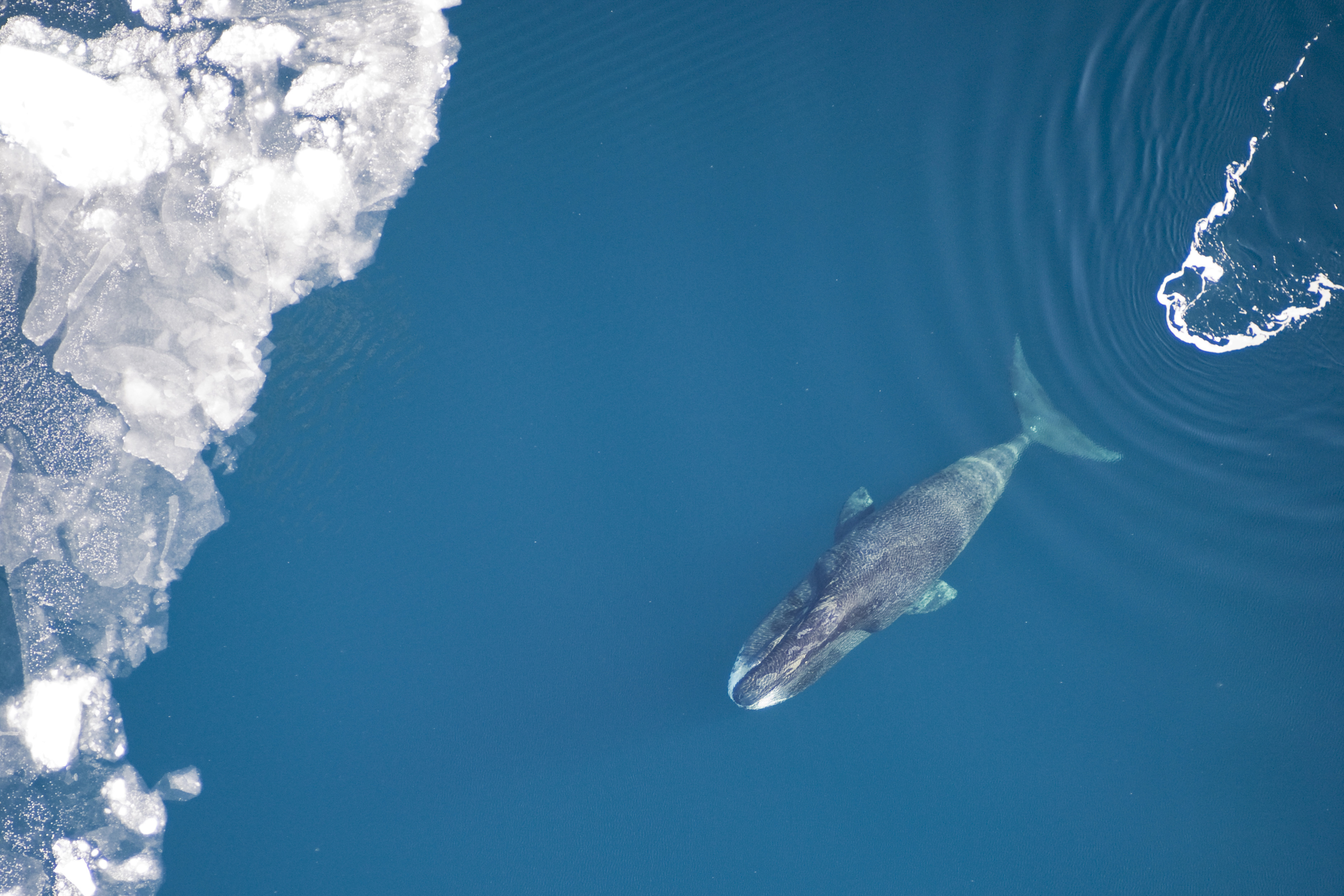
Black Right Whale
CRBalaena mysticetus
The bowhead whale faces severe threats from climate change-induced Arctic ice loss, which disrupts feeding patterns and habitat availability in ice-edge environments. Ship strikes, entanglement in fishing gear, and increasing vessel traffic in newly accessible Arctic waters pose additional significant risks to this slow-moving species.

Black Rock-moss
CRAndreaea rupestris
Based on the available data, the primary threats to Black Rock-moss have not been assessed or documented. Without a formal threat assessment, it's unclear what specific dangers this species faces in its natural habitat. The status of threats to this moss species - whether they are increasing, stable, or decreasing - cannot be determined without further scientific evaluation.

Black Sea roach
ENRutilus meidingeri
The Black Sea roach faces severe population declines primarily due to habitat degradation from dam construction, water pollution, and overfishing in its limited freshwater range. Climate change and invasive species further compound these pressures on this endemic Balkan fish species.
Black Sober
ENAnacampsis temerella
The Black Sober (Anacampsis temerella) faces significant population declines primarily due to habitat loss from agricultural intensification and urban development across its European range. Climate change is altering the phenology of its host plants, disrupting critical breeding cycles, while light pollution from expanding urban areas interferes with its nocturnal behavior patterns.
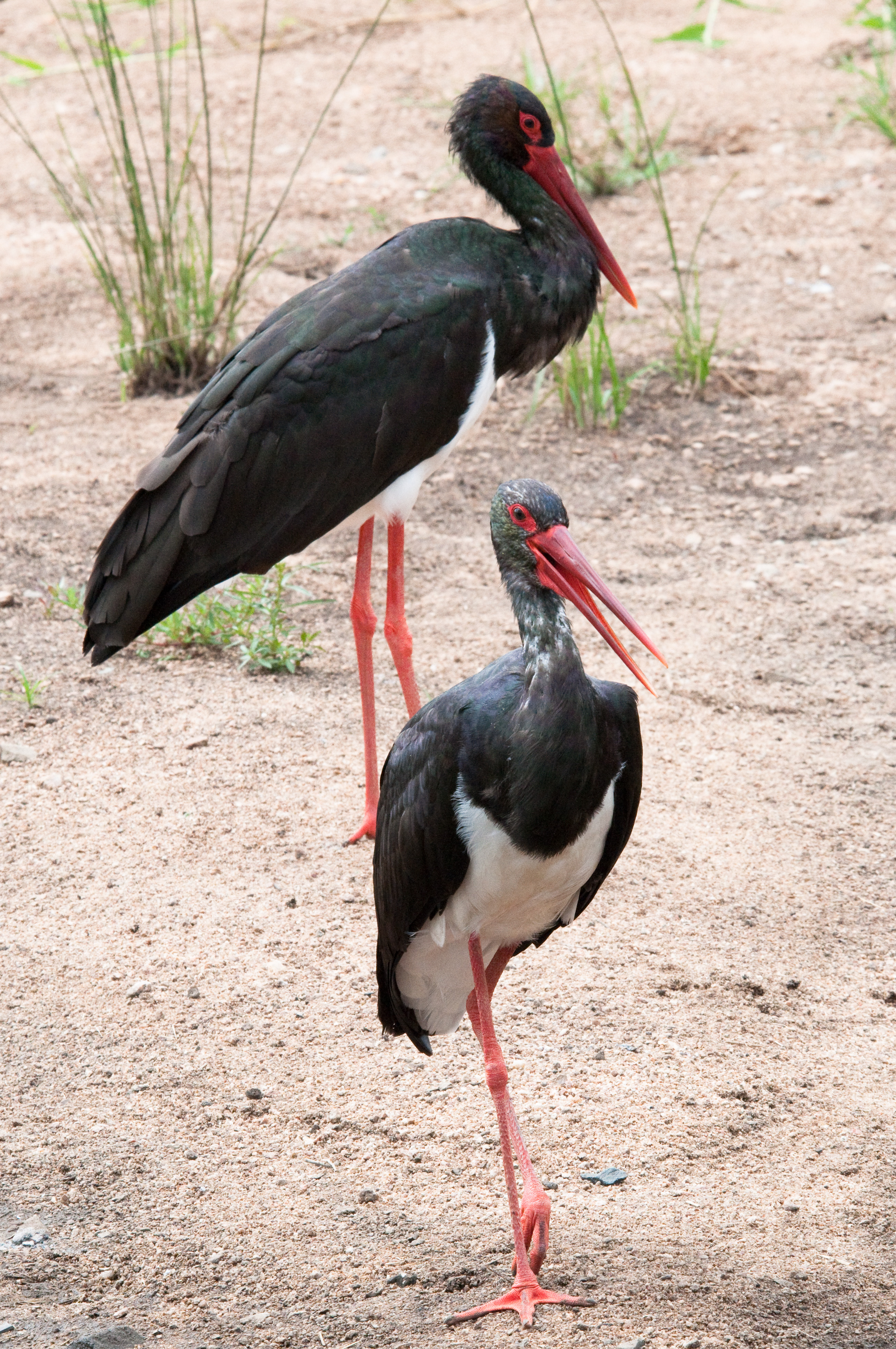
black stork
VUCiconia nigra
The Black Stork faces significant pressure from habitat loss and degradation, particularly the destruction of old-growth forests needed for nesting and wetland drainage that eliminates crucial foraging areas. Human disturbance at breeding sites, pollution of aquatic ecosystems, and climate change impacts on water availability further threaten populations across their range.

Black Stubble Lichen
VUCalicium abietinum
Black Stubble Lichen is declining primarily due to habitat loss from deforestation and forest fragmentation, which eliminates the old-growth coniferous forests it requires. Air pollution, particularly acid rain and nitrogen deposition, further degrades its specialized habitat and directly impacts lichen health.
Black Sweetwood
VUOcotea foeniculacea
Black Sweetwood faces significant threats from habitat loss due to deforestation and agricultural expansion throughout its range in the Caribbean and Central America. The species' limited distribution and specialized habitat requirements make it particularly vulnerable to ongoing forest fragmentation and conversion of lowland forests for development and agriculture.
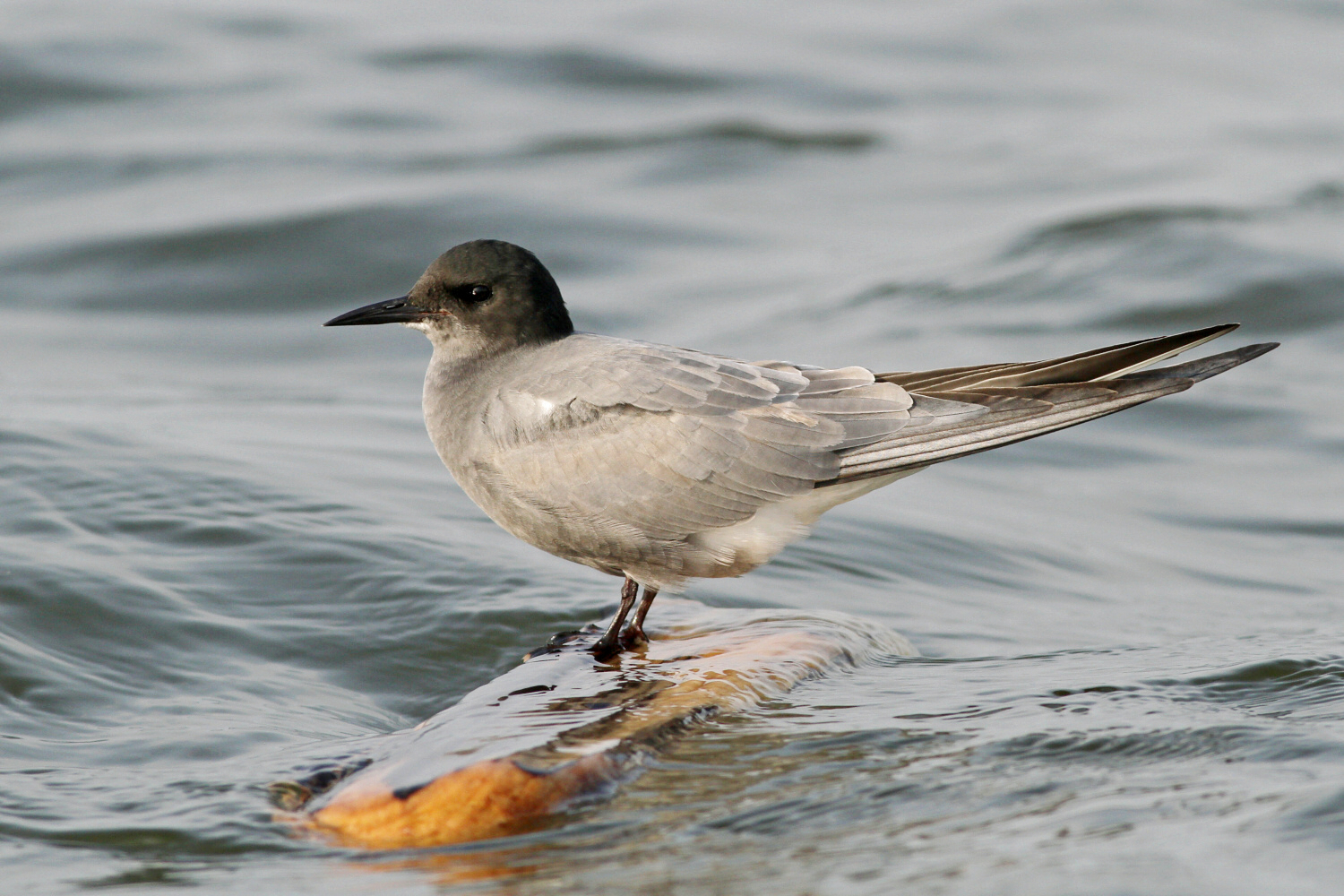
Black Tern
VUChlidonias niger
Black Terns face significant population declines across their range due to widespread wetland habitat loss and degradation from agricultural conversion, urban development, and water management practices. Climate change compounds these pressures by altering precipitation patterns and water levels in breeding marshes, while pollution and human disturbance at nesting sites further threaten reproductive success.

Black Tooth
VUPhellodon niger
Black Tooth (Phellodon niger) faces significant threats from habitat degradation and loss of old-growth forest ecosystems essential for its mycorrhizal relationships. Climate change and air pollution are altering forest conditions, while logging and development fragment the mature coniferous forests this species depends on for survival.

Black Woodpecker
VUDryocopus martius
The Black Woodpecker faces significant pressure from widespread deforestation and intensive forest management practices that remove the large, mature trees essential for nesting and foraging. Climate change is altering forest composition and reducing suitable habitat, while fragmentation isolates populations and limits genetic exchange across its range.

Black-and-gold Tanager
VUBangsia melanochlamys
The Black-and-gold Tanager faces significant threats from habitat loss and fragmentation due to deforestation, agricultural expansion, and human settlement in its restricted Andean range. Its limited distribution across fragmented cloud forest patches makes populations particularly vulnerable to local extinctions and reduces genetic connectivity between remaining groups.
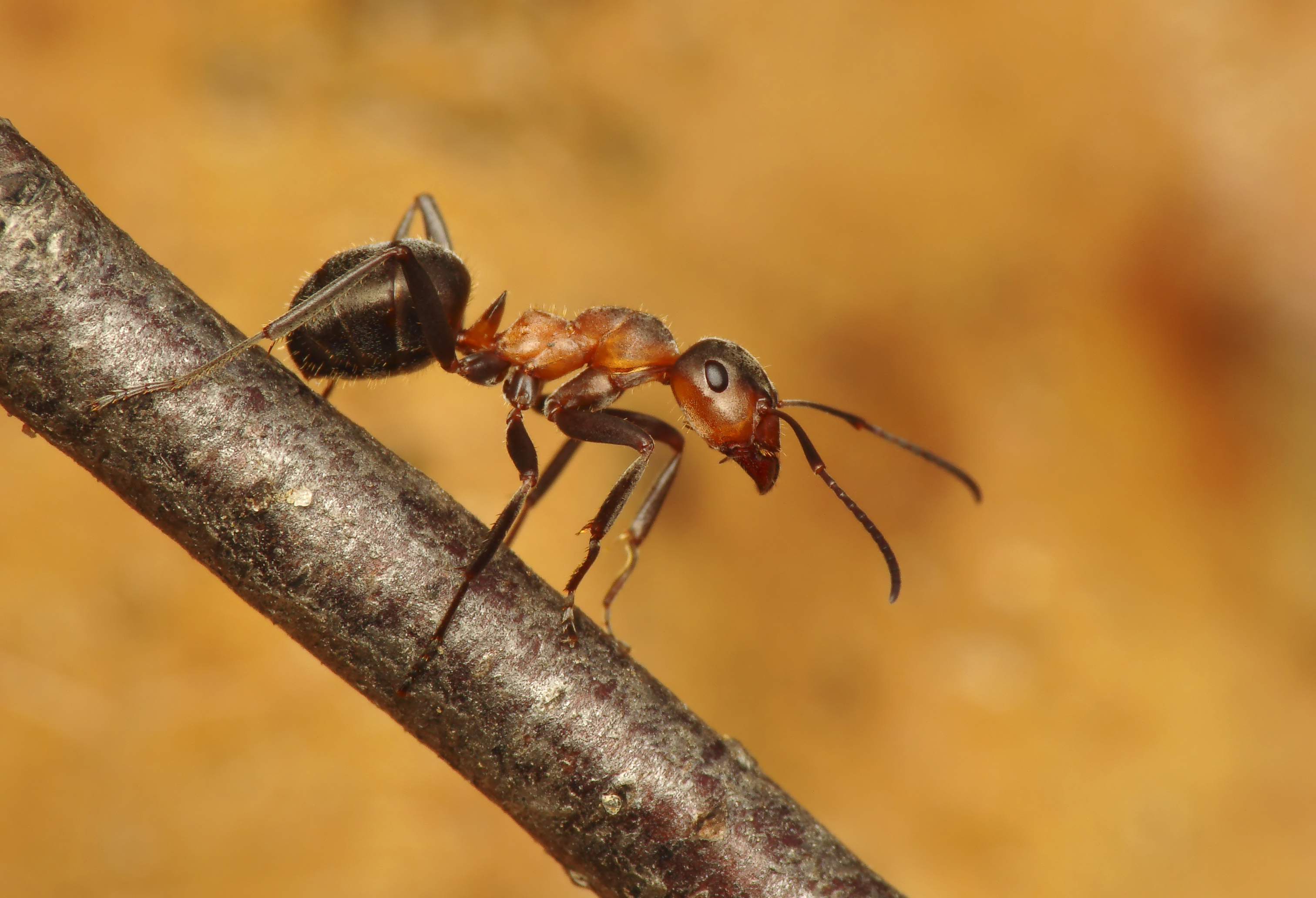
Black-backed Meadow Ant
VUFormica pratensis
The Black-backed Meadow Ant faces significant population declines due to habitat loss from agricultural intensification and urban development, which destroys the semi-natural grasslands essential for colony establishment. Climate change and altered land management practices further threaten remaining populations by disrupting the specific microhabitat conditions these ants require for successful reproduction and colony survival.

Black-backed Thornbill
ENRamphomicron dorsale
The Black-backed Thornbill faces severe population declines primarily due to habitat loss from agricultural expansion, mining activities, and urban development in its restricted Andean range. Climate change poses an additional threat by altering the specific temperature and precipitation conditions required for its high-altitude cloud forest habitat.
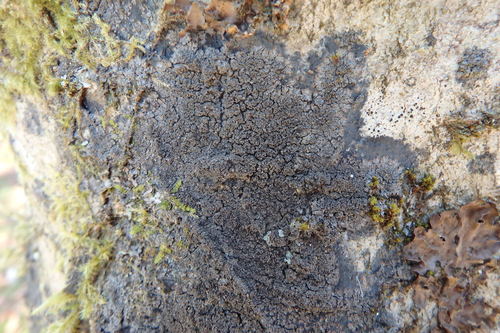
Black-bordered Shingle Lichen
CRParmeliella thriptophylla
The Black-bordered Shingle Lichen is critically endangered primarily due to habitat loss and degradation from air pollution, particularly nitrogen deposition and sulfur dioxide emissions. This epiphytic lichen requires very specific environmental conditions on old-growth trees, making it extremely vulnerable to changes in air quality and forest management practices.

Black-breasted Puffbird
VUNotharchus pectoralis
The Black-breasted Puffbird faces significant pressure from widespread deforestation and habitat fragmentation across its range in South America's tropical forests. Agricultural expansion, logging, and urban development continue to reduce and isolate remaining forest patches, while the species' specialized feeding requirements make it particularly vulnerable to ecosystem disruption.

Black-collared Jay
VUCyanolyca armillata
The Black-collared Jay faces significant pressure from ongoing deforestation and habitat fragmentation throughout its Andean cloud forest range. Agricultural expansion, logging, and human settlement development continue to reduce and isolate suitable forest patches, while climate change threatens to shift the altitudinal zones where this species can survive.
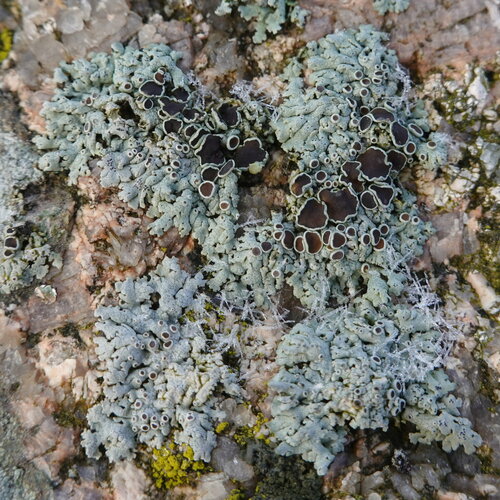
Black-eyed Rosette Lichen
ENPhyscia phaea
Black-eyed Rosette Lichen faces severe decline primarily due to air pollution, particularly nitrogen deposition and sulfur compounds that alter its substrate chemistry and disrupt its symbiotic relationship. Habitat loss from urbanization and agricultural intensification has eliminated many suitable sites, while climate change is shifting precipitation patterns and temperature regimes beyond the species' tolerance limits.

Black-faced Ibis
CRTheristicus melanopis
The Black-faced Ibis faces severe population declines primarily due to habitat loss from agricultural expansion and urban development across its South American range. Hunting pressure and disturbance at breeding and feeding sites have further contributed to the species' critical status.

Black-footed Globetail
CRSphaerophoria philantha
The Black-footed Globetail faces severe population declines due to widespread habitat loss from agricultural intensification and urban development across its range. Climate change is altering flowering patterns of key host plants, disrupting the species' reproductive cycle and reducing available nectar sources essential for adult survival.
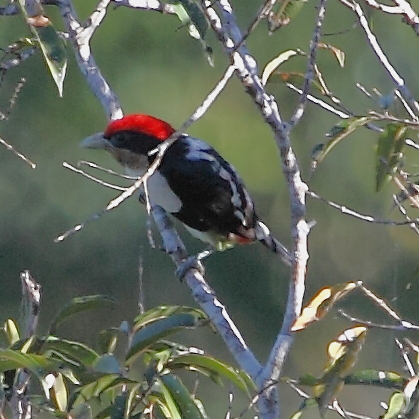
Black-girdled Barbet
VUCapito dayi
The Black-girdled Barbet faces significant pressure from deforestation and habitat fragmentation across its limited range in the Amazon Basin. Mining activities, agricultural expansion, and logging operations continue to reduce and fragment the pristine lowland forests this species requires for nesting and foraging.

Black-headed Berryeater
VUCarpornis melanocephala
The Black-headed Berryeater faces significant threats from ongoing deforestation and habitat fragmentation throughout its Atlantic Forest range in southeastern Brazil. This endemic species is particularly vulnerable due to its dependence on mature forest canopy and the continued conversion of its habitat for agriculture, urban development, and logging activities.