
Bicoloured Sedge
Carex bicolor
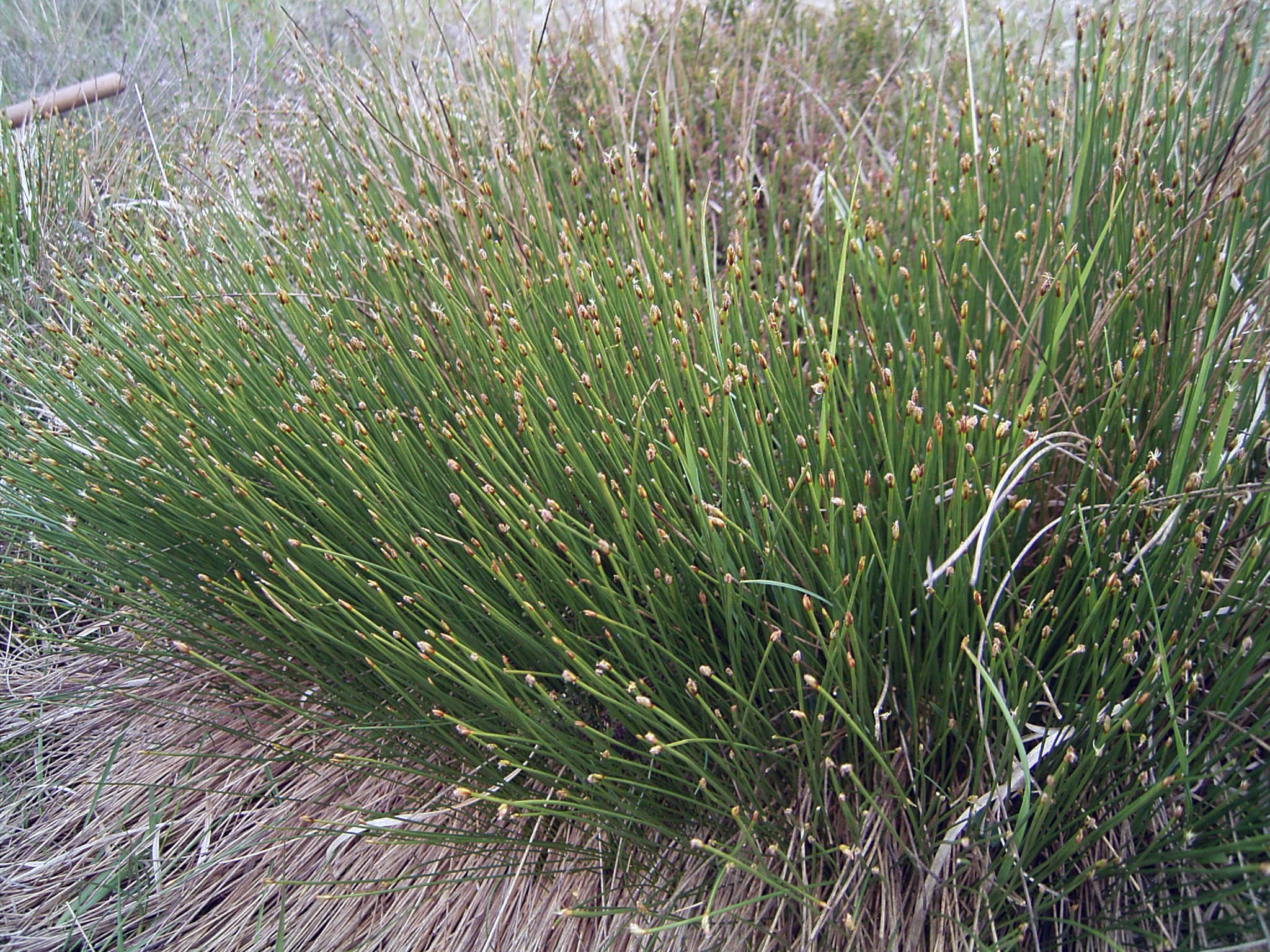
Photo: Wikimedia Commons (CC) via https://en.wikipedia.org/wiki/Carex_bicolor
Overview
Carex bicolor, the bicoloured sedge, is a species of sedge native to North America, Northern Europe and Northern Asia. The International Union for Conservation of Nature has assessed the plant's conservation status as being of least concern because it has a widespread distribution and faces no particular threats.
Bicoloured Sedge faces severe population declines primarily due to habitat loss and degradation of its specialized wetland environments. Climate change poses an additional threat by altering the hydrological conditions and temperature regimes essential for this arctic-alpine species.
Habitat
Carex bicolor has a pan-boreal distribution. In North America it is present in most of Canada, Greenland, in Alaska and the Aleutian Islands. In Northern Europe and Asia, it is present at both low and high altitudes, but further south it is limited to higher altitudes. Its southerly limit is the mountains of Spain, France, Italy, Switzerland and Austria. It often grows in lime-rich habitats such...
Other threatened species in Cyperaceae


Frequently asked questions
Why is Bicoloured Sedge classified as Endangered?
Where does Bicoloured Sedge live?
What are the main threats to Bicoloured Sedge?
Get weekly conservation intelligence
One short digest a week of the most striking species and country data we ship, plus breaking conservation news paired with our database where it matters.
Free, no spam. One-click unsubscribe in every email.