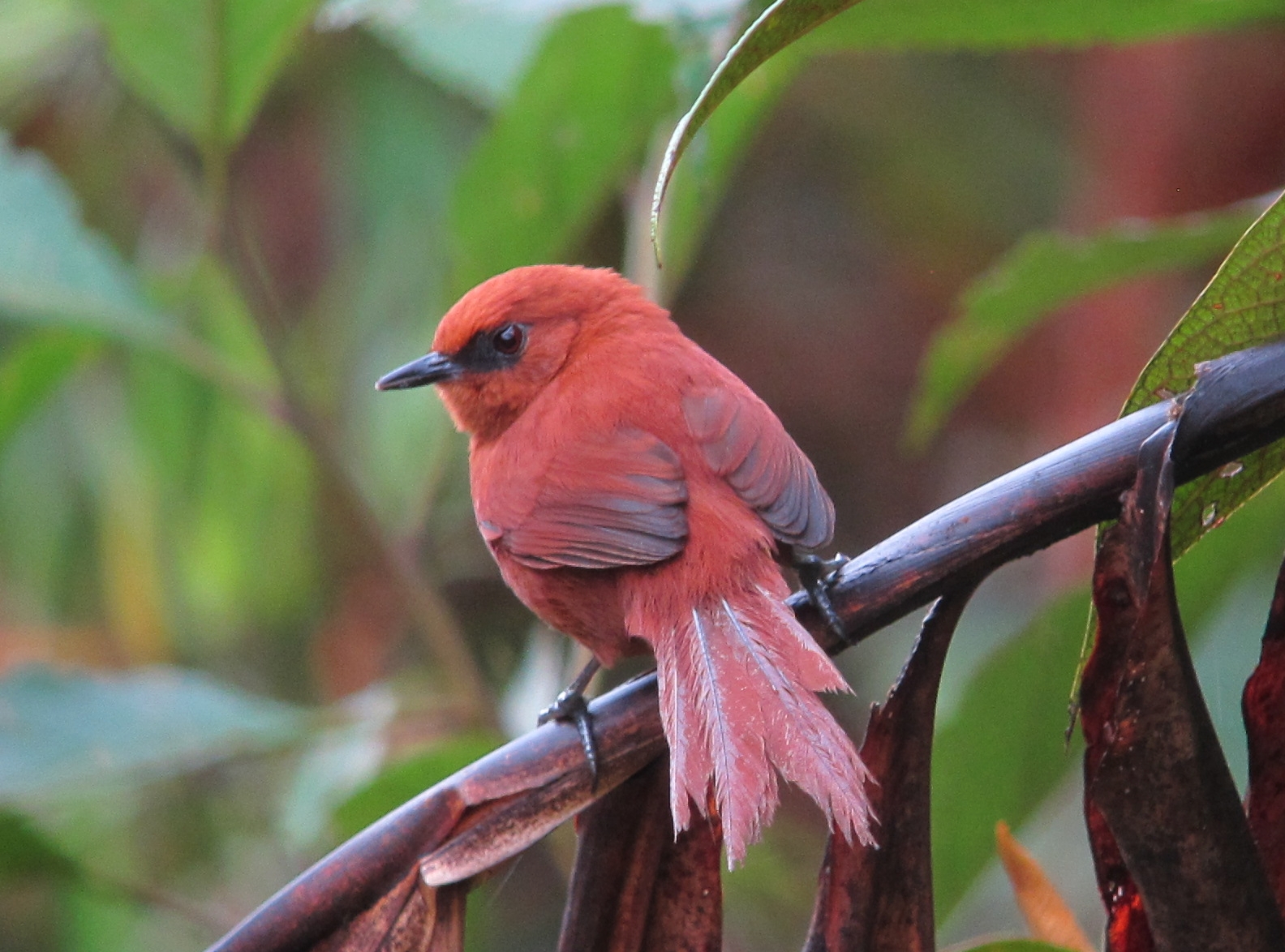
Beautiful Treerunner
Margarornis bellulus
Photo: Wikimedia Commons (CC) via https://en.wikipedia.org/wiki/Beautiful_treerunner
Overview
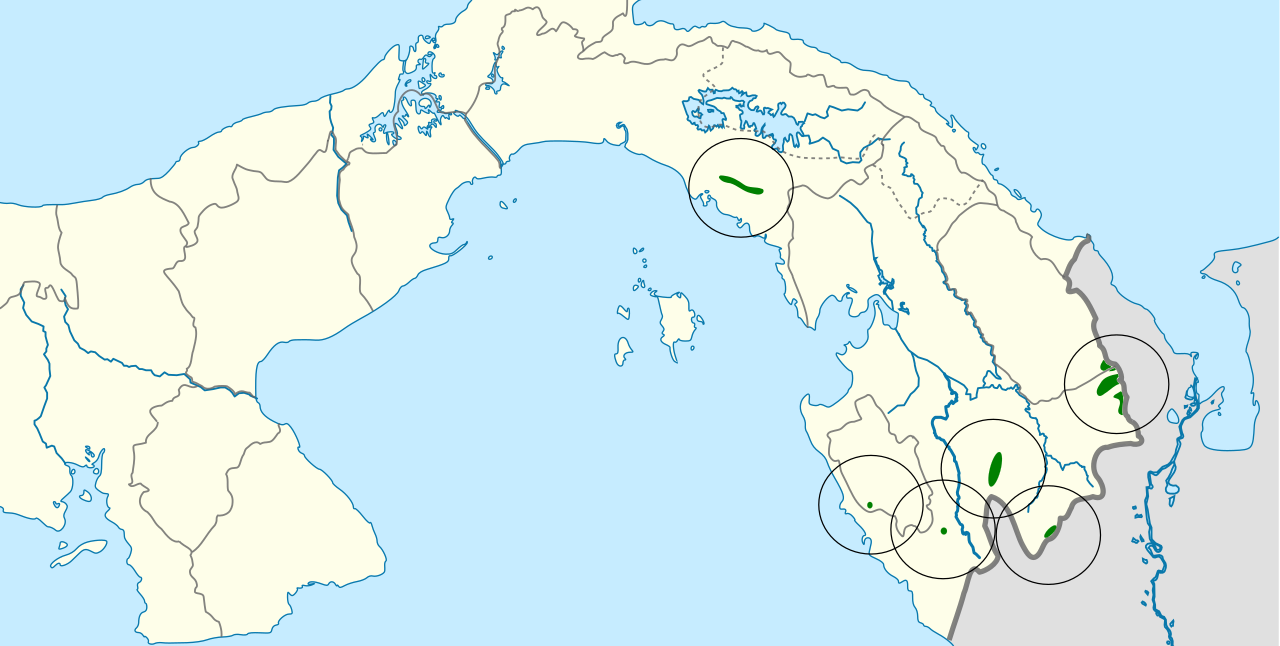
The beautiful treerunner is a Near Threatened species of bird in the Furnariinae subfamily of the ovenbird family Furnariidae. It is endemic to Panama.
The Beautiful Treerunner faces significant pressure from ongoing deforestation and habitat fragmentation throughout its Andean cloud forest range. Climate change poses an additional threat by altering the temperature and moisture conditions of these specialized high-altitude ecosystems, potentially forcing populations to shift to higher elevations where suitable habitat becomes increasingly limited.
Habitat
Inhabits humid montane cloud forests and forest edges in the Andes, typically between 1,500-3,000m elevation. Prefers dense, moss-covered forests with abundant epiphytes where it forages along branches and in the forest understory.
Other threatened species in Furnariidae



Frequently asked questions
Why is Beautiful Treerunner classified as Vulnerable?
Where does Beautiful Treerunner live?
What are the main threats to Beautiful Treerunner?
Get weekly conservation intelligence
One short digest a week of the most striking species and country data we ship, plus breaking conservation news paired with our database where it matters.
Free, no spam. One-click unsubscribe in every email.