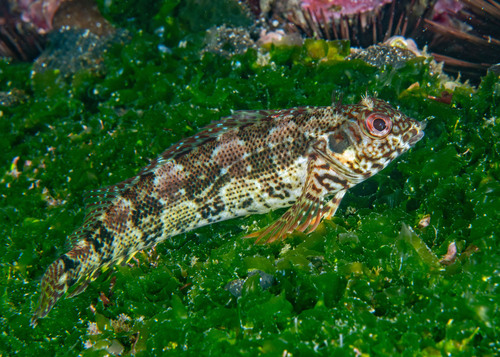
Belted Blenny
Malacoctenus zonogaster
Photo: iNaturalist: (c) Frank Krasovec, some rights reserved (CC BY-NC), uploaded by Frank Krasovec
Overview
Malacoctenus zonogaster, the Belted blenny, is a species of labrisomid blenny mainly native to the Galápagos Islands. It is an inhabitant of tide pools and rocky shores, being found from near the surface to 5 metres (16 ft). The species can reach a length of 8.5 centimetres (3.3 in) total length.
The Belted Blenny faces significant threats from coastal development and habitat degradation throughout its Caribbean range. Climate change impacts, including ocean warming and acidification, are altering the shallow reef environments this species depends on for survival and reproduction.
Habitat
Inhabits shallow coral reefs, rocky shores, and seagrass beds in tropical marine waters of the Caribbean. Typically found in depths ranging from the intertidal zone to approximately 30 meters, often associated with coral rubble and algae-covered substrates.
Other threatened species in Labrisomidae

Threatened in Costa Rica
Frequently asked questions
Why is Belted Blenny classified as Vulnerable?
Where does Belted Blenny live?
What are the main threats to Belted Blenny?
Get weekly conservation intelligence
One short digest a week of the most striking species and country data we ship, plus breaking conservation news paired with our database where it matters.
Free, no spam. One-click unsubscribe in every email.