Species Explorer
Browse and search species from the IUCN Red List and GBIF.
54,666 species
Guasca
ENGrias colombiana
Grias colombiana faces severe population decline primarily due to extensive deforestation and habitat fragmentation throughout its limited range in Colombia. The species' restricted distribution makes it particularly vulnerable to ongoing agricultural expansion and urban development pressures.
Guasco
VUEschweilera sclerophylla
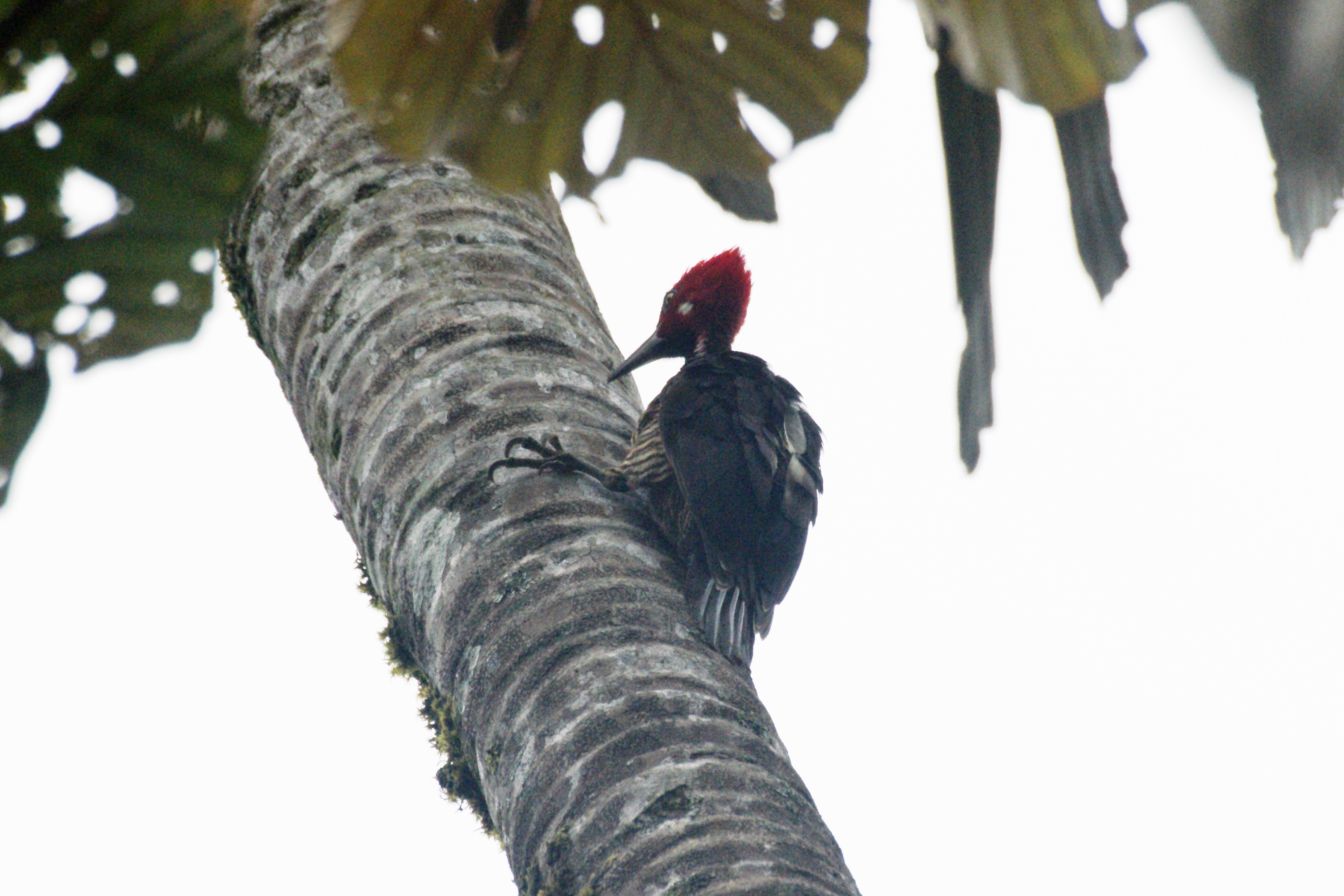
Guayaquil Woodpecker
VUCampephilus gayaquilensis
gubbeslørsopp
VUCortinarius adustorimosus

Guêpe à anneaux bordés de jaune, & deux taches jaunes
VUPolistes biglumis
Guernsey Nomad Bee
VUNomada similis

Guiana Dolphin
VUSotalia guianensis

Guianan Streaked Antwren
VUMyrmotherula surinamensis
gul buktkrinslav
ENHypotrachyna sinuosa
gul fläcksnäcka
VUBerthella sideralis
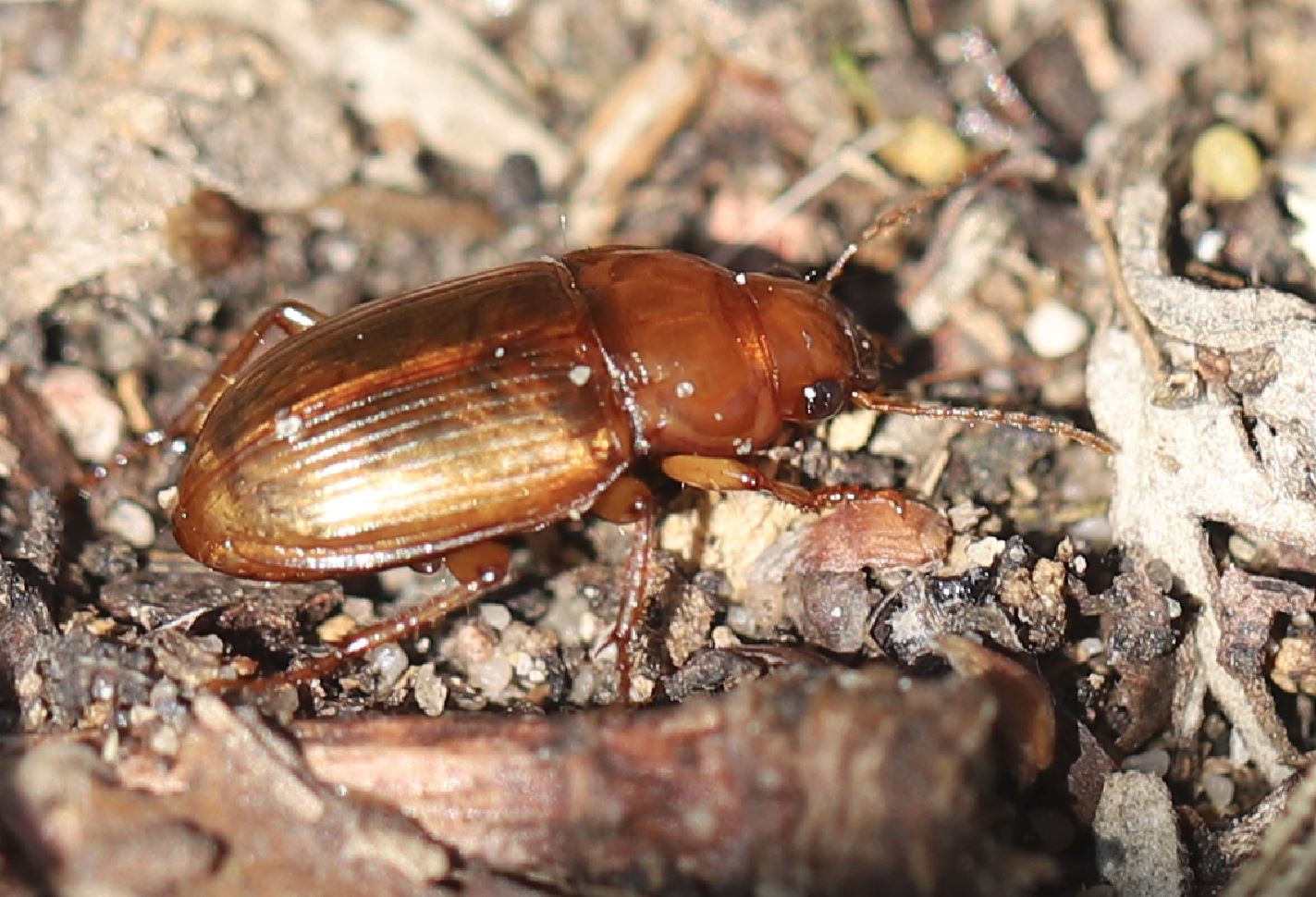
gul frölöpare
CRHarpalus flavescens
Harpalus flavescens, the yellow-legged ground beetle, faces severe population declines primarily due to habitat loss and degradation of its specialized sandy coastal and dune environments. Agricultural intensification, coastal development, and changes in land management practices have eliminated much of its suitable habitat across its limited range.

gul gaddbagge
CRMordellistena neuwaldeggiana
Mordellistena neuwaldeggiana, the gul gaddbagge, faces severe population decline primarily due to habitat loss and degradation of its specialized woodland environments. The species' extremely limited distribution and specific ecological requirements make it particularly vulnerable to environmental changes and human disturbance.
gul hattlavssnyltare
CREpilichen scabrosus
Epilichen scabrosus faces severe threats from habitat degradation due to air pollution and climate change, which disrupts the delicate balance required for this lichen species to survive. The species is particularly vulnerable to changes in air quality and atmospheric conditions, as lichens are highly sensitive bioindicators that cannot tolerate pollutants and environmental disturbances.
gul jätteknäppare
CRStenagostus rufus
Stenagostus rufus is critically endangered primarily due to habitat loss from deforestation and forest fragmentation in its limited range. The species depends on old-growth forests with specific microhabitat requirements, making it extremely vulnerable to logging and land conversion. Climate change may further threaten the species by altering forest composition and reducing suitable habitat.

gul kulhalsbock
ENGnathacmaeops pratensis
Gnathacmaeops pratensis is declining primarily due to habitat loss and degradation of its specialized grassland and meadow environments. Agricultural intensification, urbanization, and changes in traditional land management practices have significantly reduced the availability of suitable breeding and feeding habitats for this longhorn beetle species.

gul lammticka
VUAlbatrellus citrinus
gul mjukporing
ENAnomoloma albolutescens
Anomoloma albolutescens faces severe population declines primarily due to habitat loss from deforestation and forest degradation in its limited range. The species' specialized ecological requirements and small population size make it particularly vulnerable to environmental changes and human disturbance.
gul pysslinglav
VUThelopsis flaveola
Gul skægrovflue
CRMachimus gonatistes
Machimus gonatistes, a robber fly species, faces severe population decline primarily due to habitat loss and degradation of its specialized coastal and sandy habitat requirements. The species has an extremely limited distribution range, making it highly vulnerable to local environmental changes and human disturbance. Climate change and coastal development further threaten the remaining suitable habitats.
gul snäppfluga
ENRhagio immaculatus
Rhagio immaculatus, the gul snäppfluga, faces severe population declines primarily due to habitat loss and degradation of its specialized wetland environments. The species is particularly vulnerable to changes in water quality and hydrological patterns that affect its breeding sites and prey availability.
gul stiftlav
CRPertusaria flavocorallina
Pertusaria flavocorallina, a critically endangered lichen species, faces severe decline primarily due to habitat loss and degradation of its specialized coastal and maritime environments. Air pollution, particularly from sulfur dioxide and nitrogen compounds, significantly impacts this sensitive lichen species. Climate change and coastal development further threaten the remaining populations of this rare species.
gul ullblomfluga
VUMallota megilliformis
gulbent vedblomfluga
VUXylota xanthocnema

guldanguloa
ENAnguloa clowesii
Anguloa clowesii faces severe population decline primarily due to habitat destruction from deforestation, agricultural expansion, and urban development in its native Andean cloud forest ecosystems. The species is also threatened by overcollection for the international orchid trade, as it is highly prized by collectors for its distinctive tulip-like flowers and fragrant blooms.

guldbandgräsminerarmal
VUElachista chrysodesmella

guldfläckspraktmal
ENDecantha borkhausenii
The species faces significant pressure from habitat fragmentation and the loss of its specialized host plants due to agricultural intensification and urban development. Climate change is also altering the timing of its life cycle, creating mismatches with critical food resources and potentially disrupting breeding success.
guldsmalbi
CRLasioglossum aeratum
Lasioglossum aeratum, known as the guldsmalbi, faces severe population decline primarily due to habitat loss and degradation of its specialized nesting sites. This solitary bee species has extremely limited distribution and is highly vulnerable to environmental changes affecting its host plants and nesting substrate. Climate change and human development pressures continue to fragment and reduce the quality of remaining suitable habitat.

gulfläckig igelkottsspinnare
ENHyphoraia aulica
The gulfläckig igelkottsspinnare (Hyphoraia aulica) is declining primarily due to habitat loss and fragmentation of its specialized grassland and heathland environments. Agricultural intensification, urbanization, and changes in traditional land management practices have significantly reduced the availability of suitable breeding and feeding habitats for this moth species.
gulhornad rovfluga
ENCyrtopogon luteicornis
The gulhornad rovfluga (Cyrtopogon luteicornis) is declining primarily due to habitat loss and degradation of its specialized sandy heath and dune environments. Agricultural intensification, urban development, and changes in land management practices have significantly reduced the availability of suitable breeding and foraging habitats.
gulhuvad skaftstekelfluga
ENPhysocephala vittata
Physocephala vittata, a thick-headed fly species, faces severe population declines primarily due to habitat loss from agricultural intensification and urbanization of its specialized grassland and meadow habitats. The species' parasitic lifestyle, which depends on specific host bee and wasp species, makes it particularly vulnerable to disruptions in pollinator communities caused by pesticide use and habitat fragmentation.

Gull-billed Tern
CRGelochelidon nilotica
The Gull-billed Tern faces severe population declines primarily due to habitat loss and degradation of coastal wetlands, nesting sites, and feeding areas. Human disturbance at breeding colonies, coastal development, and climate change impacts on sea levels and prey availability are driving this species toward extinction.
gullkorallsopp
CRRamaria brunneicontusa
Ramaria brunneicontusa (gullkorallsopp) is critically endangered primarily due to habitat loss and degradation of old-growth forests where this coral fungus species depends on specific mycorrhizal relationships. The species has extremely limited distribution and appears to be highly sensitive to environmental changes, making it vulnerable to extinction from even minor habitat disturbances.
gulløyelav
CRSolitaria chrysophthalma
Solitaria chrysophthalma faces severe population declines due to extensive habitat destruction from deforestation and agricultural expansion across its limited range. The species' specialized habitat requirements and small, fragmented populations make it extremely vulnerable to environmental changes and human disturbance.
gulpalpsmossmal
VUBryotropha plantariella
Gulplettet spiralhårsflue
VUPlatycheirus transfugus

gulporig ticka
VUDiplomitoporus flavescens
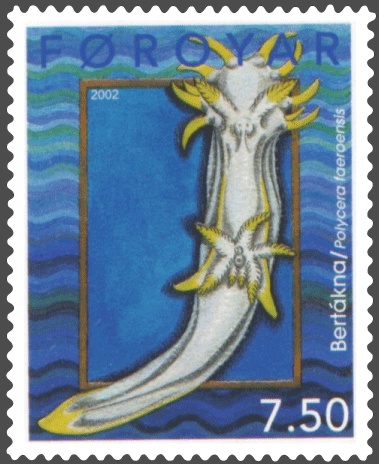
gulskäggsnuding
VUPolycera faeroensis
gulsporresmalvivel
VUMecinus heydeni
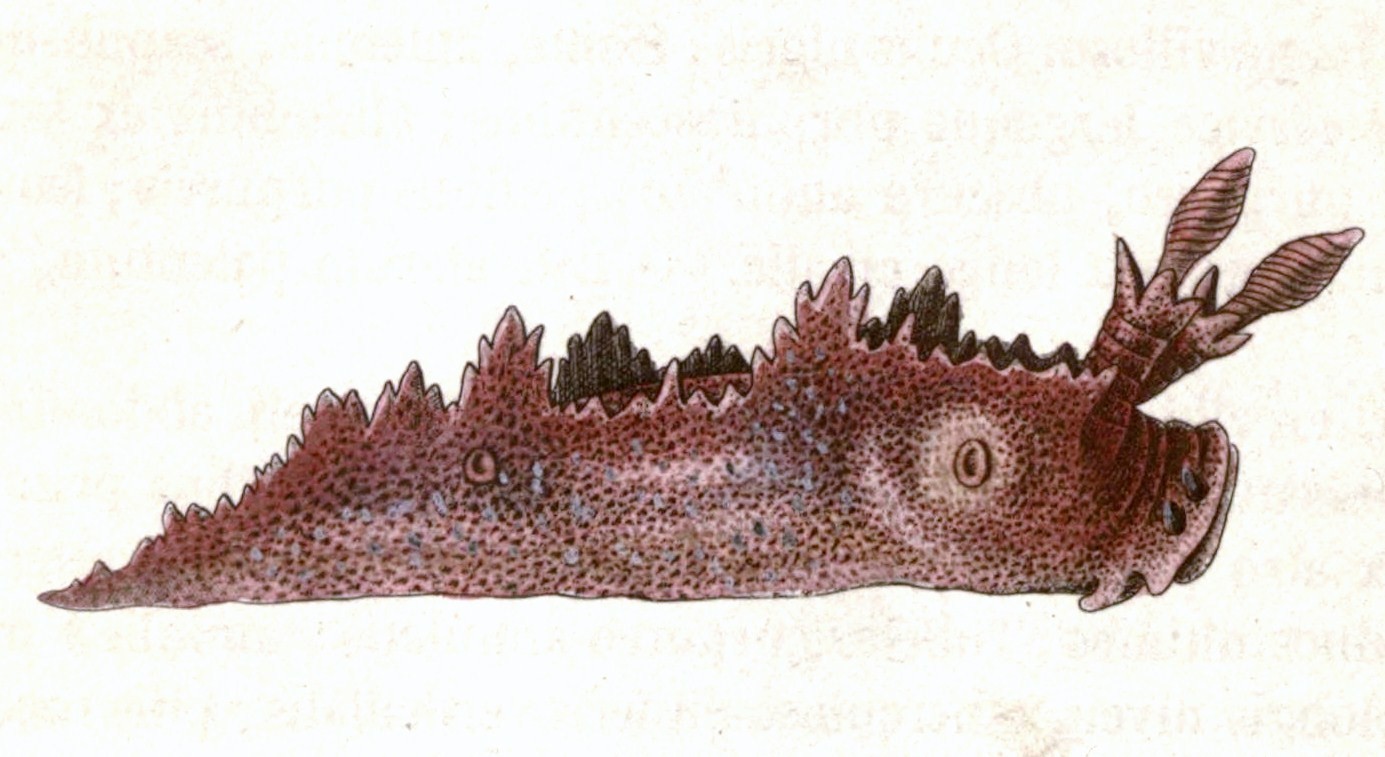
gultoppad volangnuding
VULomanotus genei

Gulvinget engsvirreflue
VUChrysogaster cemiteriorum
Gundia Frog
CRIndirana gundia
The Gundia Frog faces severe threats primarily from habitat destruction due to deforestation, agricultural expansion, and human encroachment in its limited range in the Western Ghats of India. The species is particularly vulnerable due to its restricted distribution and dependence on specific forest stream habitats that are increasingly fragmented and degraded.
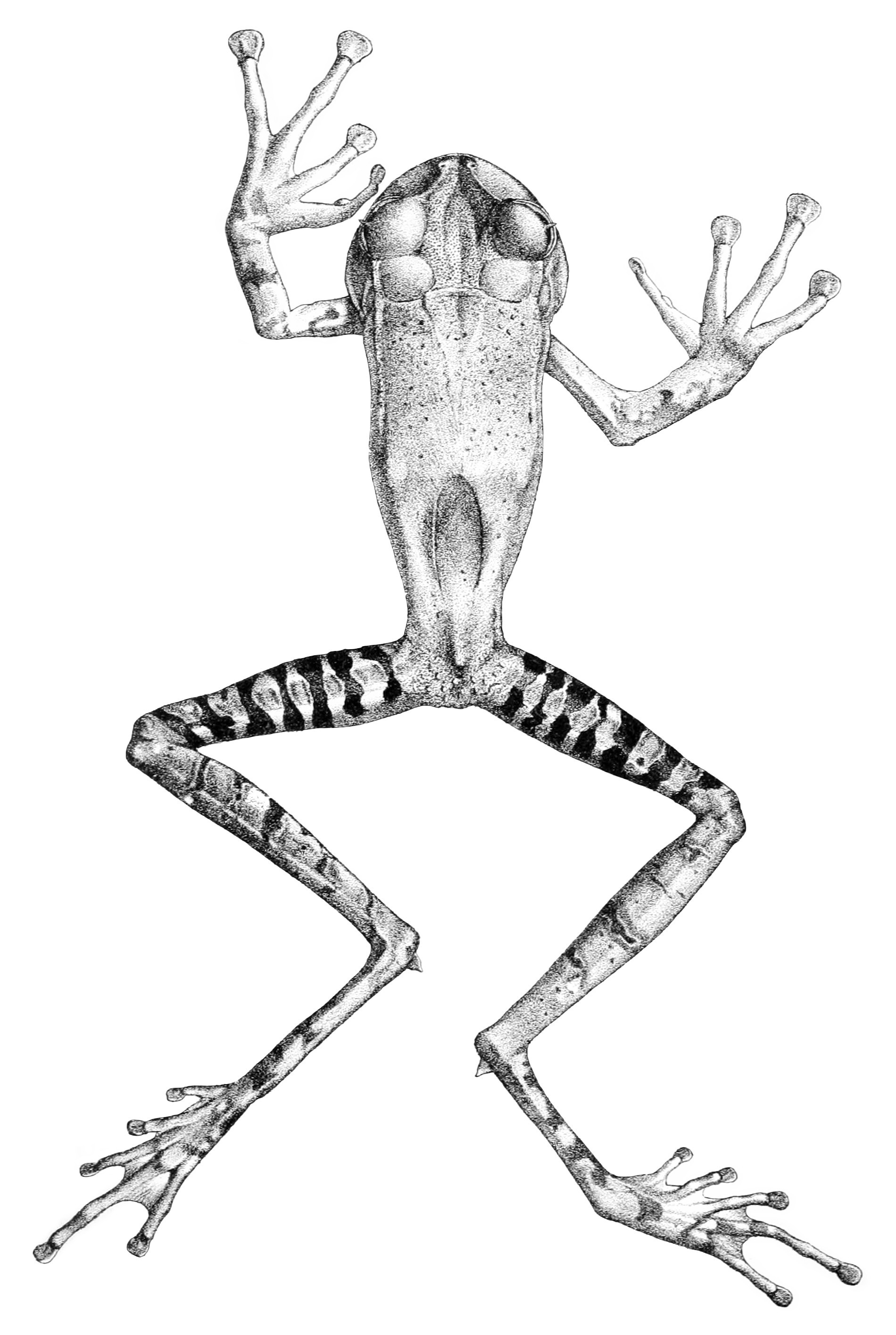
Gunther's Marsupial Frog
CRGastrotheca guentheri
Gunther's Marsupial Frog faces severe threats primarily from habitat destruction due to deforestation, agricultural expansion, and urban development in its limited montane cloud forest range in Ecuador. Climate change poses an additional significant threat by altering the temperature and humidity conditions essential for this species' survival and reproduction.

Gymnadénie noire, Gymnadénia noir, Nigritelle noire, Orchis vanille
ENGymnadenia nigra
Gymnadenia nigra is declining primarily due to habitat loss and degradation of its specialized alpine and subalpine grassland environments. Climate change poses an additional significant threat as warming temperatures force this cold-adapted species to retreat to higher elevations with increasingly limited suitable habitat.

gyttrad kalkspricklav
VUAcarospora cervina

ha’agi gohutu, ha’agi gohotu
CRPelagodoxa henryana
Pelagodoxa henryana, endemic to the Marquesas Islands in French Polynesia, faces severe threats from habitat destruction and invasive species. The species' extremely limited range makes it particularly vulnerable to local disturbances, with introduced herbivores and habitat conversion for agriculture being primary concerns. Climate change and sea level rise pose additional long-term threats to this critically endangered palm.
Haarbock
VUCyrtoclytus capra
Hængesækkvikløber
CRAgonum munsteri
Agonum munsteri, a ground beetle endemic to Denmark, faces severe threats from habitat loss and degradation of its specialized coastal dune and sandy grassland environments. The species' extremely limited distribution makes it highly vulnerable to local environmental changes and human disturbance. Climate change and coastal development further threaten the remaining suitable habitat patches.
hagak-hak
CRDipterocarpus kunstleri
Dipterocarpus kunstleri faces severe population decline primarily due to extensive deforestation and habitat conversion for palm oil plantations and agricultural development across its native range in Peninsular Malaysia and southern Thailand. The species' large size and valuable timber make it a target for selective logging, while its slow growth and specific habitat requirements limit natural regeneration in fragmented landscapes.
Hagen's distichium moss
VUDistichium hagenii
hagstumpbagge
CRAtholus praetermissus
The hagstumpbagge (Atholus praetermissus) faces severe population decline primarily due to habitat destruction from agricultural expansion and urban development in its limited range. Climate change is altering the specific microhabitat conditions this beetle species requires, while invasive species compete for resources and disrupt ecosystem balance.