ENEndangered

gulhuvad skaftstekelfluga

Physocephala vittata

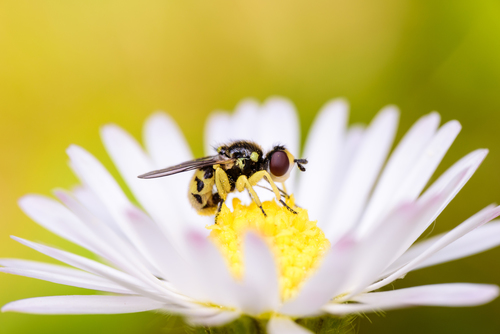
Physocephala vittata is a distinctive thick-headed fly species characterized by its robust build, prominent head, and striped abdomen pattern. As a parasitoid, it plays a crucial ecological role by targeting specific bee and wasp hosts, with females intercepting their prey in flight to deposit eggs that develop internally within the living host.

32

Countries

01Classification

Taxonomy & Classification

Kingdom

Animalia

Phylum

Arthropoda

Class

Insecta

Order

Diptera

Family

Conopidae

Genus

Physocephala

gulhuvad skaftstekelfluga belongs to the family Conopidae, order Diptera, within the Insecta class.

02Description

Species Profile

Physocephala vittata is a distinctive thick-headed fly species characterized by its robust build, prominent head, and striped abdomen pattern. As a parasitoid, it plays a crucial ecological role by targeting specific bee and wasp hosts, with females intercepting their prey in flight to deposit eggs that develop internally within the living host.

Physocephala vittata, a thick-headed fly species, faces severe population declines primarily due to habitat loss from agricultural intensification and urbanization of its specialized grassland and meadow habitats. The species' parasitic lifestyle, which depends on specific host bee and wasp species, makes it particularly vulnerable to disruptions in pollinator communities caused by pesticide use and habitat fragmentation.

Key Facts

IUCN StatusEndangered (EN)
GroupInsects
03Habitat

Habitat & Distribution

This species inhabits flower-rich meadows, forest edges, and traditional agricultural landscapes where diverse wild bee and wasp communities thrive. It requires areas with abundant nectar sources for adult feeding and suitable nesting sites for its host species.

04Threats

Threats

!

IUCN Red List: Endangered

Physocephala vittata, a thick-headed fly species, faces severe population declines primarily due to habitat loss from agricultural intensification and urbanization of its specialized grassland and meadow habitats. The species' parasitic lifestyle, which depends on specific host bee and wasp species, makes it particularly vulnerable to disruptions in pollinator communities caused by pesticide use and habitat fragmentation.

Agricultural intensification and conversion of natural grasslands

HighOngoing

Habitat fragmentation and loss of flower-rich meadows

HighOngoing

Pesticide use affecting host pollinator populations

HighOngoing

Climate change altering seasonal timing with host species

MediumOngoing

Urban development and infrastructure expansion

MediumOngoing
Community

Community Sightings

Report a sighting

No community sightings yet. Be the first to report!

07Sources

Sources & Attribution

How to Cite

IUCN: IUCN (2025). The IUCN Red List of Threatened Species. Version 2025-1. Available at: https://www.iucnredlist.org. doi:10.2305/IUCN.UK.2025-1.RLTS

GBIF: GBIF.org (2025). GBIF Home Page. Available at: https://www.gbif.org

This page: SpeciesRadar (2025). gulhuvad skaftstekelfluga (Physocephala vittata). SpeciesRadar: Intelligence for Earth's Biodiversity. Available at: https://speciesradar.org/species/gulhuvad-skaftstekelfluga

Full citation guide & data usage terms