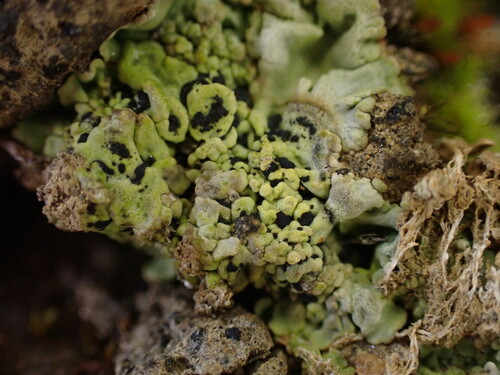
epilichen lichen
Epilichen scabrosus
Photo: Photo: (c) Eva Ullström, some rights reserved (CC BY-NC), uploaded by Eva Ullström
Overview
Epilichen scabrosus is a rare crustose lichen species characterized by its distinctive rough, scabrous thallus surface and yellowish-gray coloration. This specialized lichen forms symbiotic relationships with specific algal partners and plays a crucial role in nutrient cycling and soil stabilization in its native ecosystems.
Epilichen scabrosus faces severe threats from habitat degradation due to air pollution and climate change, which disrupts the delicate balance required for this lichen species to survive. The species is particularly vulnerable to changes in air quality and atmospheric conditions, as lichens are highly sensitive bioindicators that cannot tolerate pollutants and environmental disturbances.
Habitat
This lichen species typically grows on bark of deciduous trees and rocky substrates in temperate forests and woodland edges. It requires specific microclimate conditions with moderate humidity and clean air quality to establish and maintain viable populations.
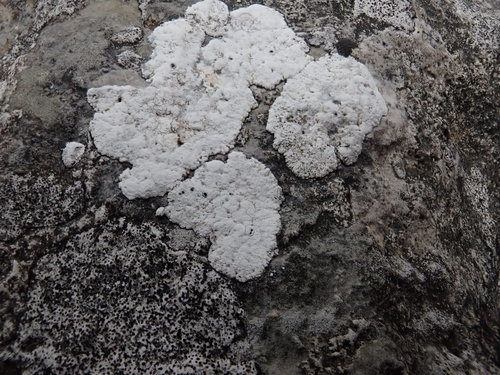
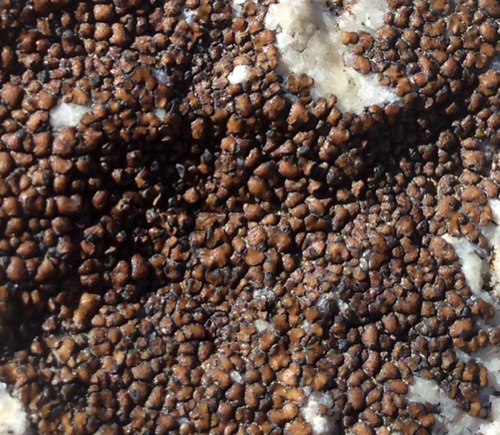
Other threatened species in Rhizocarpaceae

Frequently asked questions
Why is epilichen lichen classified as Critically Endangered?
Where does epilichen lichen live?
What are the main threats to epilichen lichen?
Get weekly conservation intelligence
One short digest a week of the most striking species and country data we ship, plus breaking conservation news paired with our database where it matters.
Free, no spam. One-click unsubscribe in every email.