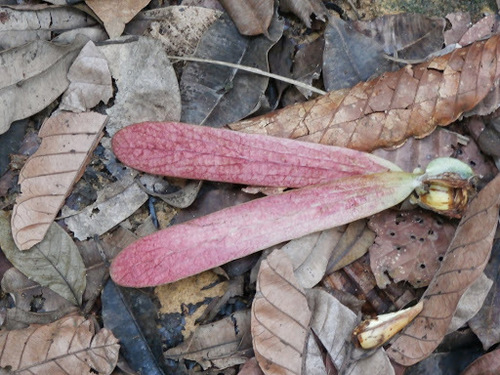
Dipterocarpus kunstleri
Photo: Photo: (c) 106611639464075912591, some rights reserved (CC BY-NC-SA), uploaded by 106611639464075912591
Overview
Dipterocarpus kunstleri is a species of tree in the family Dipterocarpaceae, native to Southeast Asia.
Dipterocarpus kunstleri faces severe population decline primarily due to extensive deforestation and habitat conversion for palm oil plantations and agricultural development across its native range in Peninsular Malaysia and southern Thailand. The species' large size and valuable timber make it a target for selective logging, while its slow growth and specific habitat requirements limit natural regeneration in fragmented landscapes.
Habitat
Dipterocarpus kunstleri is native to Sumatra, Peninsular Malaysia, Singapore, Borneo and the Philippines. Its habitat is primary forests, sometimes near rivers or on hills, up to elevation.
Other threatened species in Dipterocarpaceae

Frequently asked questions
Why is Dipterocarpus kunstleri classified as Critically Endangered?
Where does Dipterocarpus kunstleri live?
What are the main threats to Dipterocarpus kunstleri?
Get weekly conservation intelligence
One short digest a week of the most striking species and country data we ship, plus breaking conservation news paired with our database where it matters.
Free, no spam. One-click unsubscribe in every email.