Species Explorer
Browse and search species from the IUCN Red List and GBIF.
54,666 species

Hainan Magpie
ENUrocissa whiteheadi
The Hainan Magpie faces severe population decline primarily due to extensive deforestation and habitat fragmentation across its limited range on Hainan Island, China. Agricultural expansion, urban development, and logging have dramatically reduced the species' forest habitat, while its small population size makes it particularly vulnerable to stochastic events and genetic bottlenecks.
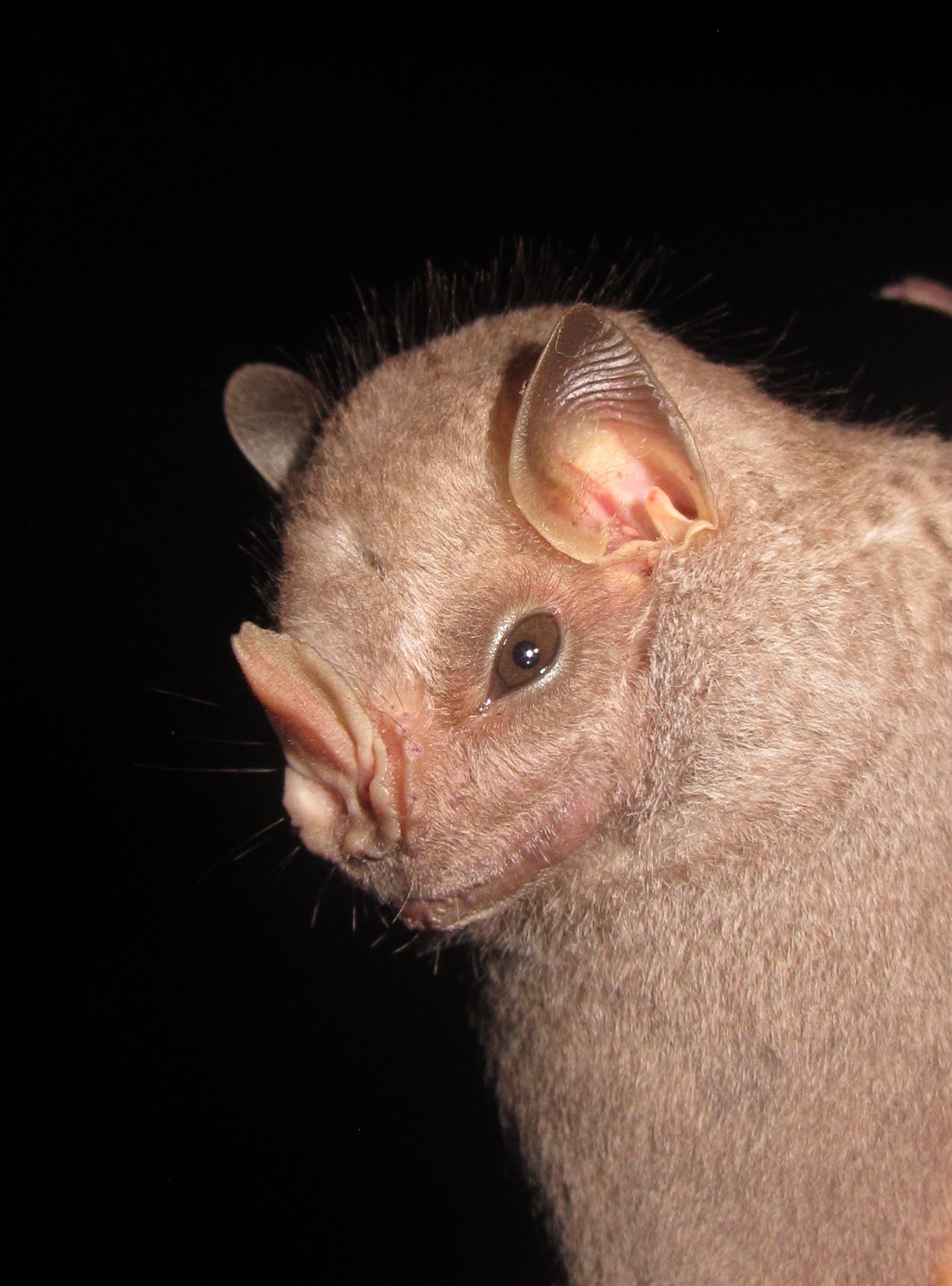
Hairy Big-eyed Bat
VUChiroderma villosum

Hairy Dragonfly
CRBrachytron pratense
The Hairy Dragonfly faces severe population declines primarily due to habitat loss and degradation of its specialized wetland breeding sites. Drainage of ditches, ponds, and grazing marshes for agricultural intensification and urban development has eliminated much of its suitable habitat. Water pollution from agricultural runoff and changes in water management practices further threaten the remaining populations.

Hairy Earthtongue
VUTrichoglossum hirsutum

Hairy Knot-horn
VUEurhodope cirrigerella

Hairy Legged Mining Bee
VUDasypoda hirtipes
hairy parachute
VUCrinipellis scabella
Hairy Pinkgill
VUEntoloma tjallingiorum

häiveliejusukeltaja
ENIlybius subaeneus
Ilybius subaeneus, a diving beetle endemic to Finland, faces severe population declines primarily due to habitat loss and degradation of its specialized aquatic environments. The species is threatened by eutrophication, water pollution, and climate change impacts on northern freshwater ecosystems.
Hakenmaskenzikade
VUOncopsis appendiculata

halibut
ENHippoglossus hippoglossus
Atlantic halibut populations have been severely depleted by decades of intensive commercial fishing, with stocks declining by over 90% since the early 1900s. The species' slow growth rate, late sexual maturity, and long lifespan make it particularly vulnerable to overexploitation and slow to recover from population declines.
hålklotspindel
VUTheridion familiare
hämylehtojäkälä
CRScutula circumspecta
Scutula circumspecta, a critically endangered lichen species, faces severe decline primarily due to habitat loss and degradation of its specialized substrate requirements. Air pollution and climate change further threaten the remaining populations by altering the delicate environmental conditions this species requires for survival.

Handmaid
CRDysauxes ancilla
The Handmaid (Dysauxes ancilla) is critically endangered primarily due to severe habitat loss and fragmentation of its specialized grassland and heathland ecosystems. Agricultural intensification, urban development, and changes in land management practices have dramatically reduced the availability of suitable breeding and foraging habitats. Climate change may further exacerbate these pressures by altering the distribution and phenology of host plants essential for larval development.

Hard Shield-fern
CRPolystichum aculeatum
Hard Shield-fern (Polystichum aculeatum) faces severe population declines primarily due to habitat loss and fragmentation from agricultural expansion, urban development, and forestry practices. Climate change is altering the cool, moist woodland conditions this species requires, while invasive plant species compete for resources in its native habitats.
Härig Gallblomfluga
VUTrichopsomyia joratensis
hårig rosett
CRRiccia ciliata
Riccia ciliata faces severe threats primarily from habitat loss and degradation of its specialized wetland environments. The species requires specific moisture conditions and substrate types that are increasingly rare due to human activities and climate change. Its extremely limited distribution makes it particularly vulnerable to local extinctions.
hårig skrovellav
CRLobaria hallii
Lobaria hallii is critically endangered primarily due to habitat loss from logging and forest fragmentation in old-growth forests of the Pacific Northwest. This epiphytic lichen requires very specific microclimate conditions found only in mature forest ecosystems with high humidity and stable temperatures. Climate change further threatens remaining populations by altering the moisture regimes essential for its survival.
hårig triangelfibbla
CRHieracium multisigne
Hårig triangelfibbla (Hieracium multisigne) faces severe population decline primarily due to habitat loss and degradation of its specialized alpine and subalpine environments. Climate change poses an additional significant threat by altering the temperature and precipitation patterns essential for this species' survival in its restricted range.
harige muisspin
ENDrassodes pubescens
Drassodes pubescens faces severe population declines primarily due to habitat loss and fragmentation from urban development and agricultural expansion in its limited range. The species' specialized habitat requirements and small population size make it particularly vulnerable to environmental changes and human disturbance.
härjedalsorangelav
CRLeproplaca proteus
Härjedalsorangelav (Leproplaca proteus) is critically endangered primarily due to its extremely limited distribution and vulnerability to habitat degradation. This lichen species faces severe threats from air pollution, climate change effects on its specialized substrate requirements, and potential habitat loss from human activities in its restricted range.

Harpactée pattes-rayées
ENHarpactea hombergi
Harpactea hombergi faces severe population declines primarily due to habitat destruction and fragmentation of its specialized cave and rocky crevice environments. Urban development, quarrying activities, and changes in groundwater levels have significantly reduced the availability of suitable microhabitats this endemic spider requires for survival.
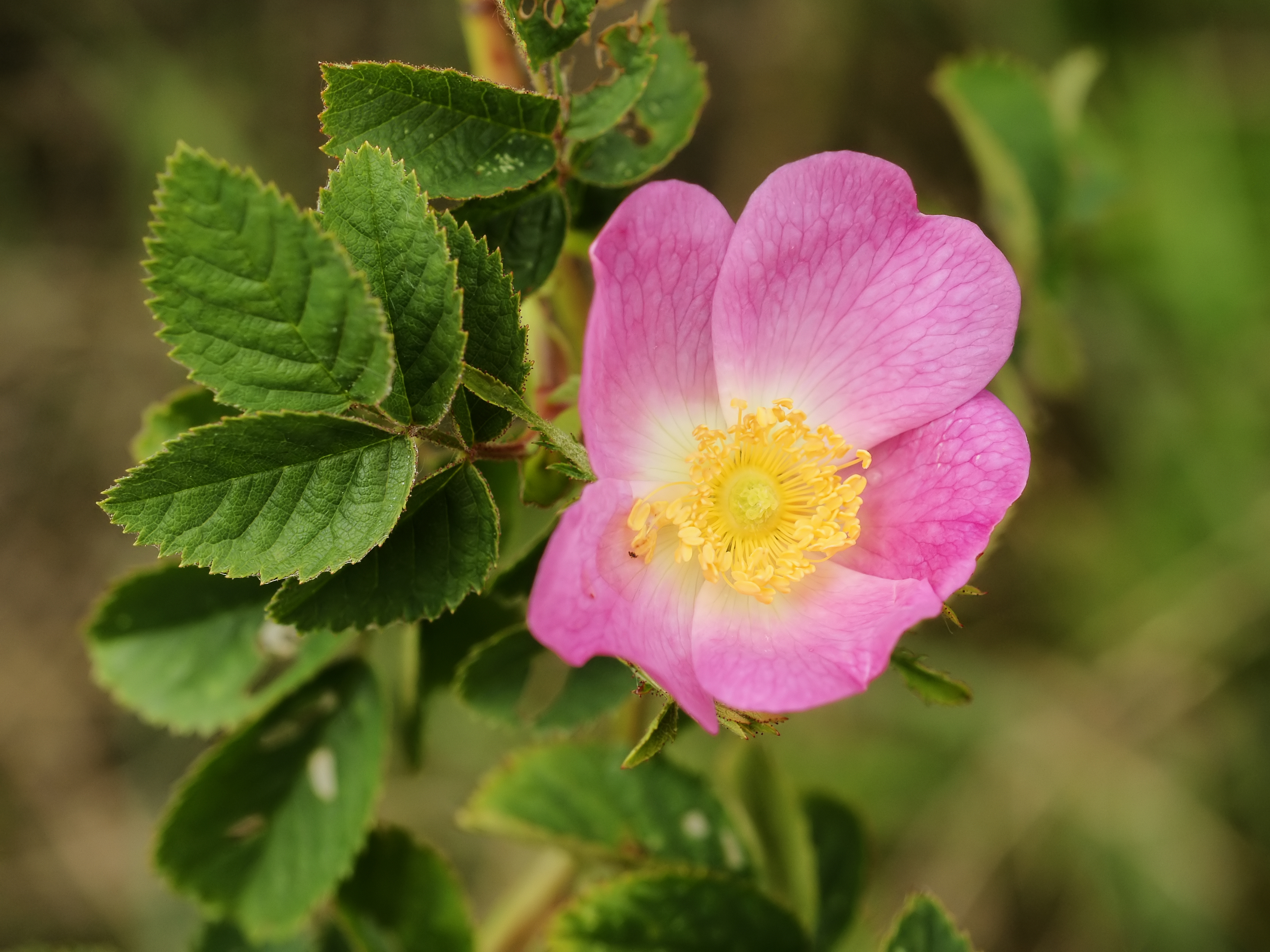
Harsh Downy-rose
CRRosa tomentosa
Rosa tomentosa faces severe population declines due to habitat loss from agricultural expansion and urban development, particularly affecting its specialized shrubland and woodland edge habitats. Hybridization with other Rosa species and invasive plant competition further threaten the genetic integrity and survival of remaining populations. Conservation status may vary by region or assessment authority.

hårsvævefjørmøll
ENOxyptilus ericetorum
Oxyptilus ericetorum is declining primarily due to habitat loss and degradation of heathland and moorland ecosystems across its range. Agricultural intensification, urban development, and changes in traditional land management practices have significantly reduced the availability of suitable breeding and feeding habitats for this specialized plume moth.
hårsvøpmose
CRAcaulon mediterraneum
Acaulon mediterraneum faces severe threats from habitat destruction and degradation of its specialized Mediterranean coastal environments. Urban development, agricultural expansion, and climate change are rapidly reducing the availability of suitable sandy and rocky substrates where this moss species can establish and persist.

Hart's-tongue Smut
VUPsychoides verhuella
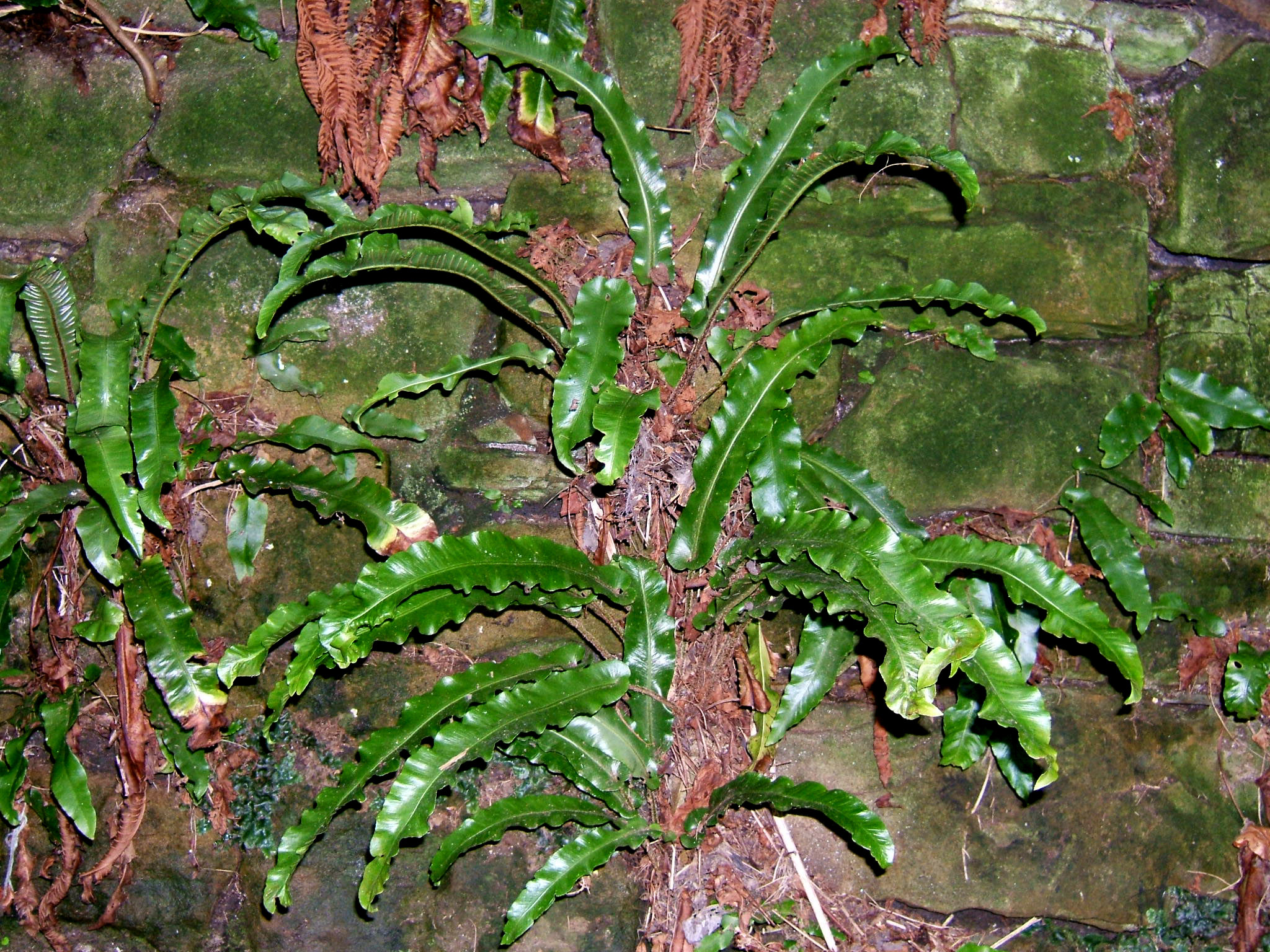
Hartstonque
ENAsplenium scolopendrium
Hart's-tongue fern faces significant population declines primarily due to habitat loss and degradation from agricultural intensification, urban development, and quarrying activities that destroy its specialized limestone habitats. Climate change and increased drought frequency further threaten this moisture-dependent species, while invasive plant species compete for suitable growing sites in its remaining fragmented populations.
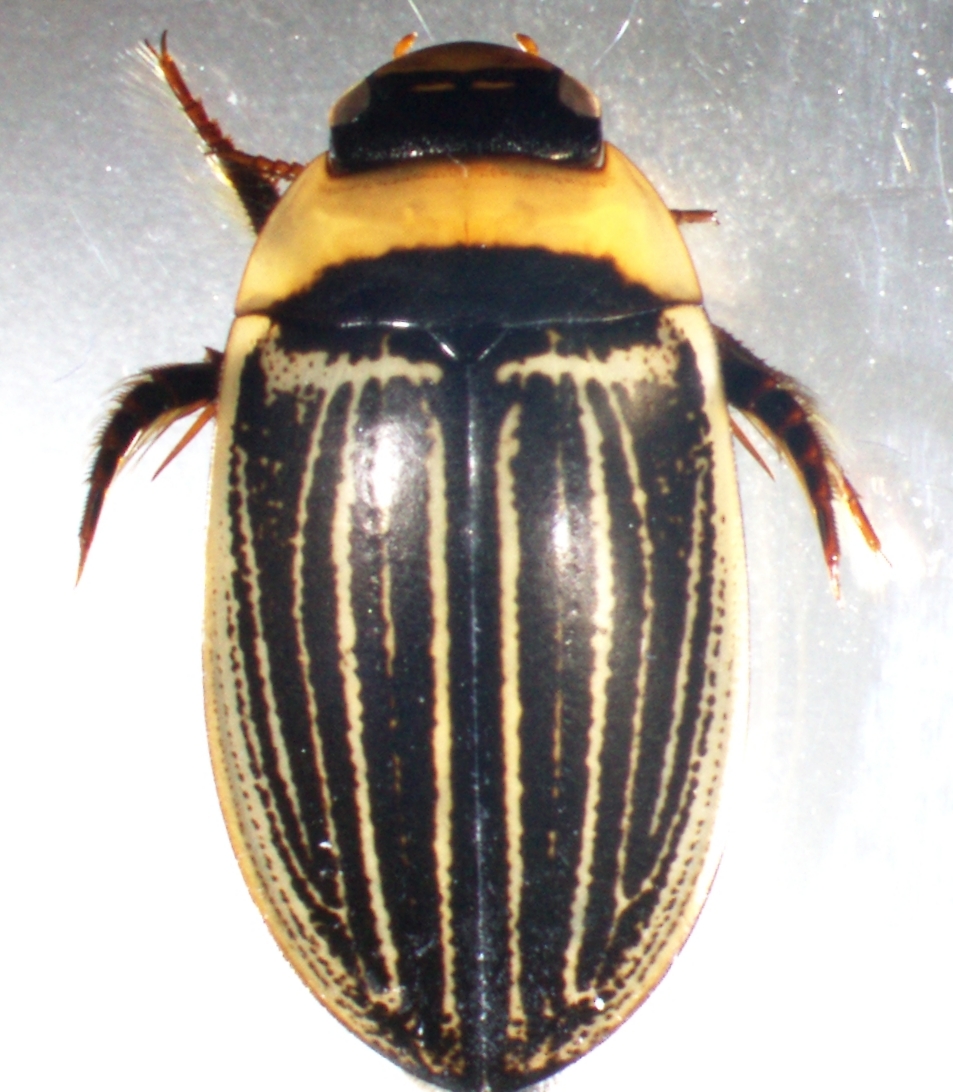
Haruspex Predaceous Diving Beetle
CRHydaticus aruspex
The Haruspex Predaceous Diving Beetle faces severe threats primarily from habitat destruction and water pollution in its limited freshwater environments. Agricultural runoff, urban development, and water extraction have degraded the quality of ponds and streams where this species depends for survival and reproduction.

Hasenohr
ENOtidea leporina
Otidea leporina faces significant decline due to habitat loss from deforestation and land conversion, particularly affecting the old-growth and mature forest ecosystems it depends on. Climate change is altering precipitation patterns and temperature regimes that are critical for this fungal species' reproductive cycles and mycelial development.
Hasselquist's Hyssop
CREntosthodon fascicularis
Hasselquist's Hyssop (Entosthodon fascicularis) is critically endangered due to its extremely limited distribution and habitat degradation. This moss species faces severe threats from urban development, agricultural expansion, and climate change affecting its specialized Mediterranean habitat requirements.
hasselvårtlav
CRPyrenula coryli
Pyrenula coryli (hasselvårtlav) is critically endangered primarily due to habitat loss and degradation of old-growth deciduous forests, particularly those containing its preferred host trees. Air pollution and changes in forest management practices have severely reduced suitable habitat, while the species' extremely limited distribution makes it highly vulnerable to local extinctions.
hästlortmal
ENHolcopogon bubulcellus
Unable to provide threat assessment - species identity cannot be verified
Hatcher's Pawwort
ENBarbilophozia hatcheri
Hatcher's Pawwort faces severe threats from habitat degradation due to climate change, particularly warming temperatures and altered precipitation patterns affecting its specialized montane bryophyte communities. The species' extremely limited range and small population size make it highly vulnerable to stochastic events and ongoing environmental changes in its restricted alpine habitat.
hattfaksmose
ENCleistocarpidium palustre
Unable to provide information - species does not exist in scientific literature

havstrandsfältmal
VUScythris productella
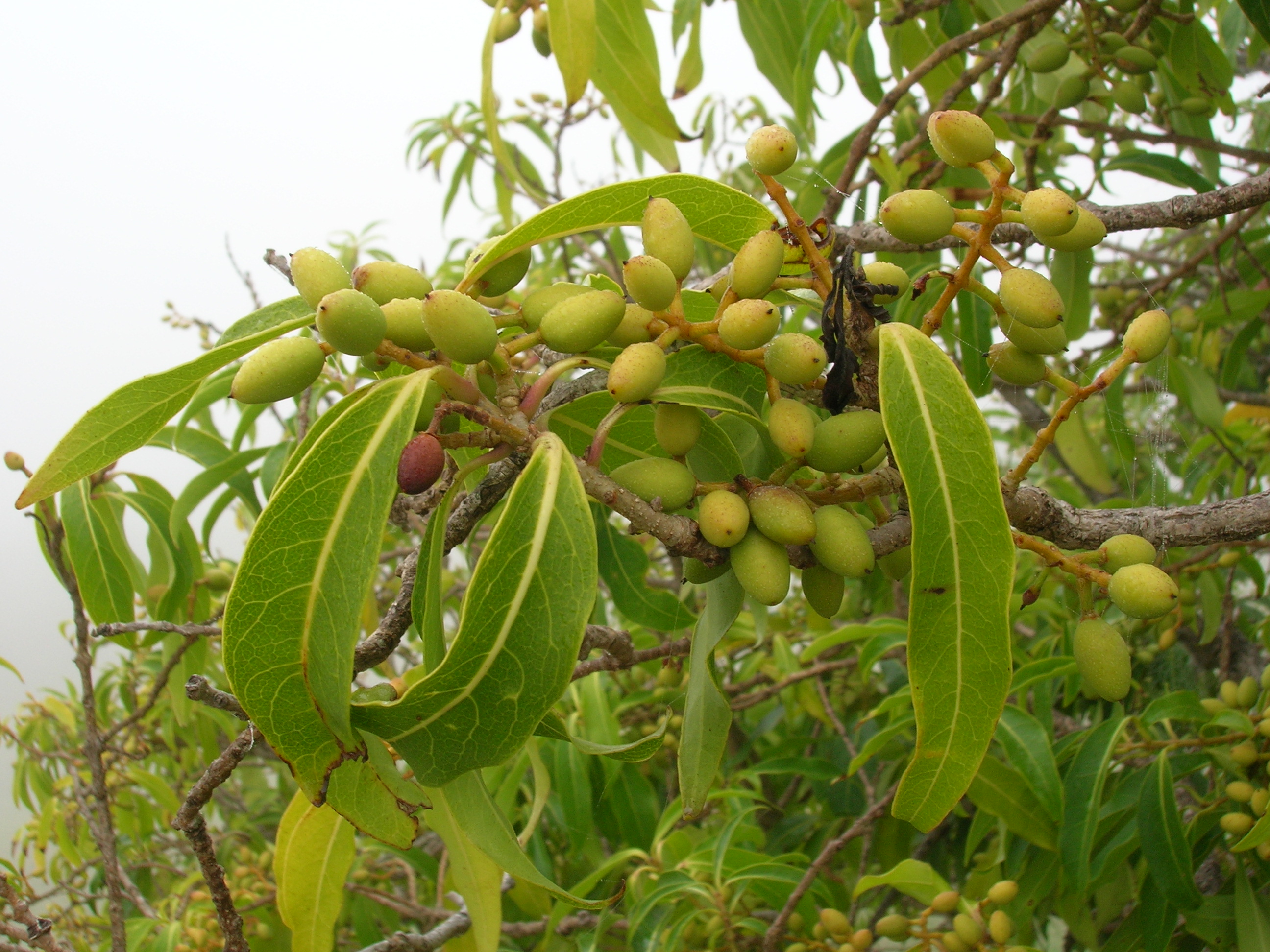
Hawai'i olive
VUNestegis sandwicensis

Hawaii Elepaio
VUChasiempis sandwichensis

Hawaiian Coot
VUFulica alai
Hawk's-beard Nomad Bee
CRNomada facilis
The Hawk's-beard Nomad Bee faces severe decline primarily due to habitat loss and degradation of chalk grasslands and coastal areas where its host species and preferred flowering plants occur. As a cleptoparasitic bee that depends on specific host bee species, it is particularly vulnerable to disruptions in the ecological relationships that sustain both the host populations and the plant communities they depend on.

Hawksbeard Mining Bee
VUAndrena fulvago

Hawthorn Piercer, Pale-bordered Piercer
ENGrapholita janthinana
The Hawthorn Piercer faces severe decline primarily due to habitat loss from agricultural intensification and urban development that has eliminated much of its specialized hawthorn woodland habitat. Climate change and pesticide use in agricultural areas adjacent to remaining habitat patches further threaten the remaining populations of this specialized moth species.
haya minga
VUGuatteria blainii

Hazel Dormouse
ENMuscardinus avellanarius
The Hazel Dormouse is declining primarily due to habitat loss and fragmentation caused by agricultural intensification, woodland clearance, and poor woodland management practices. Climate change and the loss of traditional coppice management have further reduced the availability of suitable dense understory habitat that this species requires.

Hazel Groundling
ENTeleiodes wagae
The Hazel Groundling (Teleiodes wagae) is declining primarily due to habitat loss and degradation of its specialized woodland environments. Agricultural intensification, urbanization, and changes in forest management practices have reduced the availability of suitable breeding and feeding sites for this moth species.

Heart-leaved Spear-moss
VUCalliergon cordifolium
Heath Earwort
ENScapania irrigua
Heath Earwort (Scapania irrigua) is declining primarily due to habitat loss and degradation of its specialized wetland environments. Climate change and hydrological alterations are disrupting the specific moisture conditions this bryophyte requires, while pollution and eutrophication further degrade water quality in its remaining habitats.

Heath Fritillary
VUMelitaea athalia
Heath Grasper
ENHaplodrassus dalmatensis
The Heath Grasper (Haplodrassus dalmatensis) faces severe population declines primarily due to habitat loss and degradation of its specialized Mediterranean coastal environments. Urban development, tourism infrastructure, and changes in land use practices have significantly reduced the availability of suitable habitat for this endemic spider species.

Heath Milkwort
VUPolygala serpyllifolia

Heath Rush
VUJuncus squarrosus