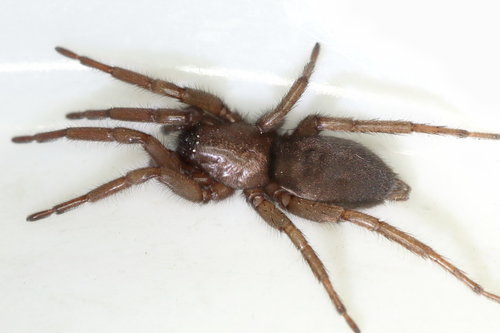
gul kulhalsbock
ENEndangered

gul kulhalsbock

Gnathacmaeops pratensis

Gnathacmaeops pratensis is a species of the Lepturinae subfamily in the long-horned beetle family. This beetle is distributed in Austria, Belarus, Bosnia and Herzegovina, Bulgaria, Canada, Croatia, Czech Republic, Estonia, Finland, France, Germany, Hungary, China, Italy, Kazakhstan, Latvia, Lithuania, Moldova, Mongolia, Montenegro, North Macedonia, Norway, Poland, Romania, Russia, Serbia, Slovakia, Slovenia, Spain, Sweden, Switzerland, Ukraine, and the United States.

20

Countries

Photo: Wikimedia Commons (CC) via https://en.wikipedia.org/wiki/Gnathacmaeops_pratensis

01Classification

Taxonomy & Classification

Kingdom

Animalia

Phylum

Arthropoda

Class

Insecta

Order

Coleoptera

Family

Cerambycidae

Genus

Gnathacmaeops

gul kulhalsbock belongs to the family Cerambycidae, order Coleoptera, within the Insecta class.

02Description

Species Profile

Gnathacmaeops pratensis is a species of the Lepturinae subfamily in the long-horned beetle family. This beetle is distributed in Austria, Belarus, Bosnia and Herzegovina, Bulgaria, Canada, Croatia, Czech Republic, Estonia, Finland, France, Germany, Hungary, China, Italy, Kazakhstan, Latvia, Lithuania, Moldova, Mongolia, Montenegro, North Macedonia, Norway, Poland, Romania, Russia, Serbia, Slovakia, Slovenia, Spain, Sweden, Switzerland, Ukraine, and the United States. The adult beetle feeds on Norway spruce.

Gnathacmaeops pratensis is declining primarily due to habitat loss and degradation of its specialized grassland and meadow environments. Agricultural intensification, urbanization, and changes in traditional land management practices have significantly reduced the availability of suitable breeding and feeding habitats for this longhorn beetle species.

Key Facts

IUCN StatusEndangered (EN)
GroupInsects
04Threats

Threats

!

IUCN Red List: Endangered

Gnathacmaeops pratensis is declining primarily due to habitat loss and degradation of its specialized grassland and meadow environments. Agricultural intensification, urbanization, and changes in traditional land management practices have significantly reduced the availability of suitable breeding and feeding habitats for this longhorn beetle species.

Agricultural intensification and conversion of grasslands

HighOngoing

Loss of traditional meadow management practices

HighOngoing

Changes in grazing regimes

MediumOngoing

Climate change affecting host plant availability

MediumOngoing

Urban development and habitat fragmentation

MediumOngoing
Community

Community Sightings

Report a sighting

No community sightings yet. Be the first to report!

07Sources

Sources & Attribution

How to Cite

IUCN: IUCN (2025). The IUCN Red List of Threatened Species. Version 2025-1. Available at: https://www.iucnredlist.org. doi:10.2305/IUCN.UK.2025-1.RLTS

GBIF: GBIF.org (2025). GBIF Home Page. Available at: https://www.gbif.org

This page: SpeciesRadar (2025). gul kulhalsbock (Gnathacmaeops pratensis). SpeciesRadar: Intelligence for Earth's Biodiversity. Available at: https://speciesradar.org/species/gul-kulhalsbock

Full citation guide & data usage terms