CRCritically Endangered

guldsmalbi

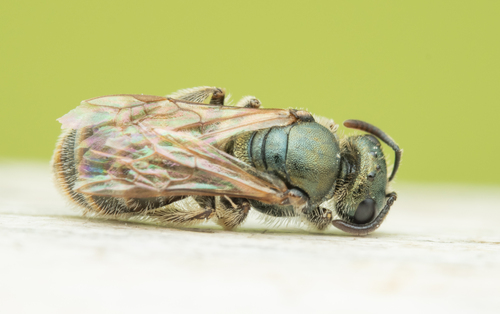
Lasioglossum aeratum

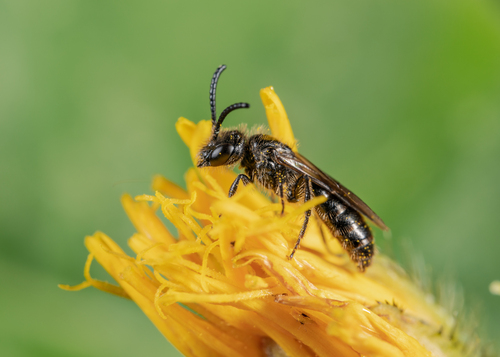
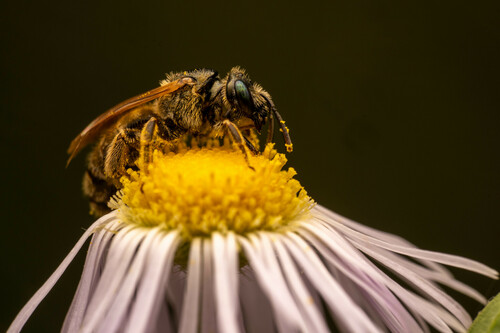
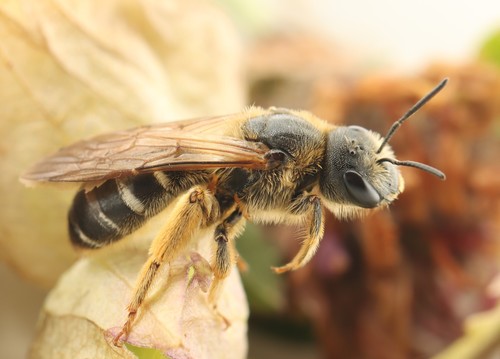
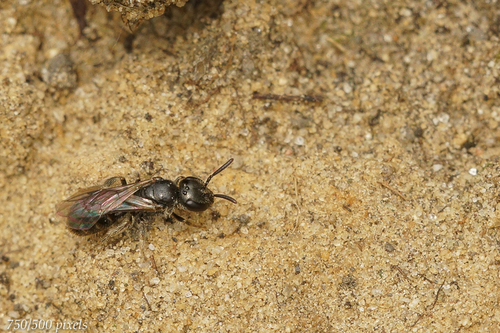
Lasioglossum aeratum, commonly known as guldsmalbi, is a small metallic sweat bee characterized by its distinctive bronze-green sheen and compact body typical of the Lasioglossum genus. This solitary to semi-social bee plays a crucial role as a pollinator of wildflowers and agricultural crops in its native range, with females constructing ground nests in sandy or clay soils.

34

Countries

01Classification

Taxonomy & Classification

Kingdom

Animalia

Phylum

Arthropoda

Class

Insecta

Order

Hymenoptera

Family

Halictidae

Genus

Lasioglossum

guldsmalbi belongs to the family Halictidae, order Hymenoptera, within the Insecta class.

02Description

Species Profile

Lasioglossum aeratum, commonly known as guldsmalbi, is a small metallic sweat bee characterized by its distinctive bronze-green sheen and compact body typical of the Lasioglossum genus. This solitary to semi-social bee plays a crucial role as a pollinator of wildflowers and agricultural crops in its native range, with females constructing ground nests in sandy or clay soils.

Lasioglossum aeratum, known as the guldsmalbi, faces severe population decline primarily due to habitat loss and degradation of its specialized nesting sites. This solitary bee species has extremely limited distribution and is highly vulnerable to environmental changes affecting its host plants and nesting substrate. Climate change and human development pressures continue to fragment and reduce the quality of remaining suitable habitat.

Key Facts

IUCN StatusCritically Endangered (CR)
GroupInsects
03Habitat

Habitat & Distribution

Guldsmalbi inhabits open grasslands, meadows, and agricultural margins with exposed sandy or clay soils suitable for ground nesting. The species requires diverse flowering plant communities within close proximity to nesting areas, particularly favoring areas with sparse vegetation cover that facilitate nest construction.

04Threats

Threats

!

IUCN Red List: Critically Endangered

Lasioglossum aeratum, known as the guldsmalbi, faces severe population decline primarily due to habitat loss and degradation of its specialized nesting sites. This solitary bee species has extremely limited distribution and is highly vulnerable to environmental changes affecting its host plants and nesting substrate. Climate change and human development pressures continue to fragment and reduce the quality of remaining suitable habitat.

Agricultural intensification

HighOngoing

Habitat loss and fragmentation

HighOngoing

Loss of floral resources

HighOngoing

Climate change impacts

MediumOngoing

Small population size and genetic bottlenecks

MediumOngoing
07National Status

National vs Global Threat Status

How this species is assessed at the national level compared to its IUCN global status (CR).

CountryNational StatusGlobal StatusComparison
EULCLeast ConcernCRCritically EndangeredLower local risk

National Red List data sourced from the National Red List Project (nationalredlist.org, ZSL) and country-specific Red List authorities.

Community

Community Sightings

Report a sighting

No community sightings yet. Be the first to report!

07Sources

Sources & Attribution

How to Cite

IUCN: IUCN (2025). The IUCN Red List of Threatened Species. Version 2025-1. Available at: https://www.iucnredlist.org. doi:10.2305/IUCN.UK.2025-1.RLTS

GBIF: GBIF.org (2025). GBIF Home Page. Available at: https://www.gbif.org

National Red Lists: ZSL (2025). National Red List. Zoological Society of London. Available at: https://www.nationalredlist.org

This page: SpeciesRadar (2025). guldsmalbi (Lasioglossum aeratum). SpeciesRadar: Intelligence for Earth's Biodiversity. Available at: https://speciesradar.org/species/guldsmalbi

Full citation guide & data usage terms