Species Explorer
Browse and search species from the IUCN Red List and GBIF.
54,666 species

Corky-fruited Water-dropwort
CROenanthe pimpinelloides
Corky-fruited Water-dropwort faces severe population decline primarily due to habitat loss and degradation of wetland ecosystems. Agricultural intensification, urban development, and water management practices have significantly reduced suitable marsh and wet grassland habitats. The species' highly specialized ecological requirements make it particularly vulnerable to environmental changes.

Corn Buttercup
CRRanunculus arvensis
Corn Buttercup (Ranunculus arvensis) has declined dramatically due to agricultural intensification and modern farming practices that have eliminated its traditional arable habitat. The species was historically associated with cereal crops but has been virtually eliminated by herbicide use, improved seed cleaning, and changes in cultivation methods that favor more competitive crop varieties.

Corn Cleavers
CRGalium tricornutum
Corn Cleavers (Galium tricornutum) is critically endangered primarily due to the intensification of agricultural practices and widespread use of herbicides that have eliminated this arable weed from most of its former range. The species has experienced severe population declines across Europe as traditional farming methods have been replaced by modern intensive agriculture with improved seed cleaning and chemical weed control.

Corn Crake
CRCrex crex
The Corn Crake has experienced severe population declines primarily due to agricultural intensification and changes in farming practices across its European breeding range. Traditional hay meadows and extensive grassland management have been replaced by intensive agriculture with earlier and more frequent mowing, which destroys nests and kills adults during the breeding season. Habitat loss and fragmentation have reduced suitable breeding areas, while the species' secretive nature and specific habitat requirements make it particularly vulnerable to landscape-level changes.
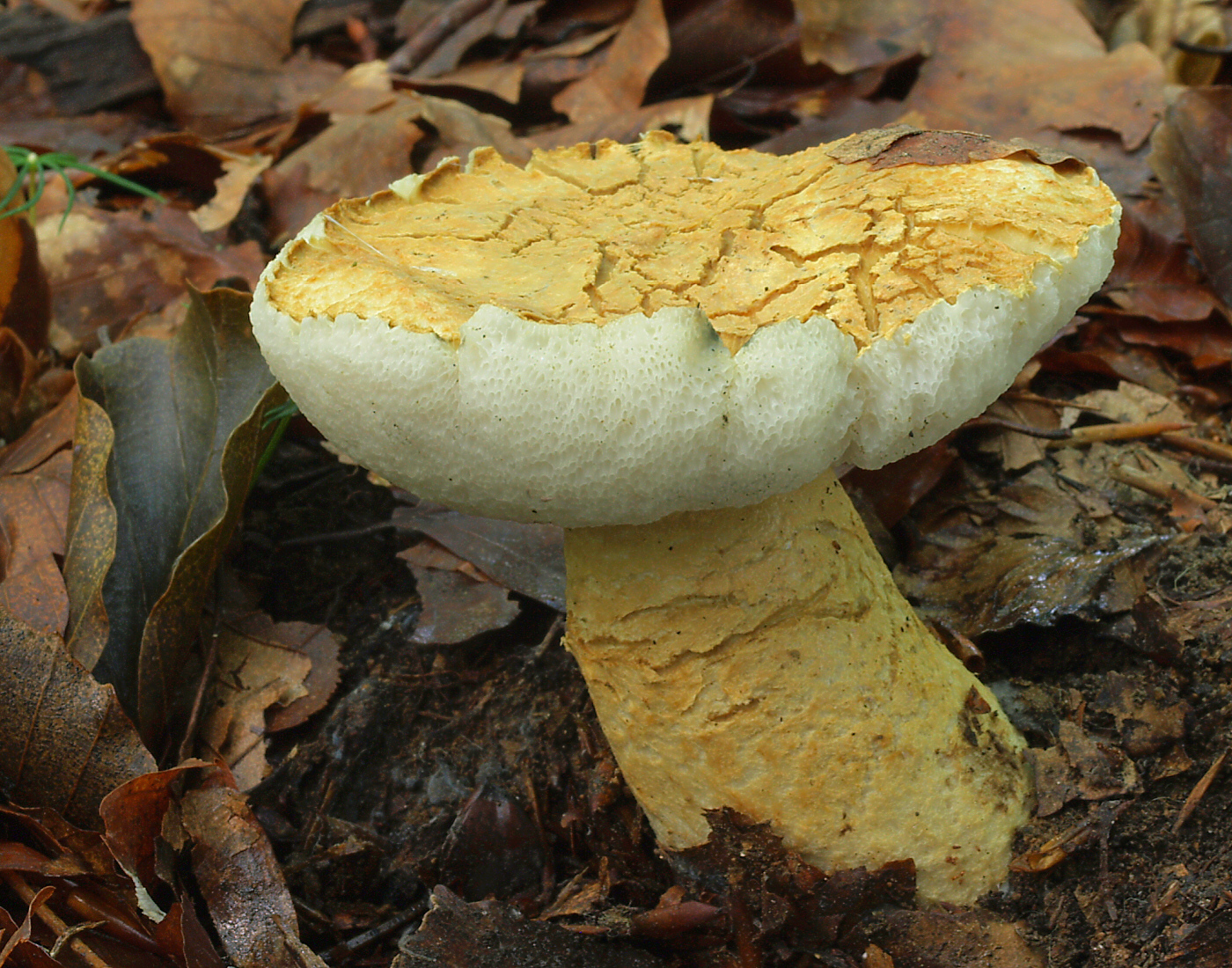
Cornflower Bolete
VUGyroporus cyanescens
The Cornflower Bolete faces significant threats from habitat loss due to deforestation and forest fragmentation, which reduces the availability of suitable host trees essential for its mycorrhizal relationships. Climate change poses additional risks by altering forest composition and moisture regimes that this species depends upon. Pollution and soil contamination from agricultural and industrial activities further compromise the delicate soil chemistry required for healthy fungal communities.

Cornish Midget
CRPhyllonorycter staintoniella
The Cornish Midget (Phyllonorycter staintoniella) is critically endangered due to its extremely restricted range, being endemic to a small area of Cornwall, UK. The species faces severe threats from habitat loss and degradation of its specialized woodland environment, particularly affecting its host plant relationships. Climate change and human development pressures in its limited range further compound the risk of extinction.

corroncho
VUPanaque cochliodon
The corroncho faces significant pressure from habitat degradation due to deforestation, agricultural expansion, and water pollution in its native South American river systems. Overharvesting for the international aquarium trade has also contributed to population declines, as this species is highly sought after by collectors. Dam construction and river modification further fragment populations and alter the flow regimes essential for their survival.
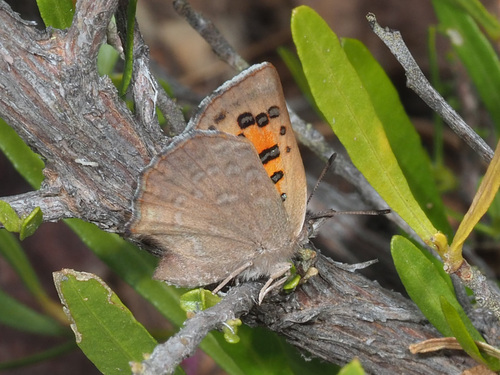
Cotrell's Daisy Copper
CRChrysoritis cotrelli
Cotrell's Daisy Copper is critically endangered due to its extremely restricted range in the Western Cape of South Africa, where it faces severe habitat loss from agricultural expansion and urban development. The species is also threatened by invasive alien plant species that alter the natural fynbos vegetation structure and reduce the availability of its specific host plants.

Cotton-top Tamarin
CRSaguinus oedipus
Cotton-top Tamarins face severe population decline primarily due to extensive deforestation and habitat fragmentation in their native Colombian range, where over 95% of their original forest habitat has been destroyed. The species is further threatened by illegal capture for the pet trade and biomedical research, which historically removed thousands of individuals from wild populations.
Cotton's Amazon Spider
CRGlyphesis cottonae
Cotton's Amazon Spider faces severe threats from rapid deforestation and habitat fragmentation in its limited range within the Amazon rainforest. The species' extremely restricted distribution makes it particularly vulnerable to localized habitat destruction from agricultural expansion, logging, and infrastructure development.

Cowpie Lichen
ENDiploschistes muscorum
Cowpie Lichen (Diploschistes muscorum) is declining primarily due to habitat loss from agricultural intensification and changes in livestock grazing practices that have reduced the availability of nutrient-rich substrates it depends on. Air pollution, particularly nitrogen deposition, and climate change are also contributing to population declines across its range.
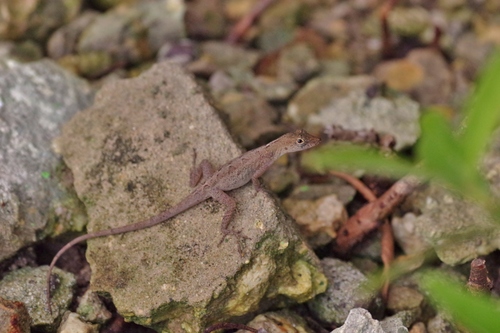
Crab Cay Anole
VUAnolis pinchoti
The Crab Cay Anole faces significant threats due to its extremely limited range, being endemic to a small cay in the Caribbean where it is vulnerable to habitat degradation and climate change impacts. Rising sea levels and increased storm intensity pose particular risks to this island-endemic species, while human activities and invasive species further threaten its specialized coastal habitat.
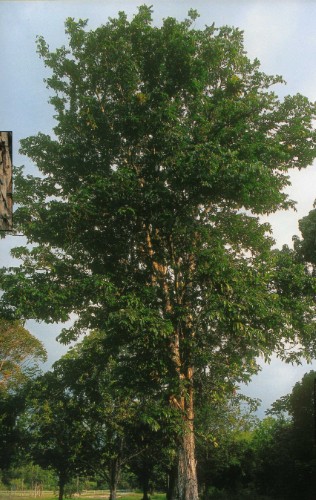
Crabwood
VUCarapa guianensis
Crabwood faces significant pressure from widespread deforestation and habitat fragmentation across its Neotropical range, driven by agricultural expansion, logging operations, and urban development. The species is particularly vulnerable due to its slow growth rate and dependence on intact forest ecosystems, making population recovery difficult once local extinctions occur.
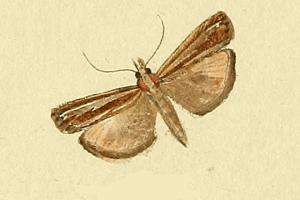
Crambus brillant
ENCatoptria fulgidella
Catoptria fulgidella faces severe population declines primarily due to habitat loss and degradation of its specialized wetland environments. Agricultural intensification, drainage of wet meadows, and changes in traditional land management practices have significantly reduced the availability of suitable breeding and feeding habitats for this moth species.

Crambus étroit
VUAgriphila deliella
Crambus étroit faces significant threats from habitat loss due to agricultural intensification and urban development in its grassland habitats. Climate change and altered precipitation patterns are disrupting the delicate moisture balance required for its larval development in grass roots and stems.

Cranberry Fritillary
VUBoloria aquilonaris
The Cranberry Fritillary faces significant threats from habitat loss and degradation of its specialized bog and wetland environments due to drainage, peat extraction, and agricultural conversion. Climate change poses additional risks by altering the hydrology and plant communities of these sensitive ecosystems, while the species' dependence on specific host plants makes it particularly vulnerable to environmental changes.
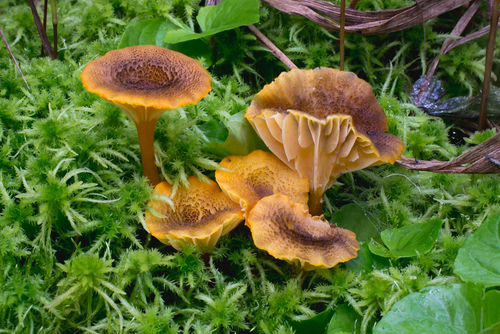
Cranberry Waxy Cap
VUHygrocybe turunda
The Cranberry Waxy Cap faces significant threats from habitat degradation and loss of its specialized grassland ecosystems. Climate change and agricultural intensification are reducing the availability of suitable unimproved grasslands where this species can establish the complex mycorrhizal relationships necessary for survival.

Crazed Cap
VUDermoloma cuneifolium
Dermoloma cuneifolium faces significant threats from habitat degradation and loss of old-growth forest ecosystems where it depends on specific soil conditions and mycorrhizal relationships. Climate change and altered precipitation patterns are disrupting the delicate moisture balance required for fruiting body development and spore dispersal. The species' limited distribution and specialized ecological requirements make it particularly vulnerable to environmental changes.

Cream-backed Woodpecker
VUCampephilus leucopogon
The Cream-backed Woodpecker faces significant pressure from widespread deforestation and habitat fragmentation across its South American range. Large-scale agricultural expansion, logging operations, and infrastructure development continue to reduce and fragment the mature forest habitats this species requires for nesting and foraging.
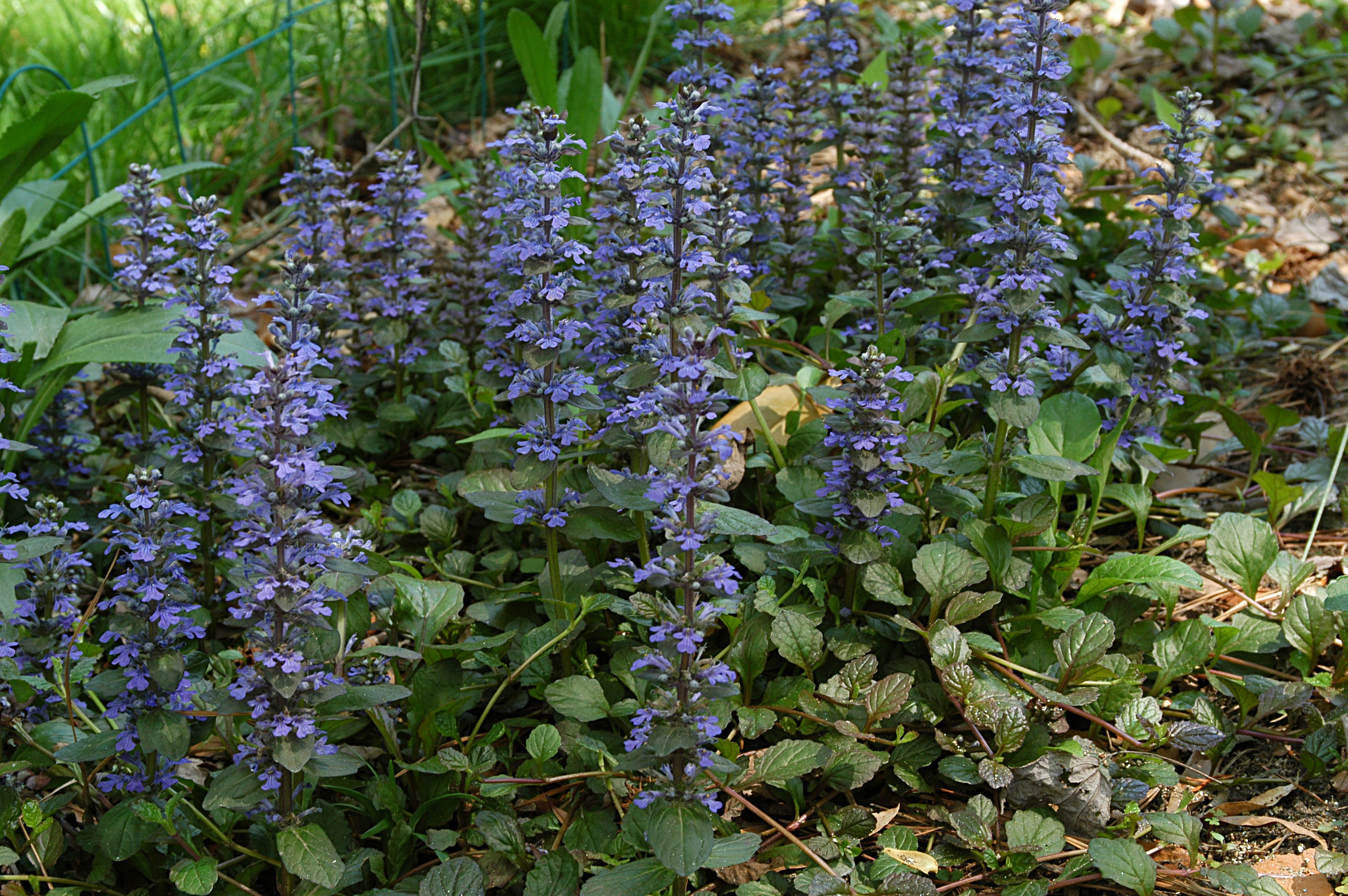
Creeping Bugleweed
ENAjuga reptans
Habitat fragmentation and loss of ancient woodland sites pose significant threats to remaining populations. Climate change and increased drought stress are reducing suitable habitat conditions, while invasive species competition further pressures vulnerable populations.
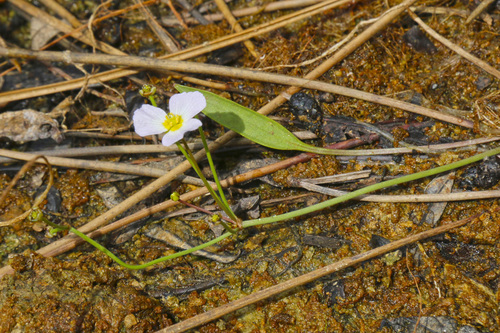
creeping lesser water-plantain
ENBaldellia repens
Creeping lesser water-plantain is declining primarily due to habitat loss and degradation of shallow freshwater wetlands through drainage, agricultural conversion, and water pollution. The species' highly specialized habitat requirements and fragmented distribution make it particularly vulnerable to hydrological changes and eutrophication from agricultural runoff.
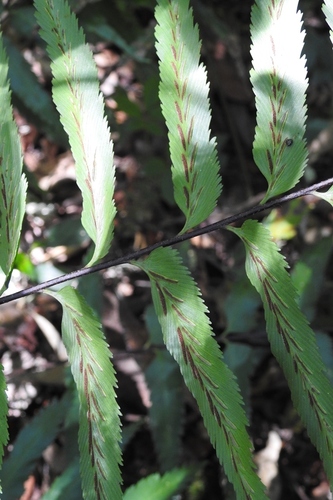
Creeping Spleenwort
ENAsplenium serra
Creeping Spleenwort faces severe population declines primarily due to habitat destruction from urban development and agricultural expansion in its limited range. The species is particularly vulnerable due to its restricted distribution and specific habitat requirements, making it highly susceptible to localized threats and environmental changes.

creeping thyme
CRThymus serpyllum
Creeping thyme faces severe population declines due to habitat loss from agricultural intensification, urban development, and changes in traditional land management practices that historically maintained suitable grassland conditions. Climate change and invasive species competition further threaten remaining populations in fragmented habitats.

Cremeweißer Schirmling
ENLepiota subalba
Cremeweißer Schirmling (Lepiota subalba) faces severe population declines primarily due to habitat loss from agricultural intensification and urban development across its limited European range. The species' specialized ecological requirements and small, fragmented populations make it particularly vulnerable to environmental changes and human disturbance.

Crescent Striped
VUApamea oblonga
The Crescent Striped moth faces significant population pressures from habitat loss due to agricultural intensification and urban development across its range. Climate change is altering the distribution and phenology of its host plants, disrupting critical breeding cycles and larval development.
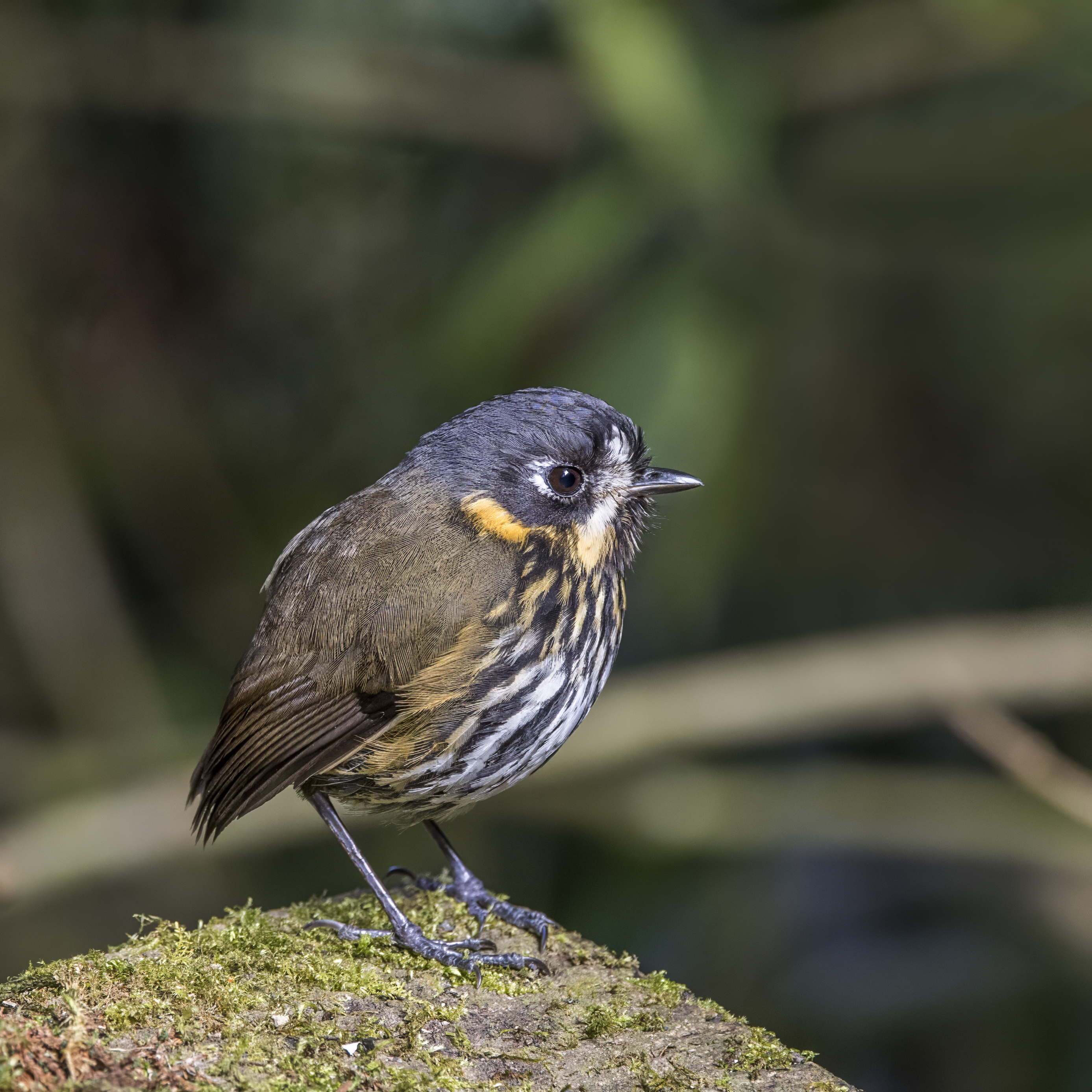
Crescent-faced Antpitta
VUGrallaricula lineifrons
The Crescent-faced Antpitta faces significant threats from habitat loss and fragmentation due to deforestation, agricultural expansion, and human encroachment in its montane forest range. Its specialized habitat requirements and limited distribution make it particularly vulnerable to environmental changes and human activities that alter or destroy its forest ecosystem.

Crested Cow-wheat
ENMelampyrum cristatum
Crested Cow-wheat is declining primarily due to habitat loss and degradation of its specialized grassland and woodland edge environments. Agricultural intensification, changes in traditional land management practices, and succession of open habitats to closed woodland have significantly reduced suitable habitat availability.
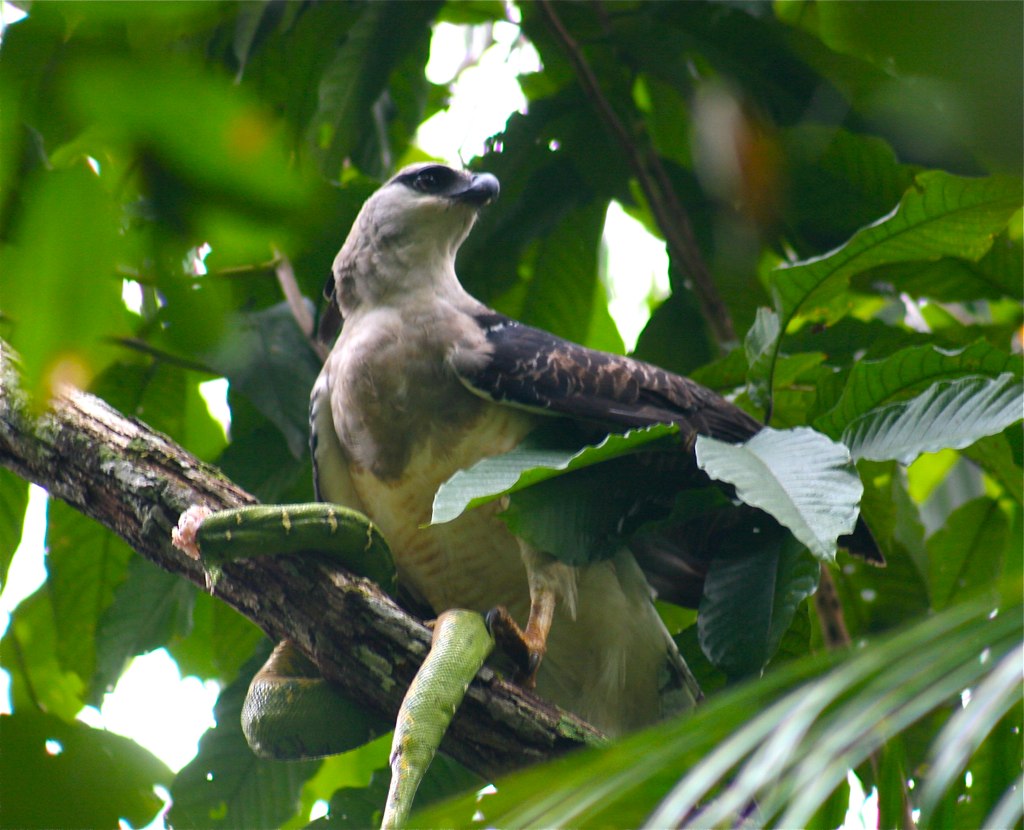
Crested Eagle
VUMorphnus guianensis
The Crested Eagle faces significant pressure from widespread deforestation and habitat fragmentation across its Neotropical range, as large tracts of primary forest are converted for agriculture, logging, and development. As a large raptor requiring extensive territories and mature forest canopy for hunting, this species is particularly vulnerable to habitat loss and degradation that reduces prey availability and suitable nesting sites.

crested guan
VUPenelope purpurascens
The crested guan faces significant pressure from widespread habitat loss due to deforestation for agriculture, cattle ranching, and urban development throughout its range in Central and South America. Hunting pressure for subsistence and commercial purposes has severely reduced populations in many areas, as these large, conspicuous birds are easily targeted. The species' slow reproductive rate and specific habitat requirements make recovery particularly challenging once populations decline.

Crested Lark
CRGalerida cristata
I believe there may be an error in the classification provided, as the Crested Lark (Galerida cristata) is typically classified as Least Concern by the IUCN, not Critically Endangered. However, local populations face declines due to habitat loss from agricultural intensification and urbanization. The species is experiencing pressure from changes in farming practices that reduce suitable nesting sites and foraging areas.
Cretan Bush-cricket
VURhacocleis derrai
The Cretan Bush-cricket faces significant threats from habitat loss and degradation due to agricultural intensification, urban development, and tourism infrastructure expansion across its limited range in Crete. Climate change poses additional risks through altered precipitation patterns and increased temperatures that may affect the Mediterranean scrubland and rocky habitats this endemic species depends upon.
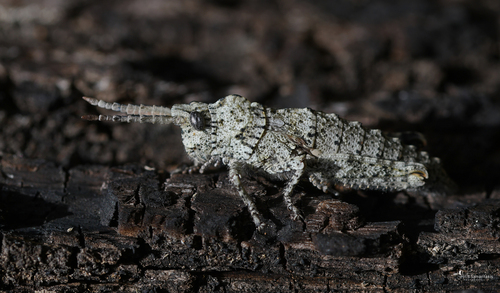
Cretan Stone Grasshopper
VUOrchamus raulinii
The Cretan Stone Grasshopper faces significant threats from habitat degradation and fragmentation across its limited range on Crete. Tourism development, agricultural intensification, and overgrazing in rocky Mediterranean habitats have reduced suitable breeding and foraging areas for this endemic species.

Crevalle jack
VUCaranx hippos
Crevalle jack populations face significant pressure from intensive commercial and recreational fishing throughout their range, with juveniles particularly vulnerable in coastal nursery habitats. Coastal development and pollution degrade critical spawning and nursery areas, while climate change affects prey availability and ocean conditions that these highly migratory fish depend upon.

Crimson Shining-parrot
VUProsopeia splendens
The Crimson Shining-parrot faces significant threats from habitat loss due to deforestation and agricultural expansion across its limited range in Fiji. Introduced predators and competitors, along with cyclones and extreme weather events, further threaten remaining populations. The species' restricted distribution makes it particularly vulnerable to these combined pressures.

Criquet jacasseur, Staurodère scalaire
ENStauroderus scalaris
Stauroderus scalaris faces severe population declines primarily due to habitat loss from agricultural intensification and urban development in its limited alpine and subalpine range. Climate change poses an additional threat by altering the temperature and precipitation patterns of its high-altitude grassland habitats.
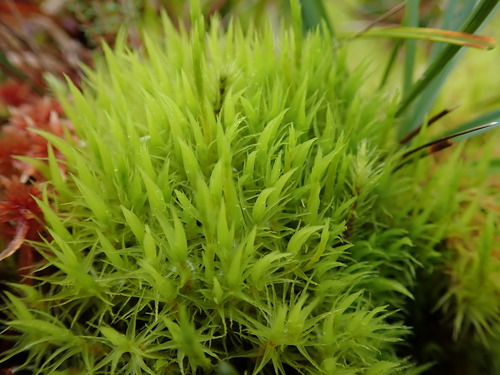
Crisped Fork-moss
VUDicranum bonjeanii
Crisped Fork-moss faces significant threats from habitat degradation and loss due to human activities and environmental changes. The species is particularly vulnerable to air pollution, changes in water chemistry, and disturbance of its specialized wetland habitats. Climate change and altered hydrological patterns further threaten the delicate moisture conditions this moss requires for survival.
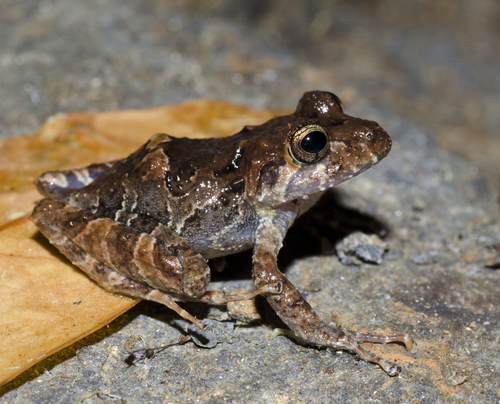
Cristina's Robber Frog
ENPristimantis cristinae
Cristina's Robber Frog faces severe threats from habitat destruction due to agricultural expansion, logging, and human settlement development within its limited range in the Cordillera Oriental of Colombia. The species' extremely restricted distribution makes it particularly vulnerable to localized environmental changes and habitat fragmentation.
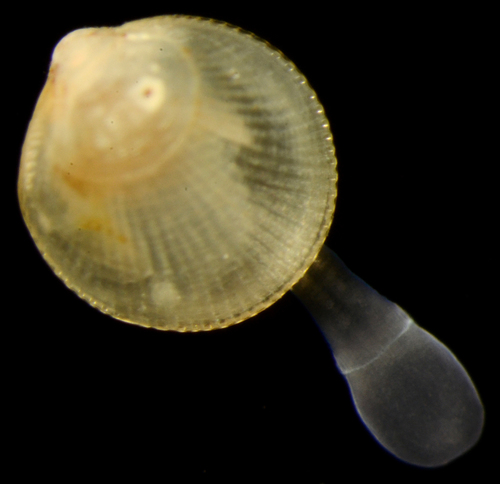
Cross-Sculpture Crenella
VUCrenella decussata
The Cross-Sculpture Crenella faces significant threats from coastal development and pollution in its shallow marine habitats. Climate change-induced ocean acidification poses additional risks to this small bivalve mollusk, as it can weaken shell formation and disrupt the delicate marine ecosystems it depends upon.
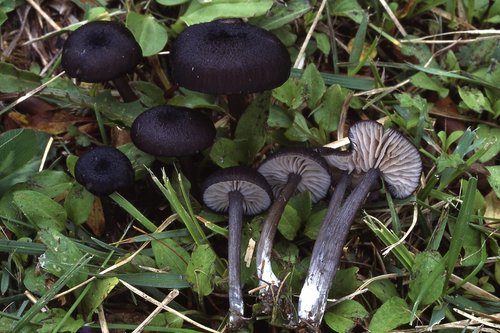
Crow Pinkgill
VUEntoloma corvinum
Crow Pinkgill faces significant threats from habitat degradation and loss of suitable woodland environments due to deforestation, agricultural expansion, and urban development. Climate change and pollution are altering the delicate ecological conditions required for this fungal species to thrive, while overcollection in some regions further pressures vulnerable populations.

Crown-tipped Coral Fungus
ENArtomyces pyxidatus
Crown-tipped Coral Fungus faces significant decline due to habitat loss from deforestation and forest fragmentation, which destroys the decaying hardwood substrates it depends on for survival. Climate change and altered precipitation patterns further threaten this species by disrupting the specific moisture conditions required for fruiting body development and spore dispersal.

Crowned Earthstar
CRGeastrum coronatum
The Crowned Earthstar faces severe population decline primarily due to habitat loss from agricultural expansion and urban development in its limited range. Climate change and altered precipitation patterns further threaten this fungus by disrupting the specific soil and moisture conditions it requires for reproduction and survival.

Crowned Pixie-cup Lichen
VUCladonia carneola
Crowned Pixie-cup Lichen faces significant threats from habitat degradation due to air pollution, particularly nitrogen deposition and sulfur compounds that alter soil chemistry and disrupt lichen communities. Climate change poses additional risks through altered precipitation patterns and temperature fluctuations that affect the delicate moisture balance required for lichen survival. Urban development and agricultural intensification continue to fragment and destroy suitable habitat across its range.
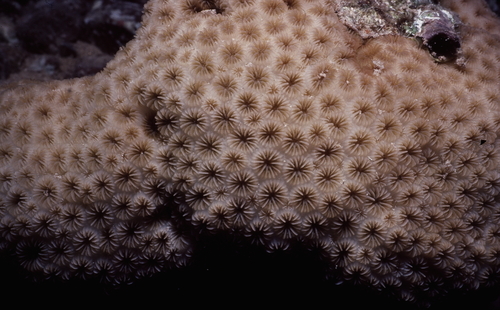
crust coral
VULeptastrea aequalis
Leptastrea aequalis faces significant threats from ocean warming and acidification, which cause coral bleaching and reduce calcification rates essential for skeletal growth. Coastal development, pollution, and destructive fishing practices further degrade reef habitats, while sedimentation from terrestrial runoff smothers coral colonies and reduces water quality.
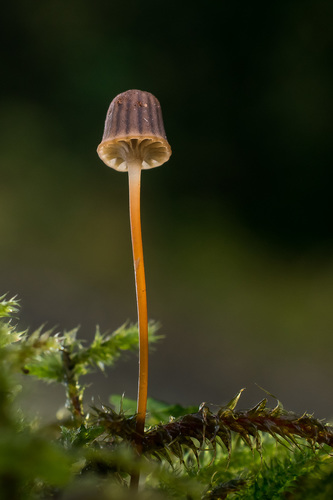
Cryptic Bonnet
VUMycena picta
The Cryptic Bonnet faces significant threats from habitat degradation and loss of suitable forest substrates due to logging, land conversion, and climate change impacts on forest ecosystems. As a specialized saprobic fungus dependent on specific decaying wood conditions, it is particularly vulnerable to changes in forest composition and microhabitat availability.

Cryptic Wood White
CRLeptidea juvernica
The Cryptic Wood White is critically endangered primarily due to habitat loss and fragmentation of its specialized woodland and grassland habitats. Agricultural intensification, urbanization, and changes in land management practices have severely reduced the availability of suitable breeding sites and host plants. Climate change may also be affecting the species' distribution and the phenology of its host plants.

Cualita
ENPristimantis w-nigrum
Pristimantis w-nigrum faces severe population declines primarily due to habitat destruction from agricultural expansion and urban development in its limited montane forest range. The species is particularly vulnerable due to its restricted distribution and specialized habitat requirements in cloud forests of the Colombian Andes.
Cuban Bromeliad Frog
VUEleutherodactylus varians
The Cuban Bromeliad Frog faces significant threats from habitat loss due to deforestation and agricultural expansion across its Cuban range. Climate change poses additional risks by altering the moisture regimes essential for bromeliad ecosystems that this species depends upon. Its specialized habitat requirements and limited distribution make it particularly vulnerable to environmental changes.
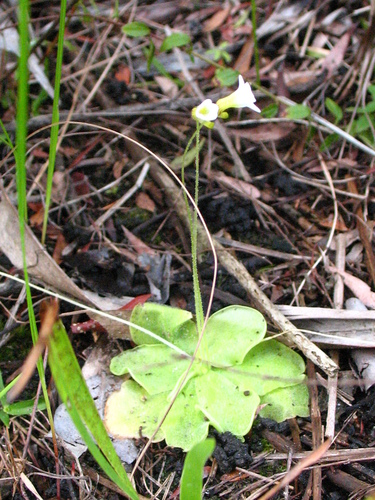
Cuban Butterwort
CRPinguicula albida
Cuban Butterwort (Pinguicula albida) is critically endangered due to its extremely restricted range limited to a few locations in Cuba's mountainous regions. The species faces severe threats from habitat destruction through mining activities, agricultural expansion, and infrastructure development in its specialized serpentine soil habitats.
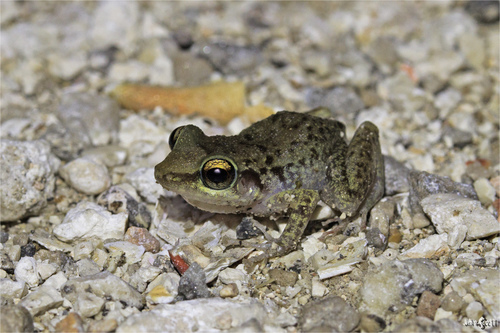
Cuban Cave Frog
ENEleutherodactylus thomasi
The Cuban Cave Frog faces severe threats from habitat destruction due to limestone quarrying and cave disturbance, which directly impacts its specialized cave-dwelling lifestyle. Urban development and agricultural expansion have further reduced available habitat, while the species' extremely limited range makes it particularly vulnerable to local extinctions.
Cuban High-crested Toad
VUPeltophryne gundlachi
The Cuban High-crested Toad faces significant threats from habitat loss and degradation due to agricultural expansion, urban development, and deforestation across its Cuban range. Climate change poses additional risks through altered precipitation patterns and increased frequency of extreme weather events that can disrupt breeding cycles and reduce suitable habitat availability.