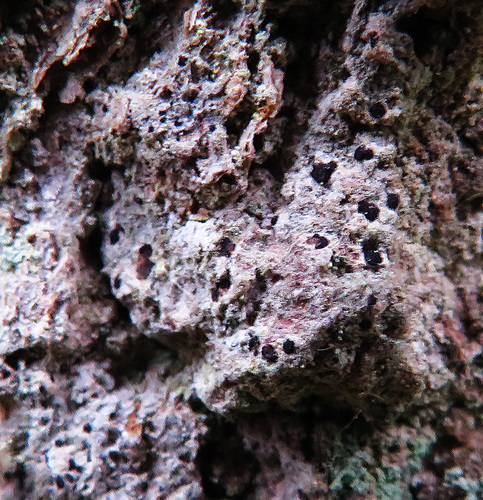
dot lichen
Arthonia arthonioides
Photo: iNaturalist: (c) Jurga Motiejūnaitė, some rights reserved (CC BY-NC), uploaded by Jurga Motiejūnaitė
Overview
Arthonia arthonioides, commonly known as dalmatinerfläck, is a crustose lichen species characterized by its distinctive spotted thallus that forms thin, grayish patches with dark, punctate apothecia resembling dalmatian markings. This epiphytic lichen plays a crucial ecological role as a pioneer species on bark surfaces, contributing to nutrient cycling and providing microhabitat for invertebrates in forest ecosystems.
Arthonia arthonioides, a crustose lichen species, faces significant decline primarily due to air pollution and habitat degradation affecting its specialized substrate requirements. The species is particularly vulnerable to changes in air quality and forest management practices that alter the bark chemistry and microclimate conditions essential for its survival.
Habitat
Dalmatinerfläck occurs exclusively on the smooth bark of mature deciduous trees, particularly favoring the trunks and larger branches of beech, maple, and ash trees in humid, well-ventilated forest environments. The species requires stable microclimatic conditions with consistent moisture levels and minimal direct sunlight exposure.
Other threatened species in Arthoniaceae
Frequently asked questions
Why is dot lichen classified as Endangered?
Where does dot lichen live?
What are the main threats to dot lichen?
Get weekly conservation intelligence
One short digest a week of the most striking species and country data we ship, plus breaking conservation news paired with our database where it matters.
Free, no spam. One-click unsubscribe in every email.