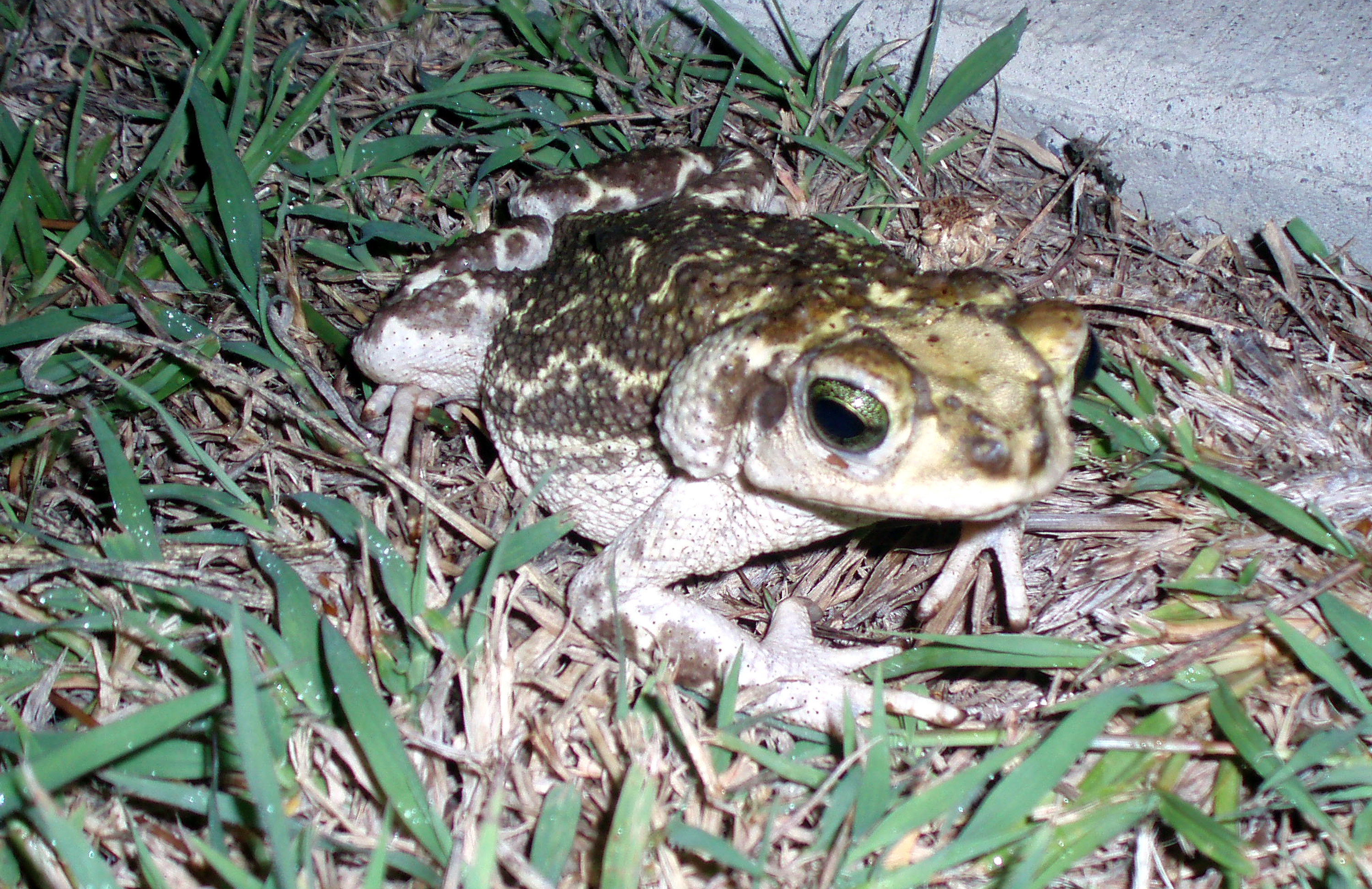
Cuban Small-eared Toad
Peltophryne empusa
Photo: Wikimedia Commons (CC) via https://en.wikipedia.org/wiki/Cuban_small-eared_toad
Overview
The Cuban small-eared toad, also known as the Cuban toad or Cope's Caribbean toad, is a species of toad in the family Bufonidae that is endemic to Cuba including Isla de Juventud.
The Cuban Small-eared Toad faces significant threats from habitat loss and degradation due to agricultural expansion, urban development, and deforestation across its Cuban range. Climate change poses additional risks through altered precipitation patterns and increased frequency of extreme weather events that can disrupt breeding cycles and reduce suitable habitat availability.
Habitat
This species inhabits tropical dry forests, coastal scrublands, and semi-arid lowland areas across Cuba, typically found in areas with rocky outcrops and temporary pools used for breeding. It occurs from sea level to moderate elevations, favoring areas with dense vegetation cover and seasonal water sources.
Other threatened species in Bufonidae


Threatened in Cuba

Frequently asked questions
Why is Cuban Small-eared Toad classified as Vulnerable?
Where does Cuban Small-eared Toad live?
What are the main threats to Cuban Small-eared Toad?
Get weekly conservation intelligence
One short digest a week of the most striking species and country data we ship, plus breaking conservation news paired with our database where it matters.
Free, no spam. One-click unsubscribe in every email.