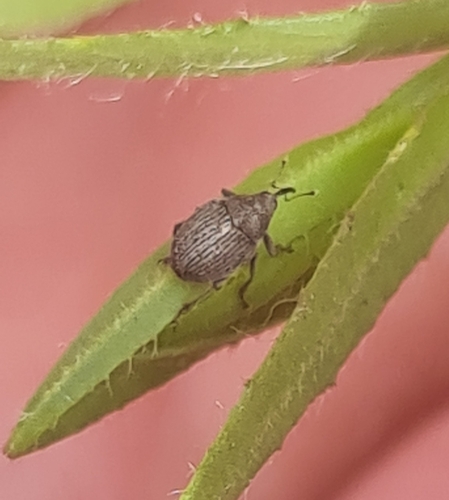
Ceutorhynchus syrites
Photo: iNaturalist: (c) Denis Ivanov, some rights reserved (CC BY-NC), uploaded by Denis Ivanov
Overview
The dådrevivel (Ceutorhynchus syrites) is a small weevil beetle characterized by its distinctive elongated snout and dark metallic coloration with bronze-green reflections. This specialized herbivorous insect plays a crucial ecological role as both a pollinator of specific cruciferous plants and as a food source for insectivorous birds and spiders in its native habitat.
Ceutorhynchus syrites, the dådrevivel weevil, faces severe population decline primarily due to habitat loss and degradation of its specialized host plant environments. Agricultural intensification and changes in land use practices have significantly reduced suitable breeding and feeding sites. The species' narrow ecological requirements make it particularly vulnerable to environmental changes.
Habitat
This weevil inhabits calcareous grasslands and limestone cliff edges where wild mustard family plants grow in sparse, well-drained soils. It requires areas with specific microclimatic conditions, particularly south-facing slopes with partial shade from scattered shrubs that provide shelter during extreme weather events.
Other threatened species in Curculionidae
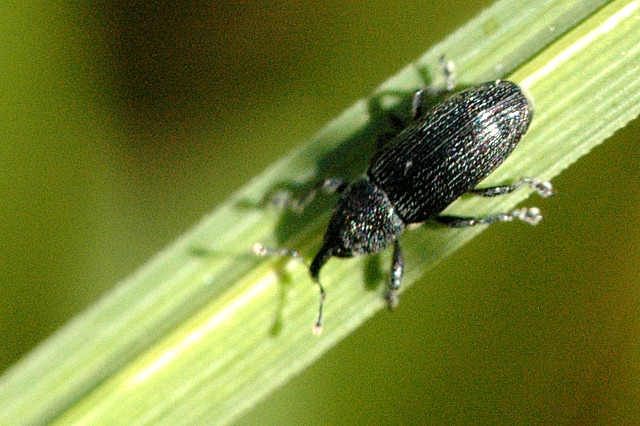

Threatened in Austria
Frequently asked questions
Why is Ceutorhynchus syrites classified as Critically Endangered?
Where does Ceutorhynchus syrites live?
What are the main threats to Ceutorhynchus syrites?
Get weekly conservation intelligence
One short digest a week of the most striking species and country data we ship, plus breaking conservation news paired with our database where it matters.
Free, no spam. One-click unsubscribe in every email.