creeping thyme
CRCritically Endangered

creeping thyme

Thymus serpyllum

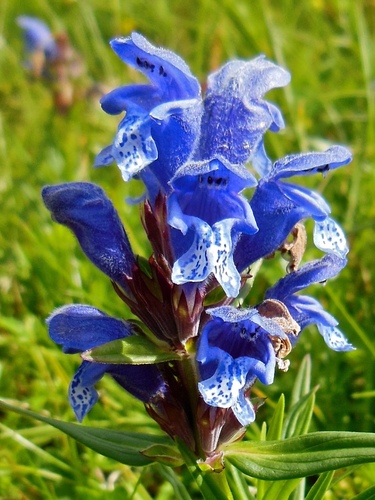
Thymus serpyllum, known by the common names of Breckland thyme, Breckland wild thyme, wild thyme, creeping thyme, or elfin thyme, is a species of flowering plant in the mint family, Lamiaceae. It is a low, usually prostrate subshrub forming creeping stems up to 10 cm (4 in) tall.

Photo: Wikimedia Commons (CC) via https://en.wikipedia.org/wiki/Thymus_serpyllum

01Classification

Taxonomy & Classification

Kingdom

Plantae

Phylum

Tracheophyta

Class

Magnoliopsida

Order

Lamiales

Family

Lamiaceae

Genus

Thymus

creeping thyme belongs to the family Lamiaceae, order Lamiales, within the Magnoliopsida class.

02Description

Species Profile

Thymus serpyllum, known by the common names of Breckland thyme, Breckland wild thyme, wild thyme, creeping thyme, or elfin thyme, is a species of flowering plant in the mint family, Lamiaceae. It is a low, usually prostrate subshrub forming creeping stems up to 10 cm (4 in) tall. The oval evergreen leaves are up to 8 mm. The strongly scented flowers are either lilac, pink-purple, magenta, up to 6 mm long and produced in clusters.

Creeping thyme faces severe population declines due to habitat loss from agricultural intensification, urban development, and changes in traditional land management practices that historically maintained suitable grassland conditions. Climate change and invasive species competition further threaten remaining populations in fragmented habitats.

Key Facts

IUCN StatusCritically Endangered (CR)
GroupPlants
03Habitat

Habitat & Distribution

Dry grasslands, heathlands, sand dunes, rocky slopes, and short turf areas, typically on calcareous or sandy soils in open, sunny locations from sea level to montane elevations. Also found in traditionally managed meadows, pastures, and along path edges where regular disturbance maintains low vegetation height.

TERRESTRIALMajor
04Threats

Threats

!

IUCN Red List: Critically Endangered

Creeping thyme faces severe population declines due to habitat loss from agricultural intensification, urban development, and changes in traditional land management practices that historically maintained suitable grassland conditions. Climate change and invasive species competition further threaten remaining populations in fragmented habitats.

Agricultural intensification and conversion of grasslands

HighOngoing

Loss of traditional grazing and mowing practices

HighOngoing

Urban development and infrastructure expansion

HighOngoing

Climate change altering suitable habitat conditions

MediumOngoing

Competition from invasive plant species

MediumOngoing
07National Status

National vs Global Threat Status

How this species is assessed at the national level compared to its IUCN global status (CR).

CountryNational StatusGlobal StatusComparison
EULCLeast ConcernCRCritically EndangeredLower local risk

National Red List data sourced from the National Red List Project (nationalredlist.org, ZSL) and country-specific Red List authorities.

Community

Community Sightings

Report a sighting

No community sightings yet. Be the first to report!

07Sources

Sources & Attribution

How to Cite

IUCN: IUCN (2025). The IUCN Red List of Threatened Species. Version 2025-1. Available at: https://www.iucnredlist.org. doi:10.2305/IUCN.UK.2025-1.RLTS

GBIF: GBIF.org (2025). GBIF Home Page. Available at: https://www.gbif.org

National Red Lists: ZSL (2025). National Red List. Zoological Society of London. Available at: https://www.nationalredlist.org

This page: SpeciesRadar (2025). creeping thyme (Thymus serpyllum). SpeciesRadar: Intelligence for Earth's Biodiversity. Available at: https://speciesradar.org/species/creeping-thyme

Full citation guide & data usage terms