creeping lesser water-plantain
Baldellia repens
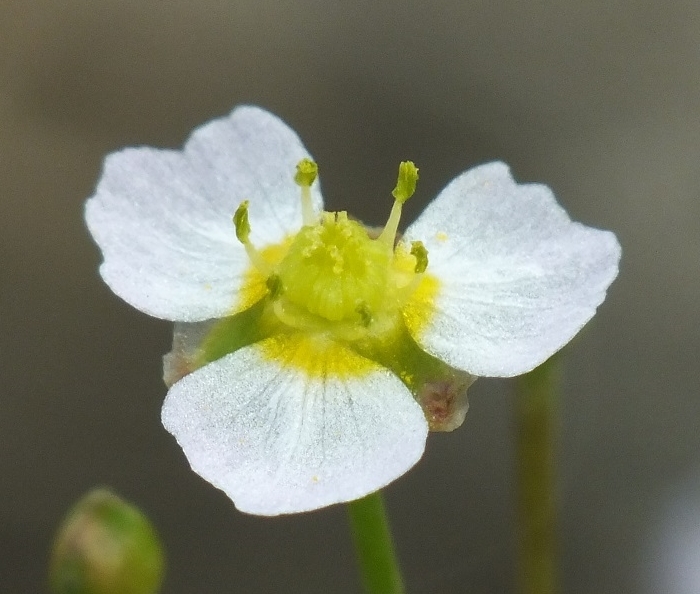
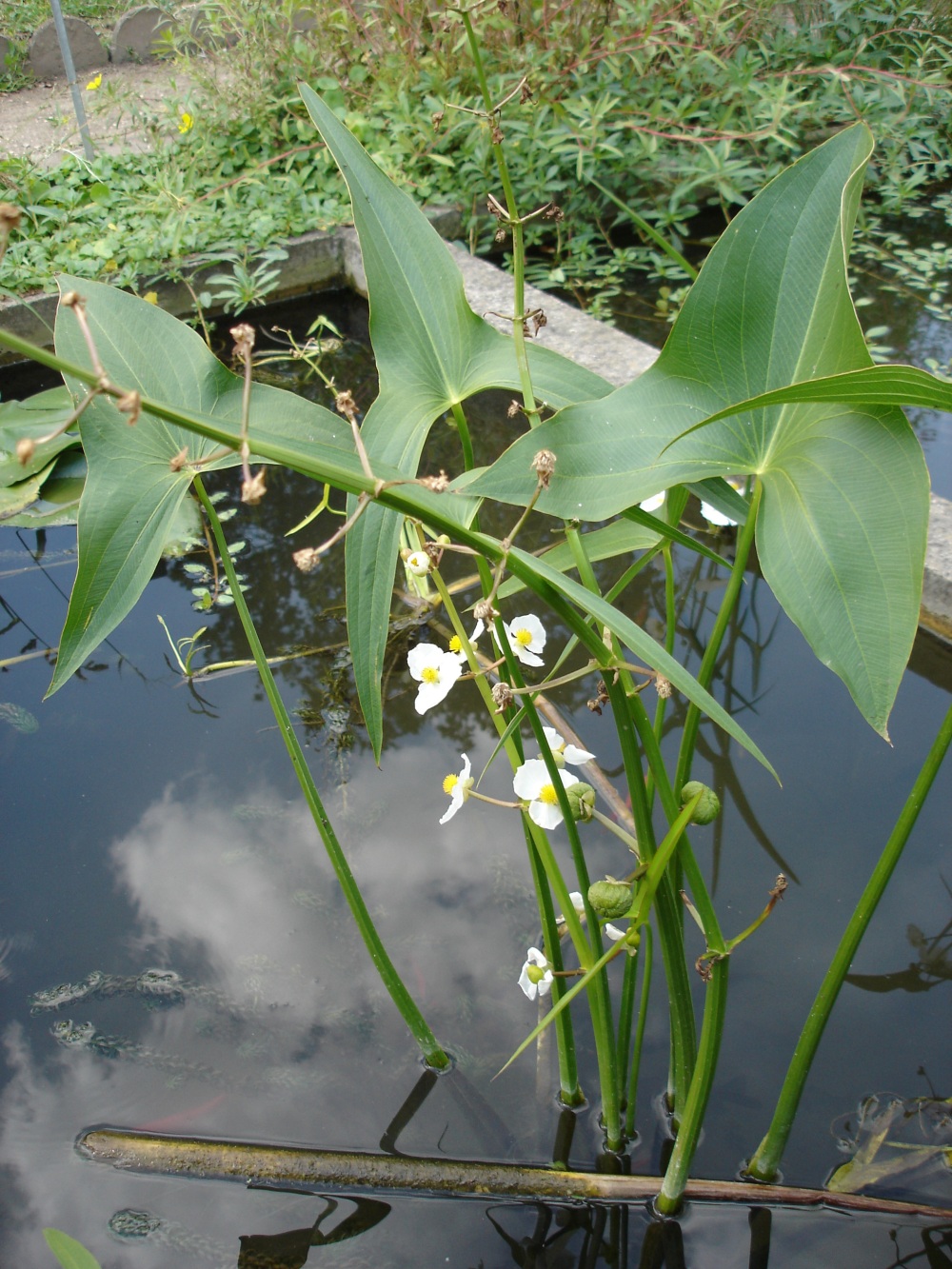
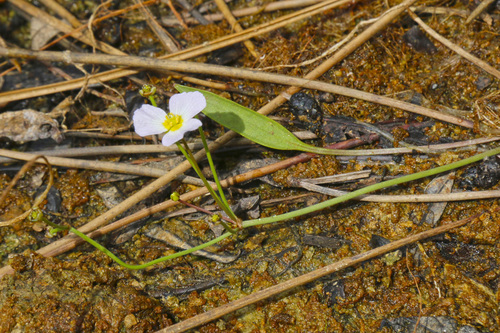
Creeping lesser water-plantain is a small aquatic perennial herb with narrow, linear leaves and delicate white flowers that bloom from summer to early autumn. This semi-aquatic plant spreads via creeping stolons and plays an important role in shallow wetland ecosystems by providing habitat structure and food sources for aquatic invertebrates and waterfowl.
Photo: iNaturalist: (c) mjcorreia, all rights reserved, uploaded by mjcorreia
Taxonomy & Classification
Kingdom
Plantae
Phylum
Tracheophyta
Class
Liliopsida
Order
Alismatales
Family
Alismataceae
Genus
Baldellia
creeping lesser water-plantain belongs to the family Alismataceae, order Alismatales, within the Liliopsida class.
Species Profile
Creeping lesser water-plantain is a small aquatic perennial herb with narrow, linear leaves and delicate white flowers that bloom from summer to early autumn. This semi-aquatic plant spreads via creeping stolons and plays an important role in shallow wetland ecosystems by providing habitat structure and food sources for aquatic invertebrates and waterfowl.
Creeping lesser water-plantain is declining primarily due to habitat loss and degradation of shallow freshwater wetlands through drainage, agricultural conversion, and water pollution. The species' highly specialized habitat requirements and fragmented distribution make it particularly vulnerable to hydrological changes and eutrophication from agricultural runoff.
Key Facts
Habitat & Distribution
This species inhabits the shallow margins of ponds, lakes, and slow-moving streams, typically growing in muddy substrates that experience seasonal water level fluctuations. It thrives in areas where water depths range from a few centimeters to completely exposed mud during dry periods, often forming colonies along gently sloping shorelines.
Threats
IUCN Red List: Endangered
Creeping lesser water-plantain is declining primarily due to habitat loss and degradation of shallow freshwater wetlands through drainage, agricultural conversion, and water pollution. The species' highly specialized habitat requirements and fragmented distribution make it particularly vulnerable to hydrological changes and eutrophication from agricultural runoff.
Agricultural intensification and runoff
Water pollution and eutrophication
Wetland drainage and conversion
Habitat fragmentation
Hydrological alterations
National vs Global Threat Status
How this species is assessed at the national level compared to its IUCN global status (EN).
| Country | National Status | Global Status | Comparison |
|---|---|---|---|
| EU | NTNear Threatened | ENEndangered | Lower local risk |
| EU | NTNear Threatened | ENEndangered | Lower local risk |
National Red List data sourced from the National Red List Project (nationalredlist.org, ZSL) and country-specific Red List authorities.
Community Sightings
Report a sightingNo community sightings yet. Be the first to report!
Sources & Attribution
How to Cite
IUCN: IUCN (2025). The IUCN Red List of Threatened Species. Version 2025-1. Available at: https://www.iucnredlist.org. doi:10.2305/IUCN.UK.2025-1.RLTS
GBIF: GBIF.org (2025). GBIF Home Page. Available at: https://www.gbif.org
National Red Lists: ZSL (2025). National Red List. Zoological Society of London. Available at: https://www.nationalredlist.org
This page: SpeciesRadar (2025). creeping lesser water-plantain (Baldellia repens). SpeciesRadar: Intelligence for Earth's Biodiversity. Available at: https://speciesradar.org/species/creeping-lesser-water-plantain