
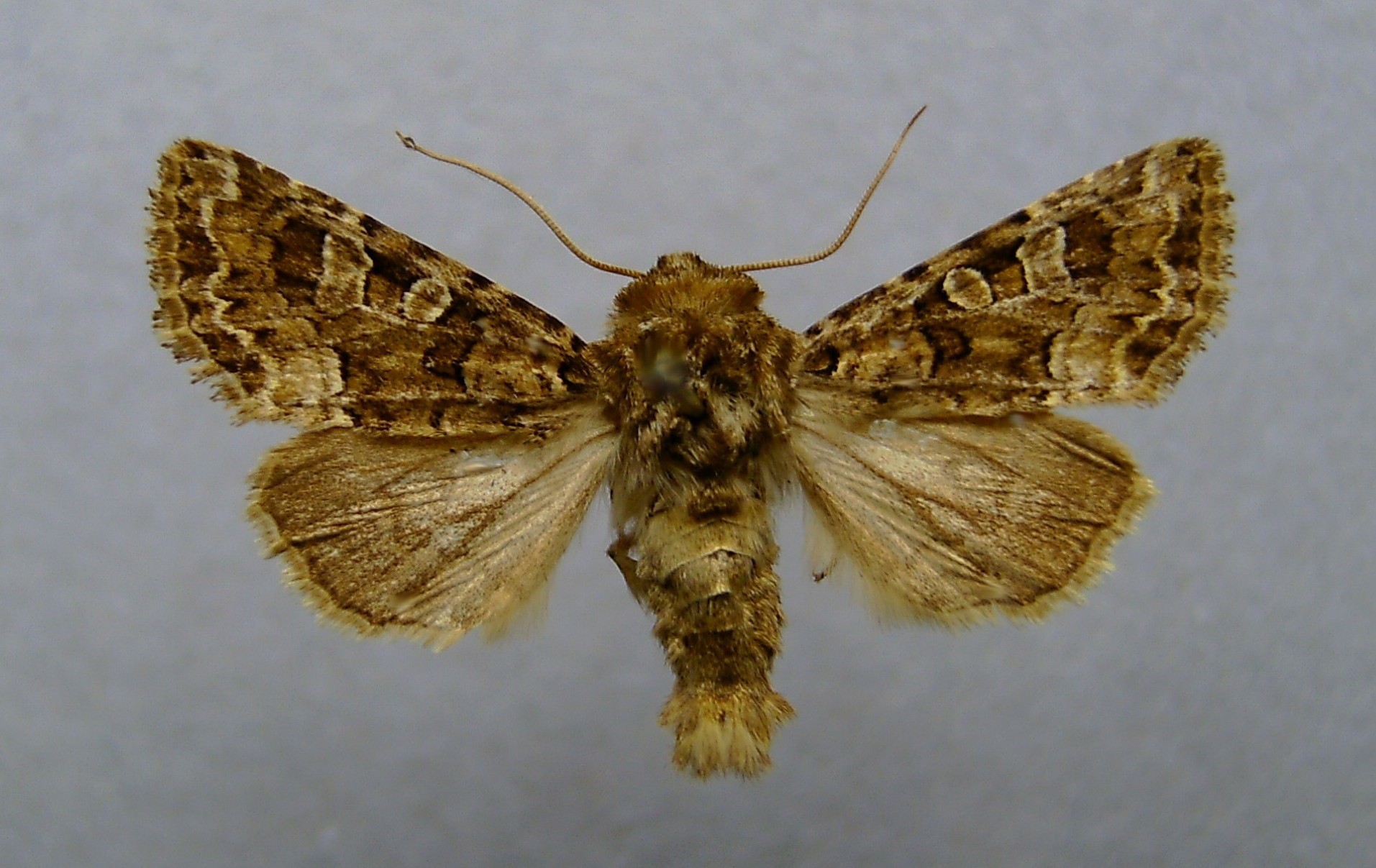
Crescent Striped
Apamea oblonga
Photo: Wikimedia Commons (CC) via https://en.wikipedia.org/wiki/Apamea_oblonga
Overview
Apamea oblonga, the crescent striped, is a moth of the family Noctuidae. The species was first described by Adrian Hardy Haworth in 1809. It is found in northern and central Europe, east to southern Russia, Asia Minor, Armenia, Turkestan, Turkey, Iran, southern Siberia, northern Pakistan, Mongolia, China, Sakhalin and Japan.
The Crescent Striped moth faces significant population pressures from habitat loss due to agricultural intensification and urban development across its range. Climate change is altering the distribution and phenology of its host plants, disrupting critical breeding cycles and larval development.
Habitat
Inhabits grasslands, meadows, moorlands, and agricultural margins where grasses and sedges grow, typically in areas with mixed vegetation structure from sea level to montane elevations. The species requires diverse grassland ecosystems that support its larval host plants, particularly various grass species.
Other threatened species in Noctuidae
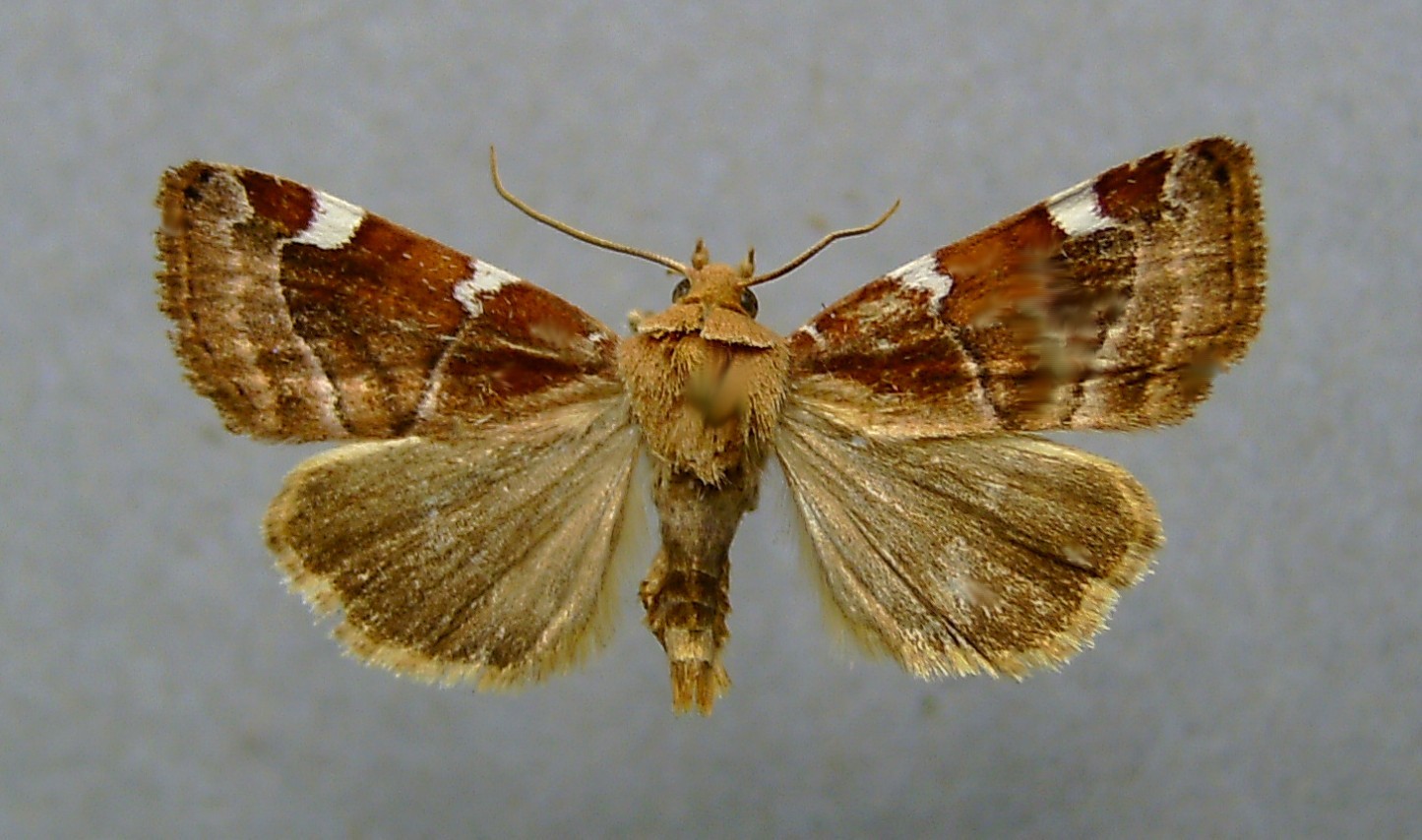

Threatened in Åland Islands


Frequently asked questions
Why is Crescent Striped classified as Vulnerable?
Where does Crescent Striped live?
What are the main threats to Crescent Striped?
Get weekly conservation intelligence
One short digest a week of the most striking species and country data we ship, plus breaking conservation news paired with our database where it matters.
Free, no spam. One-click unsubscribe in every email.