
COCR
Crex crex
Photo: Wikimedia Commons (CC) via https://en.wikipedia.org/wiki/Corn_crake
Overview
The corn crake, corncrake or landrail is a bird in the rail family. It breeds in Europe and Asia as far east as western China, and migrates to Africa for the Northern Hemisphere's winter. It is a medium-sized crake with buff- or grey-streaked brownish-black upperparts, chestnut markings on the wings, and blue-grey underparts with rust-coloured and white bars on the flanks and undertail.
The strong bill is flesh-toned, the iris is pale brown, and the legs and feet are pale grey. Juveniles are similar in plumage to adults, and downy chicks are black, as with all rails. There are no subspecies, although individuals from the east of the breeding range tend to be slightly paler than their western counterparts.
The male's call is a loud krek krek, from which the scientific name is derived. The...
The Corn Crake has experienced severe population declines primarily due to agricultural intensification and changes in farming practices across its European breeding range. Traditional hay meadows and extensive grassland management have been replaced by intensive agriculture with earlier and more frequent mowing, which destroys nests and kills adults during the breeding season. Habitat loss and fragmentation have reduced suitable breeding areas, while the species' secretive nature and specific habitat requirements make it particularly vulnerable to landscape-level changes.
Habitat
thumb The corn crake breeds from Ireland east through Europe to central Siberia. Although it has vanished from much of its historic range, this bird was once found in suitable habitats in Eurasia everywhere between latitudes 41°N and 62°N. the Seychelles, the Faroe Islands, the Azores, Madeira, and the Canary Islands.
The corn crake is mainly a lowland species, but breeds up to altitude in the...
Other threatened species in Rallidae
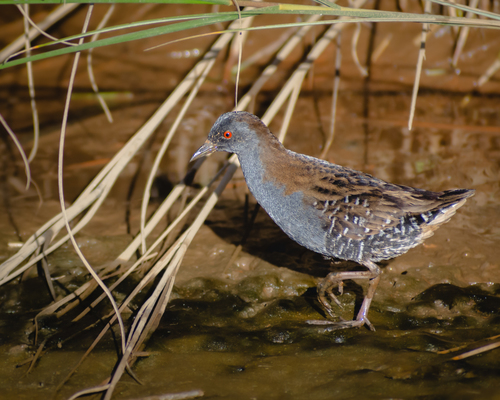


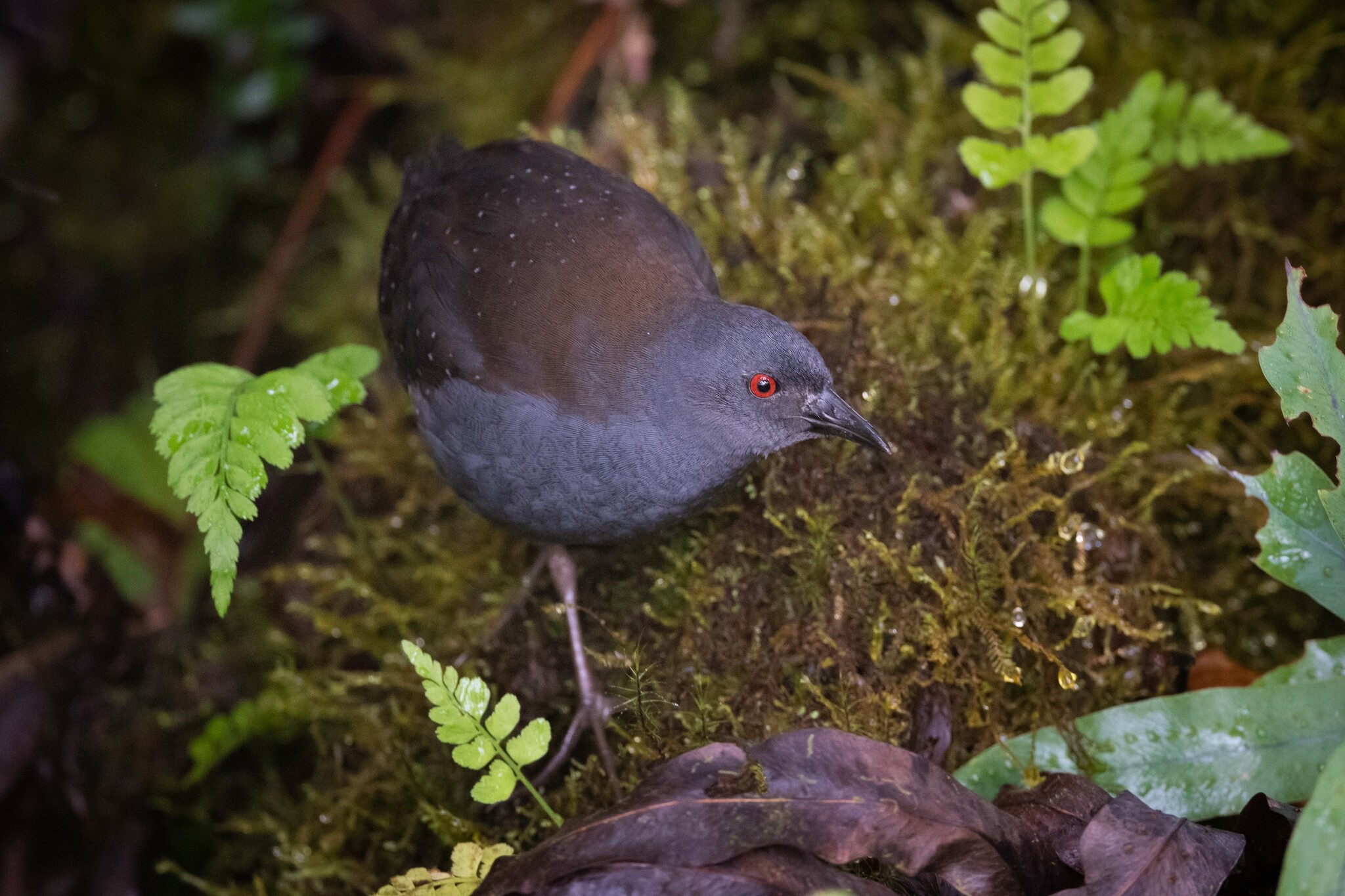
Frequently asked questions
Why is COCR classified as Critically Endangered?
Where does COCR live?
What are the main threats to COCR?
Get weekly conservation intelligence
One short digest a week of the most striking species and country data we ship, plus breaking conservation news paired with our database where it matters.
Free, no spam. One-click unsubscribe in every email.