Miconia rangeliana
Overview
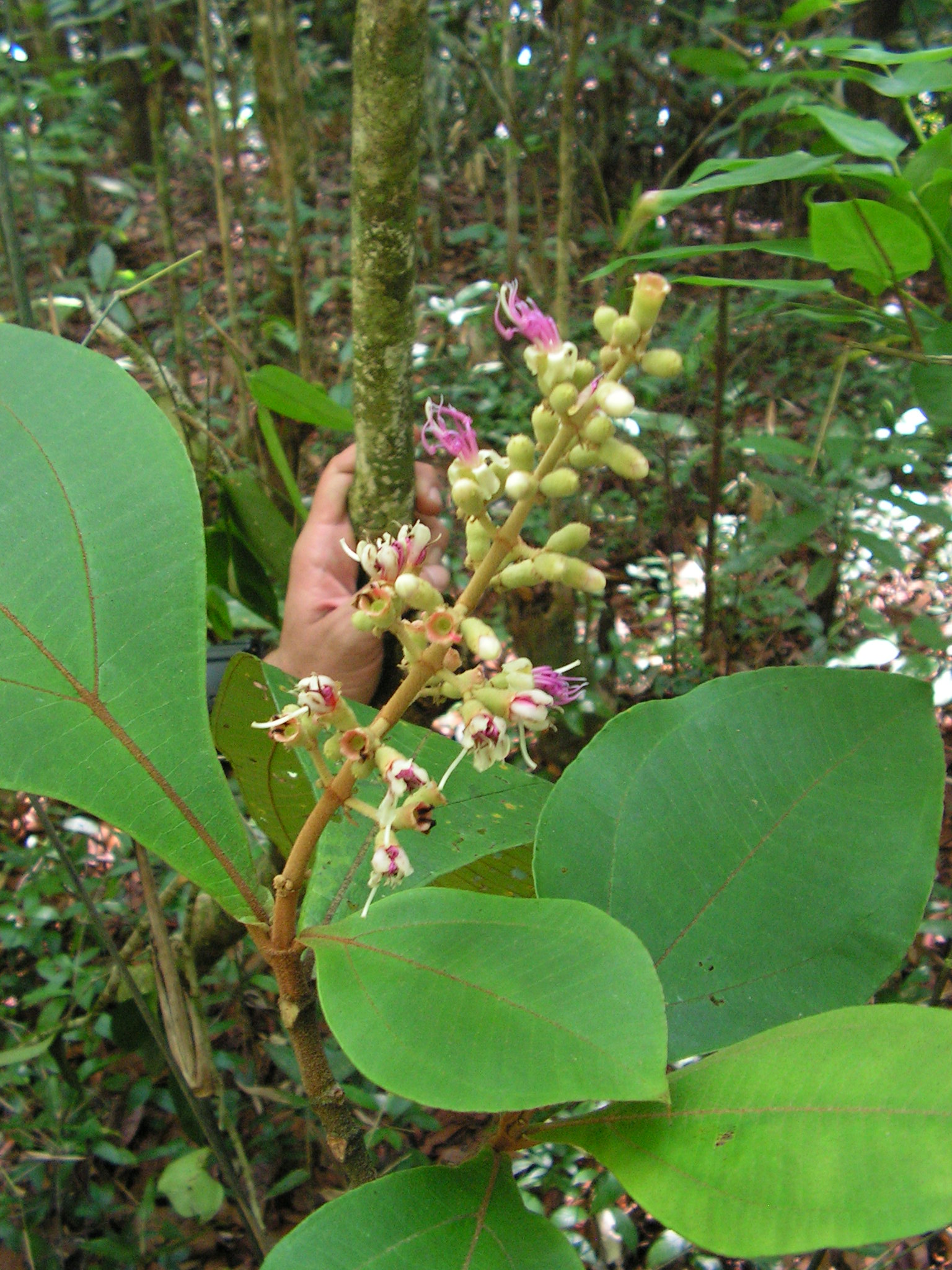
Cordobancillo de rangel (Miconia rangeliana) is an endemic shrub or small tree species belonging to the melastome family, characterized by distinctive opposite leaves with prominent parallel veins typical of Miconia species. This plant produces small clustered flowers and berry-like fruits that serve as an important food source for birds and other wildlife in its native Colombian cloud forest ecosystems.
Miconia rangeliana faces severe threats from ongoing deforestation and habitat fragmentation in Colombia's montane cloud forests. Agricultural expansion, particularly cattle ranching and crop cultivation, continues to reduce and isolate remaining forest patches where this endemic species occurs.
Habitat
Miconia rangeliana inhabits the humid cloud forests and montane rainforests of Colombia's Cordillera Oriental, typically occurring at elevations between 1,800-2,800 meters. These misty, high-altitude forests are characterized by persistent cloud cover, high humidity, and rich organic soils with abundant epiphytic vegetation.
Other threatened species in Melastomataceae
Frequently asked questions
Why is Miconia rangeliana classified as Endangered?
Where does Miconia rangeliana live?
What are the main threats to Miconia rangeliana?
Get weekly conservation intelligence
One short digest a week of the most striking species and country data we ship, plus breaking conservation news paired with our database where it matters.
Free, no spam. One-click unsubscribe in every email.