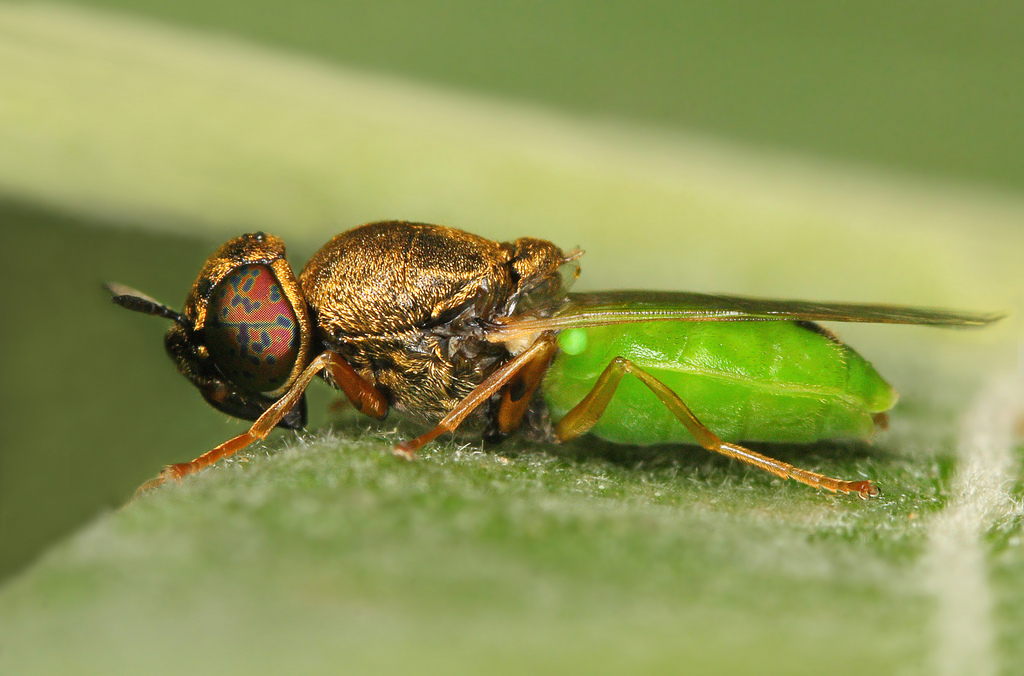
Common Green Colonel
Oplodontha viridula
Photo: Wikimedia Commons (CC) via https://en.wikipedia.org/wiki/Oplodontha_viridula
Overview
Oplodontha viridula, the common green colonel, is a European species of soldier fly.
The Common Green Colonel faces significant pressure from habitat loss due to deforestation and agricultural expansion across its range. Climate change is altering the distribution and abundance of its preferred host plants, while increased pesticide use in agricultural areas reduces prey availability and may cause direct mortality.
Habitat
This species inhabits open woodlands, forest edges, grasslands, and agricultural areas with scattered trees, typically in lowland and hill country up to 1000m elevation. It requires areas with abundant flowering plants and is often found in mixed habitats that include both native vegetation and modified landscapes.
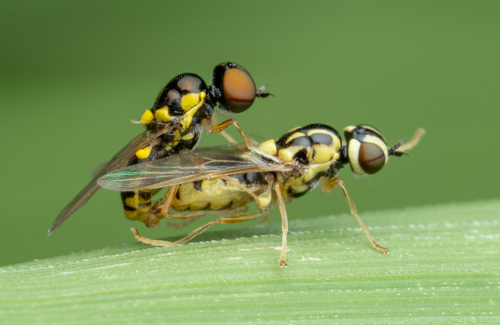
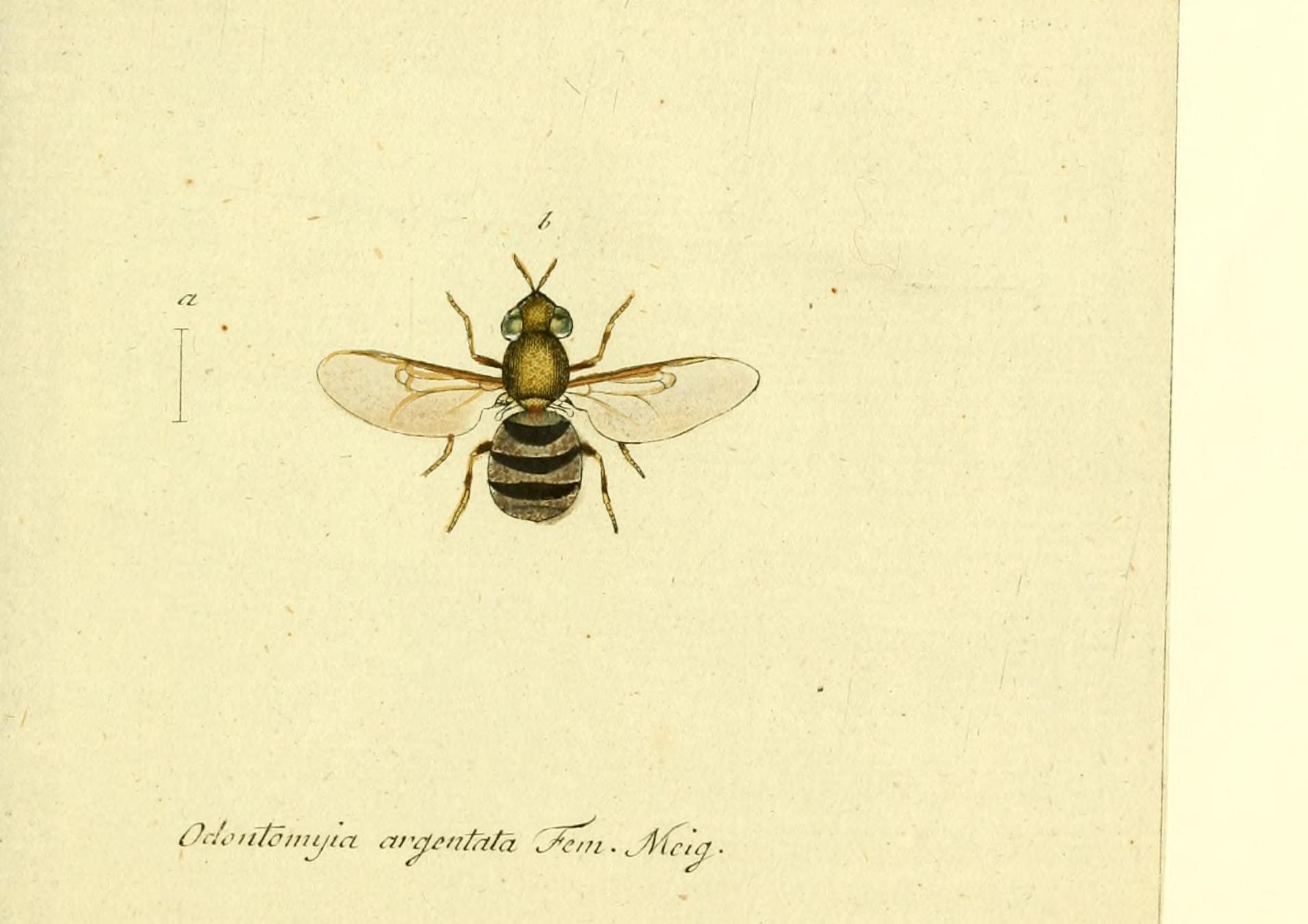
Other threatened species in Stratiomyidae

Threatened in Åland Islands


Frequently asked questions
Why is Common Green Colonel classified as Vulnerable?
Where does Common Green Colonel live?
What are the main threats to Common Green Colonel?
Get weekly conservation intelligence
One short digest a week of the most striking species and country data we ship, plus breaking conservation news paired with our database where it matters.
Free, no spam. One-click unsubscribe in every email.